Best Time To Visit The Galapagos: Month By Month
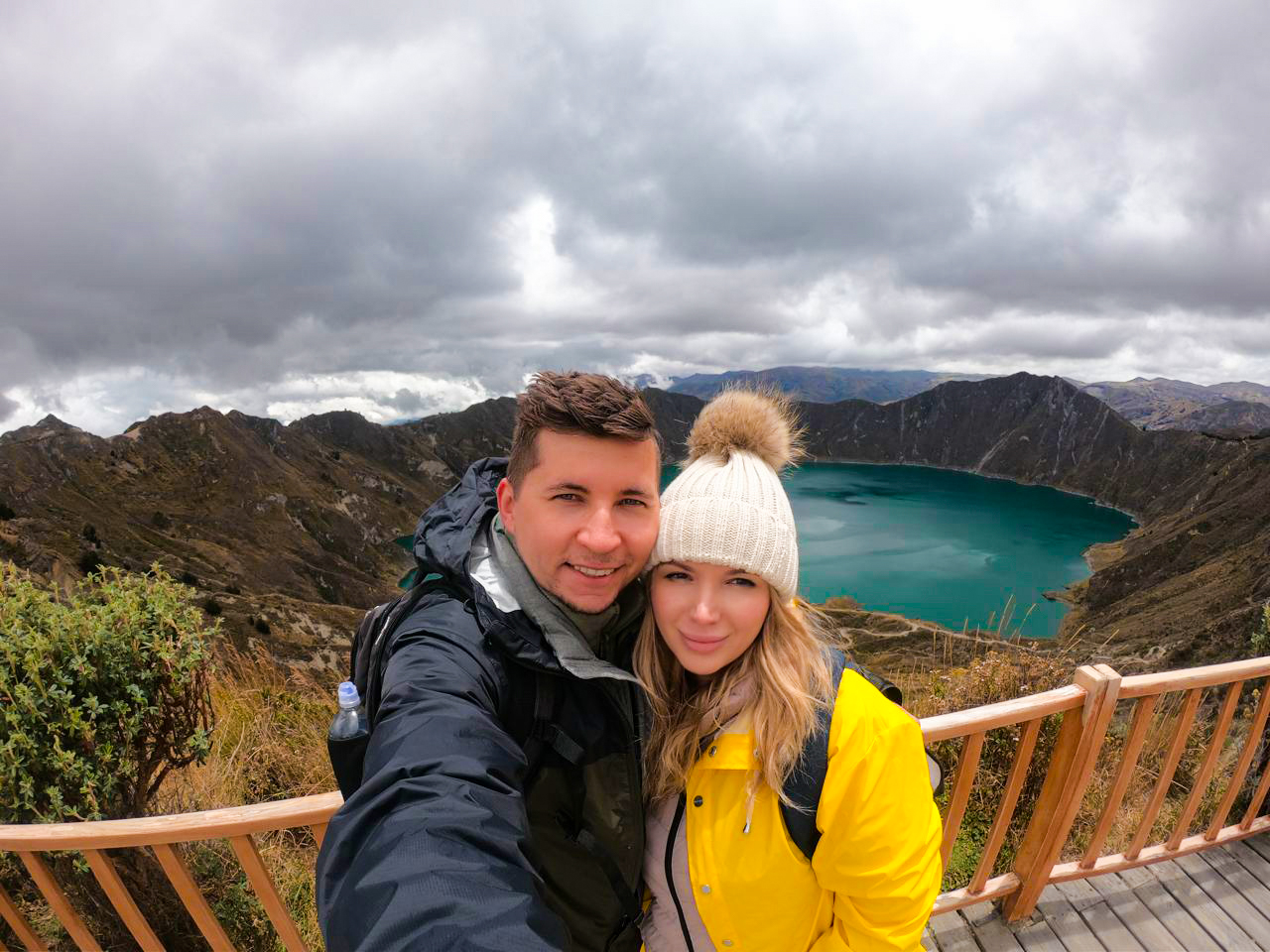
The Galapagos has two seasons, not four: warm and sunny from December to May, cool and misty from June to November. We went in September, the quietest month of the visitor year, and the month table below lines up weather, sea temperature, sea conditions and crowds so you can pick your own.
What Is The Best Time To Visit The Galapagos?
There is no bad month, only a trade-off. From December to May the seas are warm and calm. From June to November the islands are cooler and rougher, and quietest in September. Wildlife viewing is good all year, with different highlights each month, so the calendar matters more than the season.
The warm season, roughly December to May, brings the calmest and warmest seas, and the Galapagos Conservation Trust says January to April has reduced winds and much warmer sea currents. Waves tend to be choppiest from June to September, with August and September the roughest according to a dive operator.
Crowds and prices shift too. The park directorate's 2025 visitor report identifies demand peaks from March to April for foreign visitors and July to August for domestic visitors, with September as the valley of the year. Tour operators list the lowest cruise and hotel prices in May, September and October, peaking in July and August and from mid-December to early January. My wife and I loved how peaceful the islands felt, letting us soak in the unique atmosphere without the usual crowds.
More on this: Galapagos climate and weather
Galapagos Weather By Month
Daytime highs on San Cristóbal range from 25.6 °C in August to 30.5 °C in March, with the wettest month February at 107 mm and the driest September at 7.6 mm. Sea temperature at Puerto Ayora runs from 23.3 °C in October to 27.2 °C in March.
| Month | Air (high / low) | Sea | Rain | Sea state | Crowds |
|---|---|---|---|---|---|
| January | 29.2 / 22.9 °C | 25.3 °C | 83.4 mm | Calm | Holiday peak |
| February | 30.3 / 23.1 °C | 26.4 °C | 107.4 mm | Calm | Between peaks |
| March | 30.5 / 22.9 °C | 27.2 °C | 106.3 mm | Calm | Busy |
| April | 30.2 / 22.8 °C | 26.4 °C | 94.9 mm | Calm | Busy |
| May | 29.2 / 22.7 °C | 25.5 °C | 41.9 mm | Calm | Between peaks |
| June | 27.6 / 21.7 °C | 24.6 °C | 32.5 mm | Choppiest | Between peaks |
| July | 26.4 / 20.7 °C | 23.5 °C | 18.8 mm | Choppiest | Busy |
| August | 25.6 / 19.8 °C | 23.7 °C | 9.8 mm | Choppiest | Busy |
| September | 25.7 / 19.8 °C | 23.4 °C | 7.6 mm | Choppiest | Quietest |
| October | 26 / 20 °C | 23.3 °C | 11 mm | Cool season, choppier | Quietest |
| November | 27 / 20.9 °C | 23.8 °C | 12.6 mm | Cool season, choppier | Between peaks |
| December | 27.8 / 21.7 °C | 24.6 °C | 51.5 mm | Calm | Holiday peak |
Air and rain: Puerto Baquerizo Moreno station (INAMHI), 1981 to 2010. Sea: Puerto Ayora satellite averages (seatemperature.org). Sea state: Galapagos Conservation Trust and operators. Crowds: park directorate 2025 visitor report and 2024 tourism chamber figures.
The air and rain figures come from the Puerto Baquerizo Moreno weather station on San Cristóbal, using 1981 to 2010 normals. Sea temperature is based on Puerto Ayora satellite averages. Sea state and crowd figures come from the Galapagos Conservation Trust, operators, and the park directorate's 2025 visitor report. If you want finer detail, each month name links to a dedicated post for that month.
Warm Season Vs Cool Season: What Changes?
From December to May the sea is warmer and calmer, with more sun and occasional heavy showers. From June to November the sea drops to 23.3 to 24.6 °C, drizzle and clouds are frequent, and waves get choppier, roughest from June to September.
| Warm season | Cool season | |
|---|---|---|
| Months | December to May | June to November |
| Air, daytime high | 27.8 to 30.5 °C | 25.6 to 27.6 °C |
| Air, night low | 21.7 to 23.1 °C | 19.8 to 21.7 °C |
| Sea temperature | 24.6 to 27.2 °C | 23.3 to 24.6 °C |
| Rain per month | 42 to 107 mm | 8 to 32 mm |
| Sea state | Calmest and warmest water | Choppier water, roughest from June to September |
| Sky | More sun, with occasional heavy showers | Frequent drizzle (garúa) and cloudy days |
| Prices and crowds | Busy in March and April and over the Christmas holidays | Quietest in September and October; busy in July and August |
Air and rain: Puerto Baquerizo Moreno station, 1981 to 2010. Sea: Puerto Ayora, satellite averages.
In practice, the cool season water sits between 23.3 and 24.6 °C, and wetsuits can be rented before boat trips. My wife and I brought our own wetsuits just in case the water felt too chilly, and that helped us stay comfortable. For the season dates, the park directorate's manual draws the warm season at January to May and the garúa season at June to December.
What We Found In September
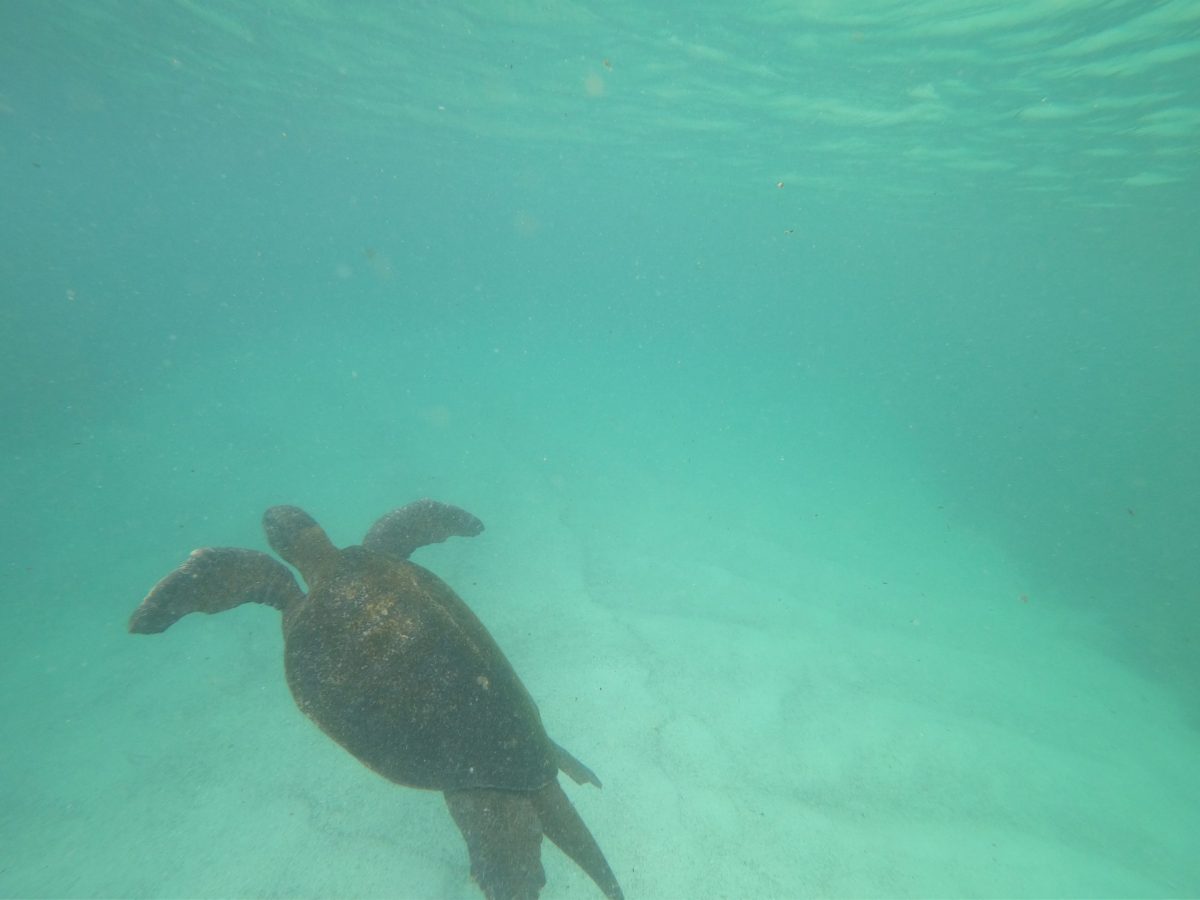
September is the valley of the visitor year, according to the park directorate's 2025 report. We found the islands peaceful, snorkeled with penguins around Bartolome Island and watched sea lions on Isabela and San Cristobal. Humpback whales pass in the cooler months, and sea lion births begin in August.
The park directorate's 2025 visitor report identifies two demand peaks, March to April for foreign visitors and July to August for domestic visitors, and calls September the valley of the year. When we visited in September, we were amazed by the number of last-minute cruises available at reasonable prices for next-day departures, so you can check those if your dates are flexible.
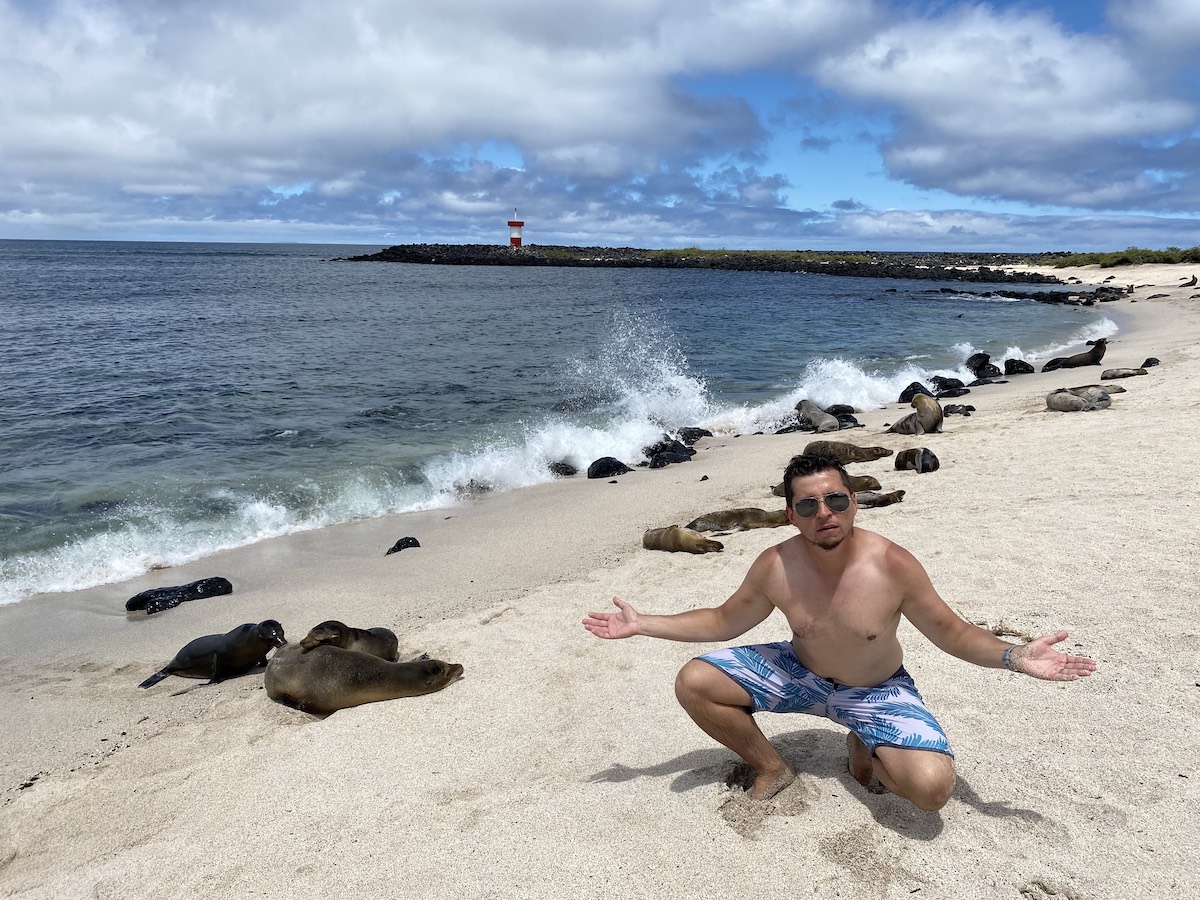
The wildlife does not pause in the low season. Galapagos penguins live in the islands all year, and September is when they are most active at Bartolomé, with courtship displays. We snorkeled with penguins around Bartolome Island, spotted more on a Los Tuneles tour and at Concha Perla on Isabela Island, and afterward hiked up to Pinnacle Rock for views of the sea. Migrating humpbacks pass from June and are most commonly seen in the cooler months, September included. Sea lions begin giving birth in August, and we watched them lounging on sidewalks and occupying stretches of beach on Isabela and San Cristobal Islands.
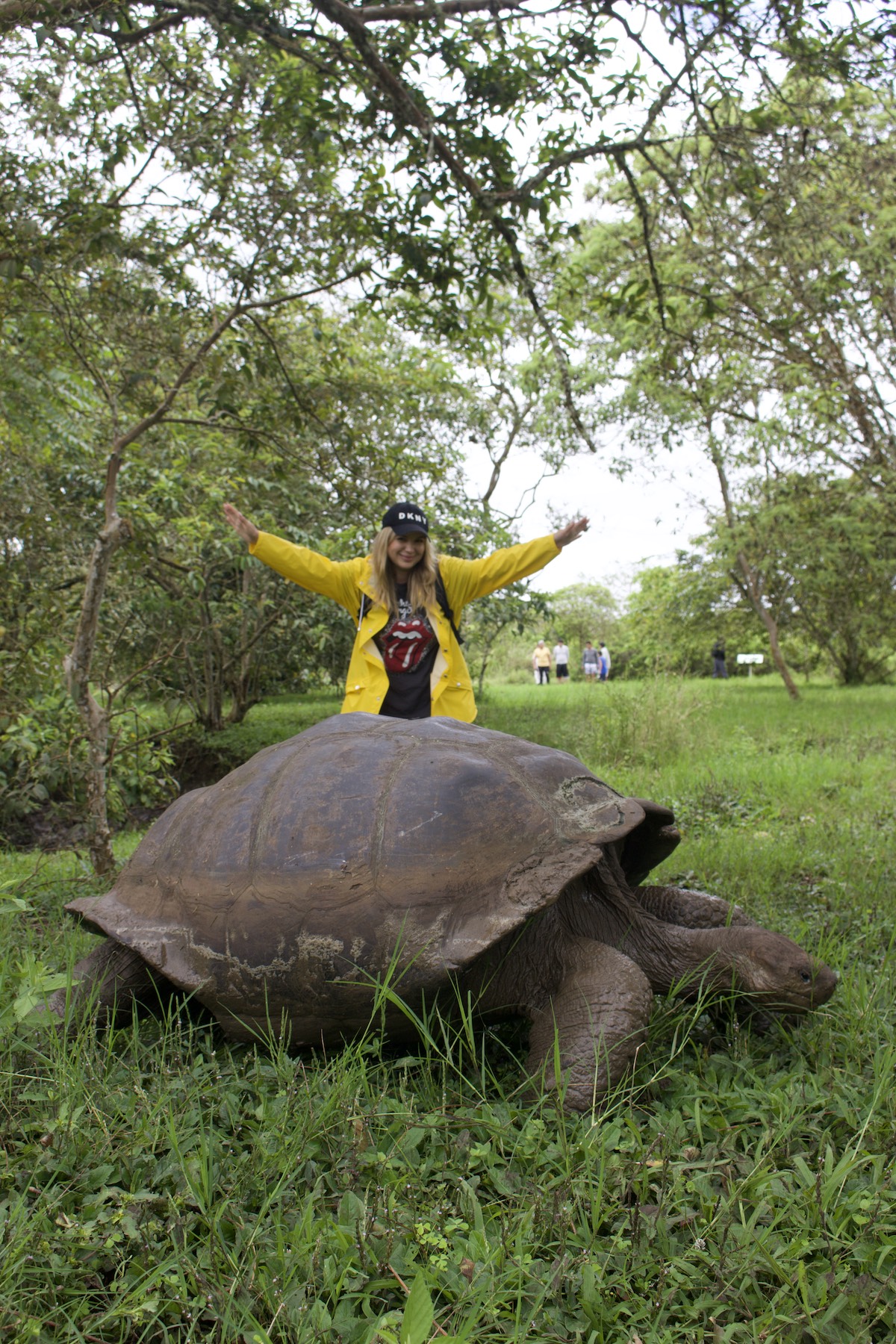
Bring a wetsuit, since the water can feel chilly. Reapply sunscreen regularly too. And on Santa Cruz, we watched giant tortoises making their slow journey back from the shore to the mountains.
More on this: Galapagos in September
When Is The Galapagos Cheapest And Least Crowded?
September and October are the quietest months, and with May they bring the lowest cruise and hotel prices of the year. The park entrance fee is the same in every month. The Galapagos received 290,404 visitors in 2025. Last-minute cruise deals exist, and on-island offers were much deeper.
The park directorate's 2025 report puts the valley of the year in September, with demand peaks in March to April and July to August. Operators list May, September and October as the months with the lowest prices. The entrance fee of USD 200 for foreign adults aged 12 and over, and USD 100 for younger children, applies all year, paid in cash on arrival at Baltra or San Cristobal airport.
Operators say last-minute cruise discounts typically run 10 to 40 percent off, usually 30 to 90 days before departure. The offers shown to us on the islands were much deeper: we were surprised by how many options were available at discounts as high as 75 percent off the original price. Our cruise vs land guide goes through them.
More on this: Galapagos Cruise Vs Land-Based Trip: We Did Both · Is the Galapagos expensive? Our costs
Which Animals Can You See Each Month?
Something happens in the wildlife calendar every month of the year. Green sea turtles nest from January to May, marine iguanas mate from January, flamingos nest from February, blue-footed boobies dance from May, sea lion pups arrive in August, and penguins are most active in September. Match each species to its island.
| Animal | When | Where or note |
|---|---|---|
| Green sea turtle nesting | January to May | Park directorate; eggs start hatching in April |
| Giant tortoise hatchlings | December to April | Hatching starts in December and ends in April |
| Marine iguana mating and nesting | January to May | Mating from January; nesting in February and March; incubation until May |
| Waved albatross | March to January | Breeding on Española (Charles Darwin Foundation); operators place the birds on the island from about April to December |
| Magnificent frigatebird courtship | From February | Starts on North Seymour; great frigatebirds are in full display on Genovesa in June |
| Flamingo nesting | From February | Floreana |
| Blue-footed booby courtship | From May | Dances begin on North Seymour |
| Humpback whales | June to September | Migrating past the islands; most common in the cooler months, including September |
| Sea lion pups | August to October | Births begin in August; pups swim with snorkelers by October |
| Galapagos penguins | All year | Most active in September at Bartolomé, with courtship displays |
A wildlife range only applies where the species actually lives, so check the island as well as the month. Waved albatross breed on Española, frigatebirds court on North Seymour and Genovesa, flamingos nest on Floreana, and penguins gather at Bartolomé. Green sea turtle eggs start hatching in April, giant tortoise hatchlings appear from December to April, and humpback whales pass from June.
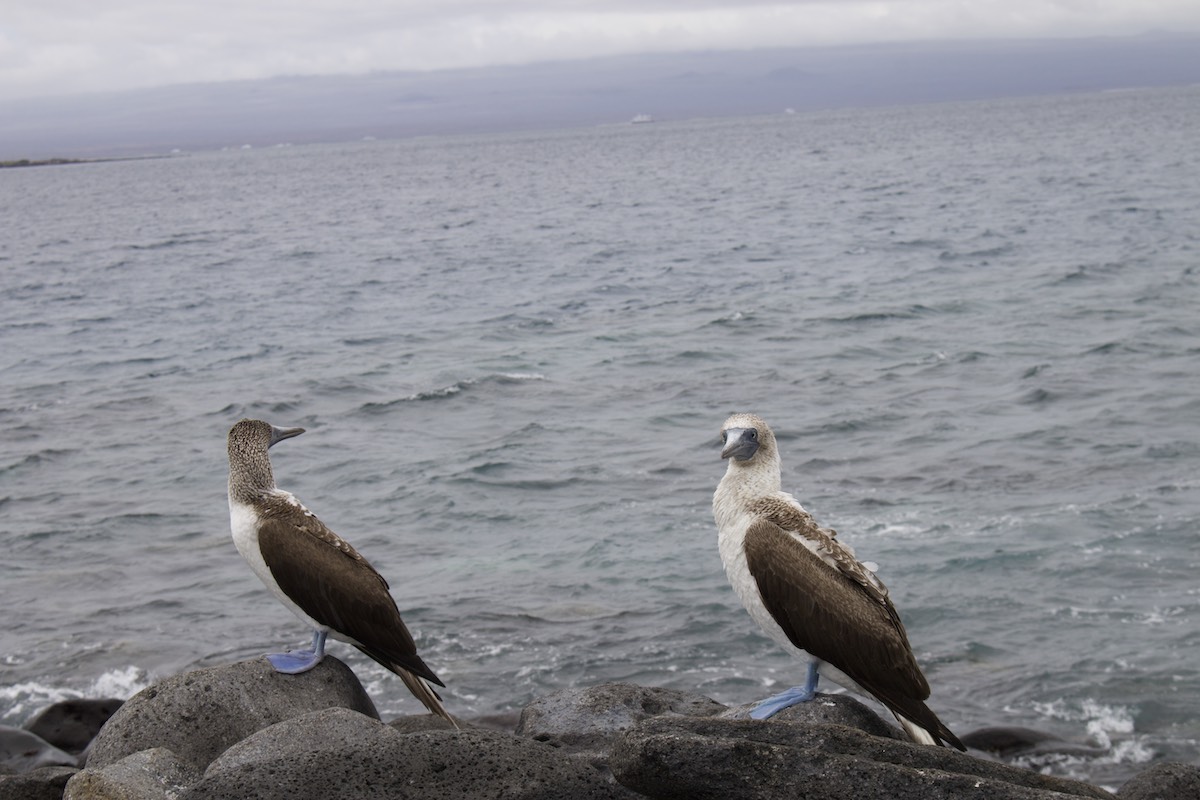
More on this: Birds of the Galapagos
FAQ
When is the rainy season in the Galapagos?
There are two seasons. The warm, wetter season runs roughly from December to May, and the cool, drier garúa season from June to November. The park directorate's manual puts the warm season at January to May and the garúa season at June to December. Rain at Puerto Baquerizo Moreno peaks in February and March.
What is the best month for snorkeling in the Galapagos?
December to May. The sea is calmest and warmest in the warm season, and the Galapagos Conservation Trust says January to April has reduced winds and much warmer sea currents. At Puerto Ayora the average sea surface temperature reaches 27.2 °C in March, against 23.3 °C in October.
When is the sea roughest in the Galapagos?
Between June and September, waves tend to be choppiest. According to a dive operator, August and September are the roughest months. If you want calmer water for boat trips or snorkeling, the warm season from December to May is the window with the calmest sea conditions.
What is the cheapest month to visit the Galapagos?
May, September and October, according to Galapagos tour operators, when cruise and hotel prices are lowest. Prices peak in July and August and from mid-December to early January. The park directorate's 2025 report also identifies a March to April peak for foreign visitors and a July to August peak for domestic visitors.
Is September a good month for the Galapagos?
Yes. Penguins live in the islands all year, and in September they are at their most active at Bartolomé, with courtship displays. The park directorate's 2025 report calls September the valley of the year. My wife and I loved how peaceful the islands felt, letting us soak in the unique atmosphere without the usual crowds.
Do I need a wetsuit in the Galapagos?
From June to November the sea is 23.3 to 24.6 °C, so a wetsuit is a reasonable precaution, and you can rent one before boat trips. My wife and I made sure to bring our own wetsuits, just in case the water felt too chilly, and it definitely helped us stay comfortable.
When can you see waved albatross in the Galapagos?
Waved albatross breed on Española from March to January, according to the Charles Darwin Foundation species database. Operators describe their presence on the island as roughly April to December. If you want the best odds of seeing them, plan a visit to Española inside that April to December window that the operators describe.