Top Things To Do in Manta, Ecuador
Quick Facts About Manta
| Altitude | 15 m |
|---|---|
| Best months | May to December (least rain) |
| From Quito | Bus 7 to 8.5 hours, USD 13.80; Flight 50 to 55 min |
| From Guayaquil | Bus about 3.5 hours, USD 7.19 |
| Safety | The US State Department lists Manabí province, which includes Manta, at Level 3, reconsider travel, and the UK FCDO advises against all but essential travel to the province. |
Our Take On Manta
Manta gave us a real, grounded slice of Ecuadorian coastal life rather than a resort paradise. Its beaches were the highlight, from quiet San Mateo to the cliff views at San Lorenzo and the fishermen arriving at Playa de Tarqui. Staying a week felt like just scratching the surface, though the town has fewer standout attractions than other places in Ecuador. I would rate it 5 out of 10: pleasant for a laid-back stay, but not a must-visit.
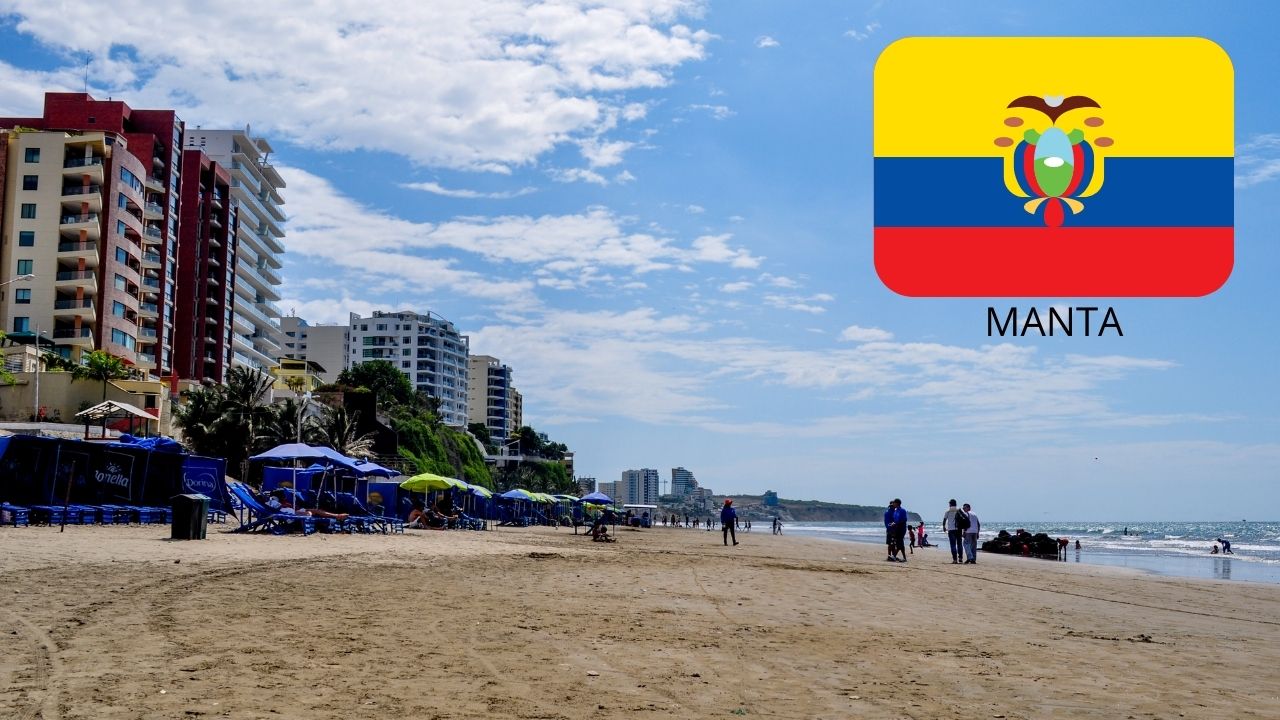
Manta, nestled on Ecuador’s central Pacific coast, made quite an impression on us during our days there. The city is a vibrant mix of sandy beaches, a thriving fishing industry, and the kind of easy-going charm that draws in visitors each summer. From firsthand experience, I can say it’s a place where coastal allure meets a buzzing commercial vibe.
But let me be clear—don’t expect a coastal paradise with luxurious hotels and all-inclusive resorts like those in Mexico or the Dominican Republic! Manta is not that picture-perfect paradise on earth, but that’s exactly what makes it special. Manta showcases a different, more authentic side of Ecuador. The place feels so real and grounded, and that’s what I love most about traveling here—experiencing the genuine culture and everyday life, not just the postcard-perfect spots.
Historically, Manta was known for exporting Monthecristi Panama hats, a craft that Ecuador is famous for. Today, the city has broadened its reach to export coffee, cacao, textiles, and, notably, fish, with a booming tuna industry thanks to the city’s tuna cannery. Resorts and tourism have since flourished along Manta’s shores, making it a favorite for water sports enthusiasts—surfing, kitesurfing, and fishing are all top draws.
In fact, Manta’s calm yet captivating coastal feel has led not only to an influx of tourists but also to a growing community of ex-pats and retirees who are charmed by its laid-back coastal lifestyle and the promise of year-round warmth.
It was one of the cities we passed by during our 15-day self-drive trip to Ecuador Mainland.
What To Do In Manta, Ecuador?
Manta's beaches are the main draw. San Mateo is quieter with a fishing village nearby, Santa Marianita has kitesurfing, sunset views and food along the shore, San Lorenzo offers a short cliff hike with panoramic views, and at Playa de Tarqui you can watch fishermen bring in their morning catch.
What Visitors Need To Know In October 2026
- Events: The Manta International Theatre Festival runs from 1 to 3 October 2026.
- Events: A symposium on the Manteño Balsa culture, "500 years since the encounter", takes place at the ULEAM auditorium on 6 and 7 October 2026.
- Transport: From 1 August 2026, bus fares are 25% higher: Quito to Manta now costs USD 13.80 and Guayaquil to Manta USD 7.19 one way.
- Safety: Manta sits in Manabí province, which the US State Department lists at Level 3 and the UK FCDO treats as advise against all but essential travel (UK update 16 September 2026).
| Place | Entry (foreign adult) | Time needed | Best for |
|---|---|---|---|
| Malecón Escénico | Free | 1 to 3 hours | easy seaside walking |
| Museo Arqueológico (Centro Cultural Manta) | Free | 1.5 to 2 hours | a short cultural visit |
| Playa San Mateo | Free | 1 to 2 hours | quiet beach days away from crowds |
| Playa Murciélago | Free | 1 to 2.5 hours | beach time near the city center |
Due to Manta’s geographical location, water sports and activities are pretty popular here. Here are some of the places and fun things you should not miss when you are in Manta, Ecuador:
Visit Beaches
Being right on the Pacific Coast, Manta offers an array of stunning beaches that become lively hubs during the holiday season. We had the pleasure of visiting some of the most popular spots, including San Mateo, Playa Santa Marianita, Playa San Lorenzo, and Playa de Tarqui. Each beach has its own vibe—some are perfect for water sports, while others are ideal for relaxing and taking in the coastal scenery. Whether you’re after an active beach day or just want to unwind by the waves, Manta’s beaches have something for everyone.
San Mateo Beach
San Mateo Beach was one of our favorite spots in Manta. Its quieter, laid-back vibe made it feel like a hidden gem compared to some of the busier beaches. Nestled away from the main hustle, this beach has a small fishing village nearby, adding to its charm and giving a glimpse into local life. The seclusion made it the perfect spot to relax and enjoy the ocean without the usual crowds.
Playa Santa Marianita
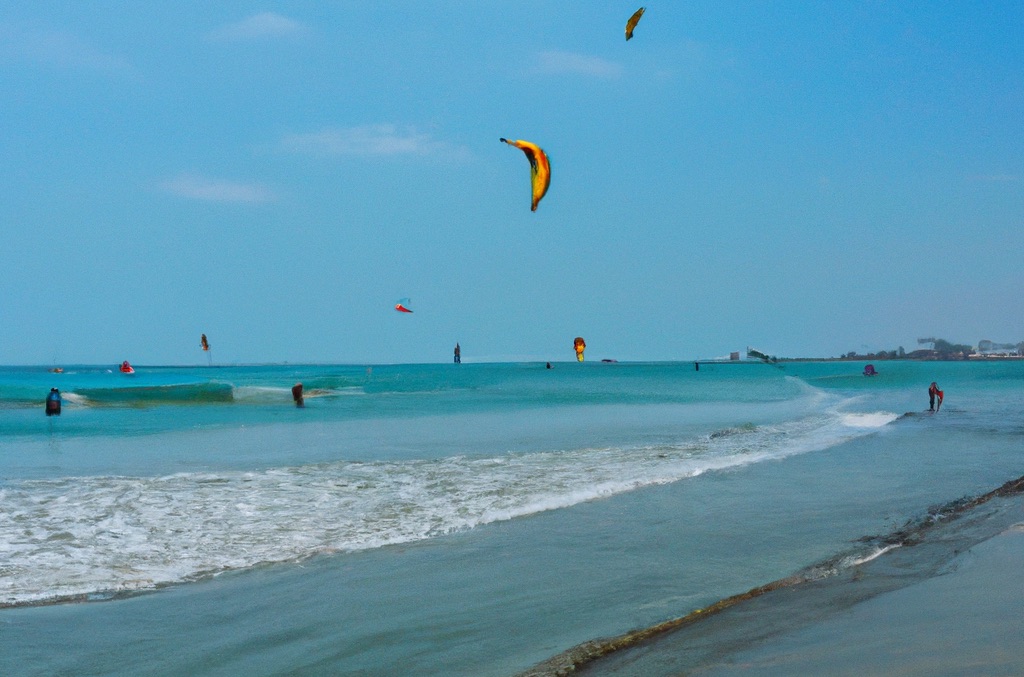
Playa Santa Marianita quickly became one of our go-to spots in Manta. This beach truly has it all: incredible sunset views, amazing food options right along the shore, and a vibrant kitesurfing scene that adds a fun energy to the place. Watching the kitesurfers was thrilling, and even if you’re not into water sports, Santa Marianita is ideal for a laid-back day by the sea. The sunsets there are truly unforgettable – a perfect way to wind down after an active day.
Playa San Lorenzo
Playa San Lorenzo really stands out with its scenic cliffside views. We decided to take the short hike up the cliff, and it was completely worth it – the panoramic view of the beach and ocean below is just stunning. At the end of the beach, there’s this incredible rock formation that almost looks like it’s been sculpted by an artist. It’s a perfect spot for photos, and the whole place just feels like a hidden gem.
Playa de Tarqui
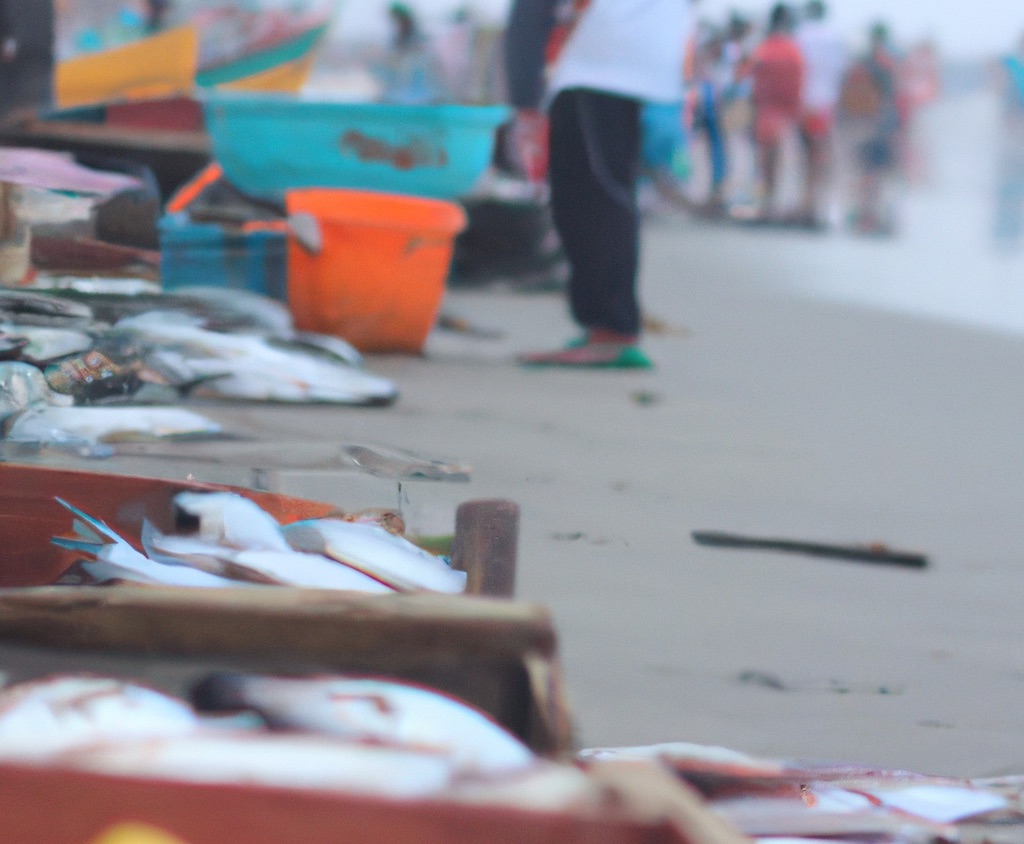
Playa de Tarqui was one of the highlights of our mornings in Manta. We got there early to watch the fishermen bring in their catch, and it was an experience like no other. The beach buzzes with activity as boats come ashore, and the freshest seafood is laid out right in front of the market. It’s fascinating to see the variety, and if you’re curious about the local seafood scene, this is the place to be. The energy is unbeatable, and it gives you a real sense of the local fishing culture in Manta.
Walk at Malecón Esenico
We enjoyed our stroll along Malecón Escenico, with its lively mix of shops and restaurants. The area has plenty of spots to browse for authentic Panama hats, and the local food options are hard to resist! The fishing fleet docked at the port added a unique touch to the scene, a reminder of Manta’s strong ties to the sea.
Locals told us that this spot also transforms during their annual carnival, becoming a vibrant stage for music, dance, and displays of local talent. I can only imagine the energy that fills the Malecón during the festivities—it’s definitely on our list for a return visit!
Kitesurfing
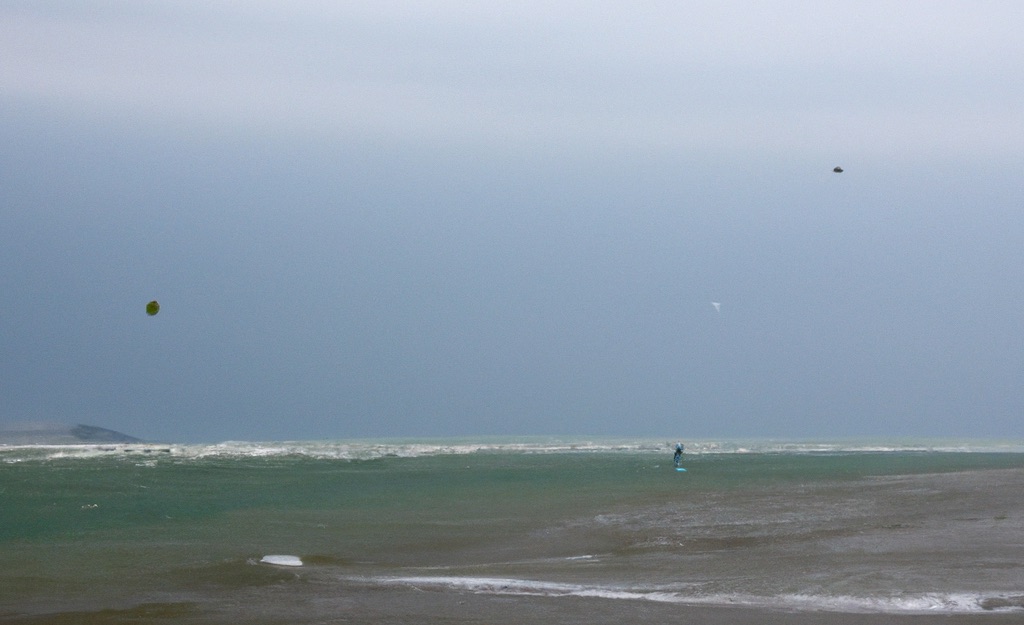
Kitesurfing at Playa Santa Marianita was one of the highlights of our time in Manta. Known as Ecuador’s kitesurfing capital, this beach has an atmosphere buzzing with energy, especially when there’s a competition or festival in town. I wasn’t a pro myself, so I took lessons with a certified instructor who made learning both safe and fun. For anyone new to kitesurfing, I highly recommend booking a lesson here—the instructors are skilled, and the beach’s steady wind makes it an ideal spot to practice.
Surfing
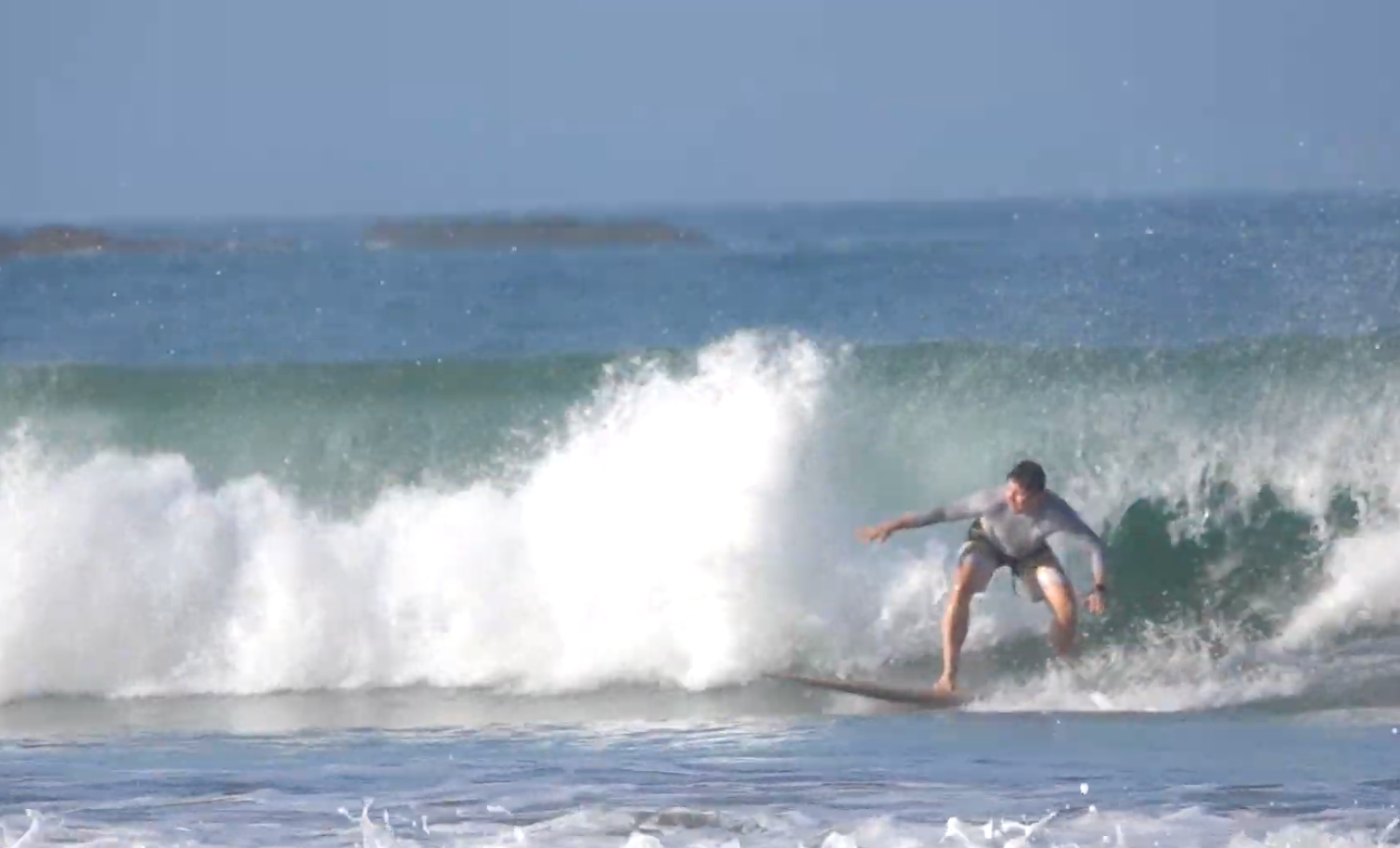
Surfing in Manta was a must-do, and San Mateo Beach was just the spot for it. Known for its laid-back vibe, the beach is perfect for catching waves, especially if you’re visiting between December and March when the swells are at their best. I took a beginner lesson, which made a big difference in getting comfortable on the board. The instructors were patient and made sure everyone enjoyed the experience, regardless of skill level. For anyone looking to ride their first wave or improve their skills, San Mateo Beach has a great setup!
Sportfishing with Local Yacht Clubs
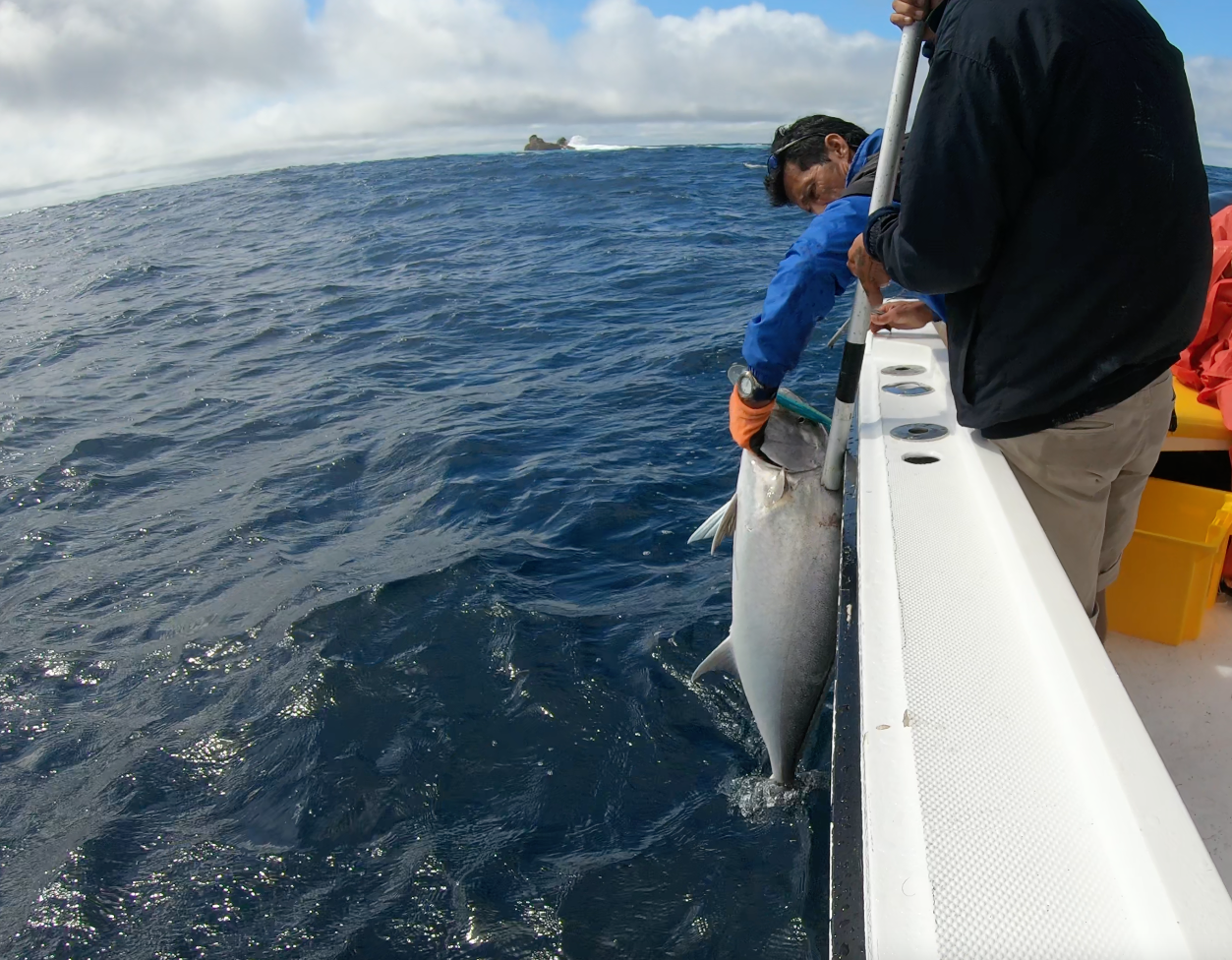
For fishing enthusiasts, Manta has some excellent options. We found that the Blue Marlin Fishing Charter really stood out among the local choices, offering a fully equipped fleet of Hotteram, Bertram, and Ocean yachts, perfect for sport fishing. They even have package deals that include accommodations and transfers, making it super convenient if fishing is your main goal here. The experience was truly something memorable, especially with such well-prepared charters and knowledgeable guides. For any fishing lover, this setup is a must-try and a unique way to experience the waters of Manta!
Museo Arquelogico del Banco Central
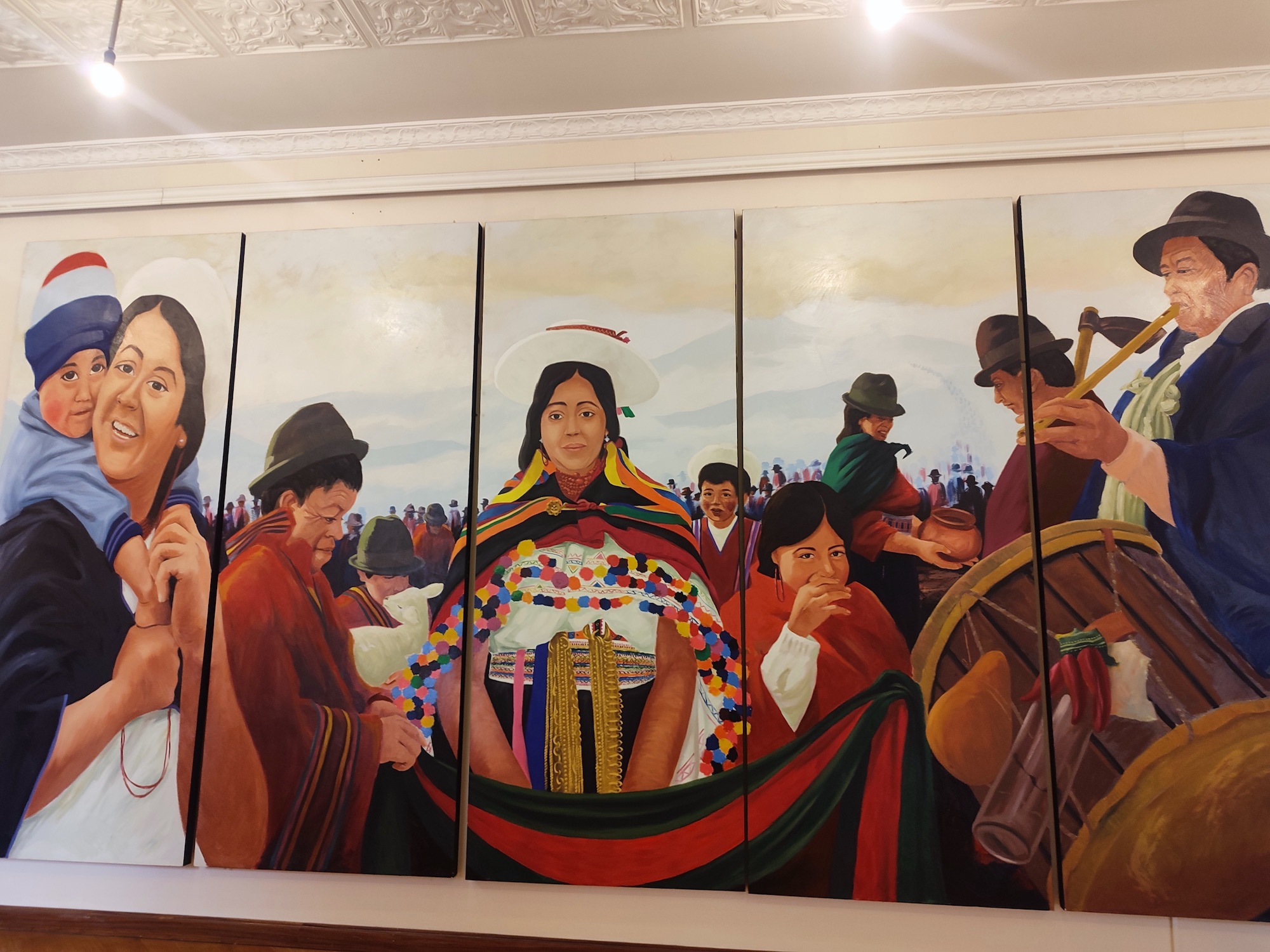
Ecuador’s deep history is visible throughout the country, and Manta is no exception. One place we found particularly fascinating was the Museo Arqueológico del Banco Central. This museum beautifully displays a collection of valuable artifacts, Ecuadorian paintings, and unique fishing equipment, all of which highlight Manta’s rich cultural heritage. Walking through the exhibits, we felt like we were stepping back in time, experiencing Manta’s ancient connection to the sea and its evolution over the years. For history lovers, it’s definitely worth a visit to get a deeper understanding of Ecuador’s past.
Travel to Montecristi to Manufactura de Sombreros de Paja Toquilla
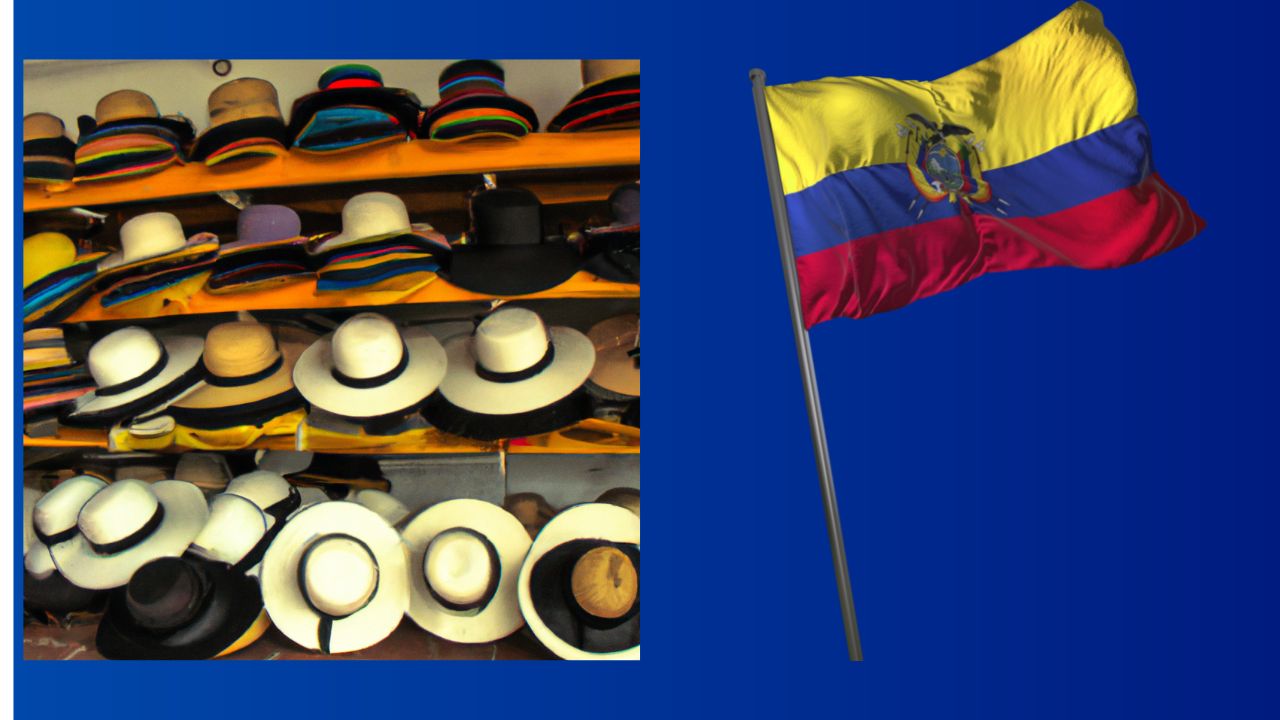
The sombreros de paja toquilla, or toquilla straw hats, famously known as Panama hats, are an Ecuadorian treasure. These hats are meticulously handwoven from fibers of the toquilla palm, a tree native to tropical regions like Ecuador. The small town of Montecristi is the heart of Panama hat craftsmanship, where you’ll find skilled artisans producing the finest hats available.
The quality of a Panama hat is judged by the weave’s fineness, categorized as fino, fino fino, and super fino. It can take several months to create a super fino hat, a level of artistry only achieved by master weavers.
Visit Machalilla National Park
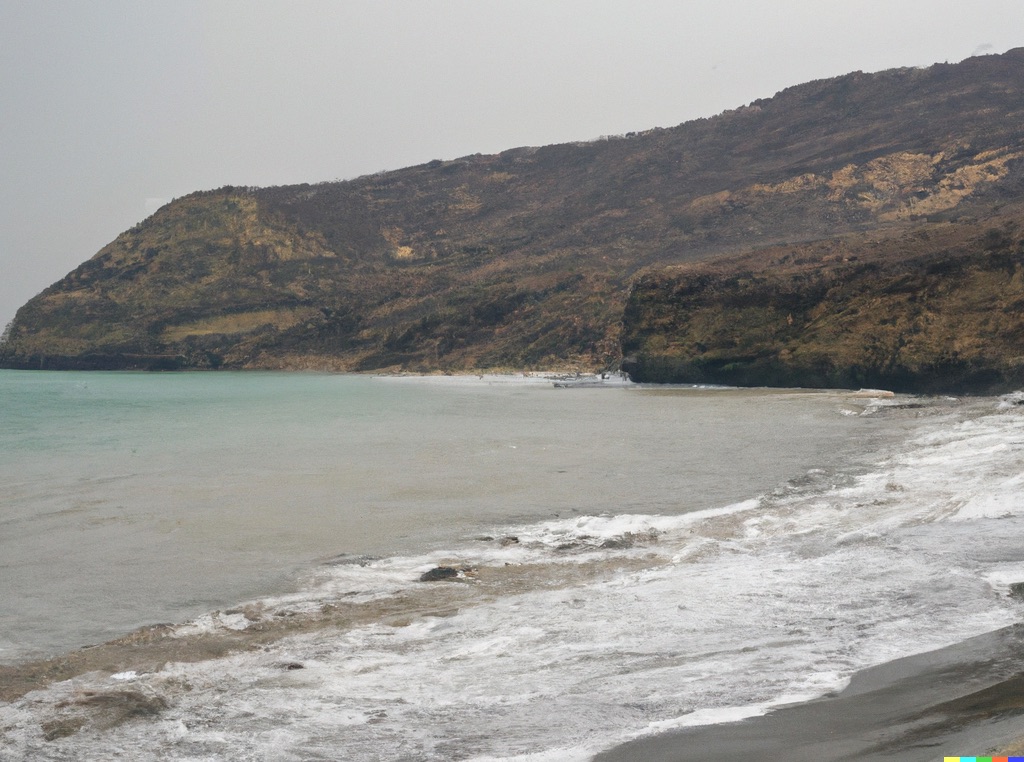
Machalilla National Park, created to protect Ecuador’s incredible wildlife habitats, is a gem for nature lovers and one of the country’s most stunning parks. The park features three main highlights: Los Frailes, Isla de Plata, and Agua Blanca. Each offers unique experiences, from pristine beaches to rich historical sites, showcasing the park’s natural beauty and biodiversity.
Los Frailes
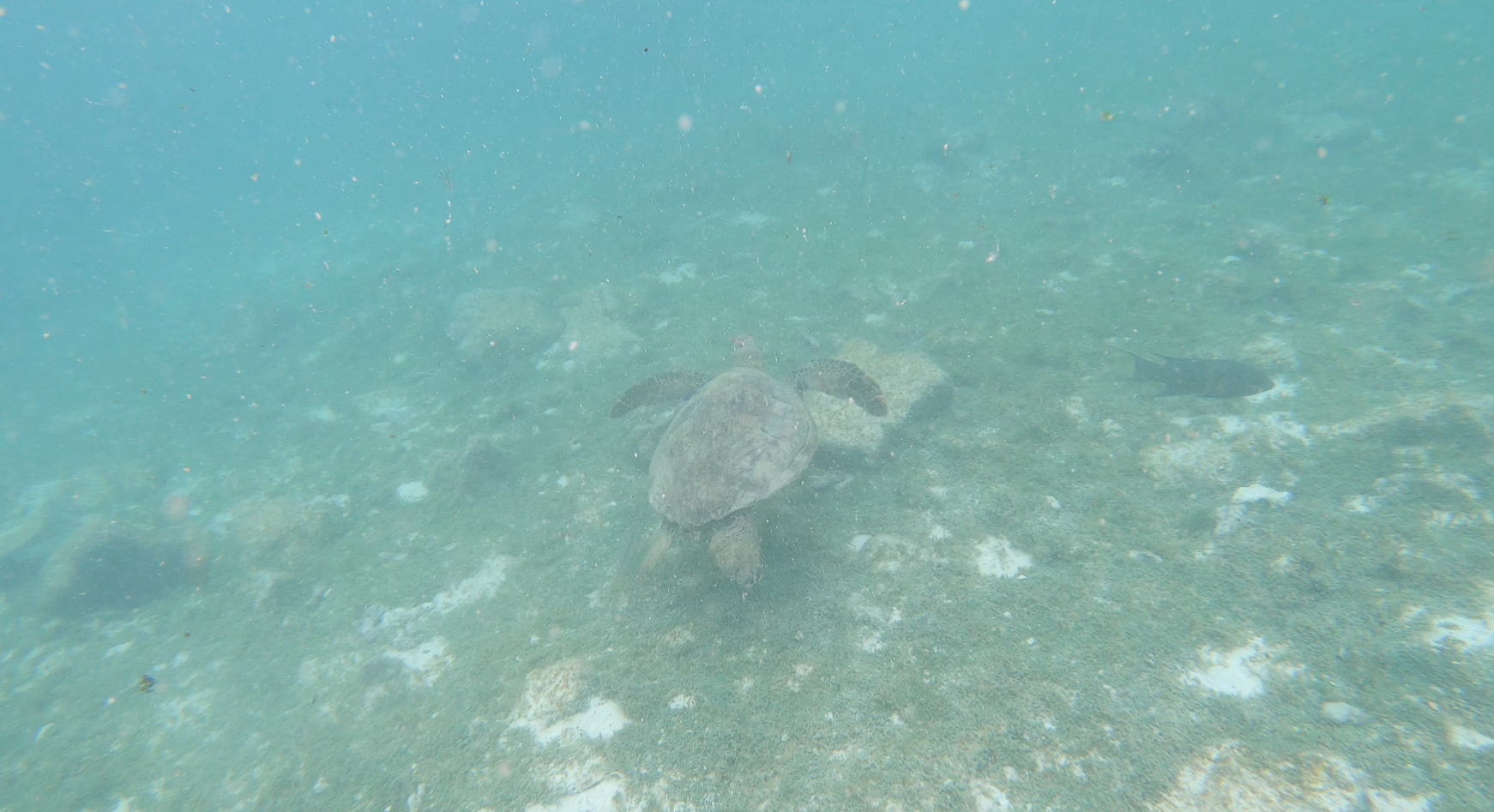
Los Frailes is an absolute gem within Machalilla National Park. This pristine beach feels like a slice of paradise, with its soft, fine sand, deep blue waters, and picturesque rolling hills. A large section of the beach is thoughtfully set aside as a protected area for nesting sea turtles, creating a perfect blend of relaxation and conservation. It’s a beautiful spot to soak up nature while respecting the local wildlife.
Isla de Plata
Isla de Plata is often called the “poor man’s Galapagos” because of its easy access and similar wildlife. It’s home to incredible species like Blue-footed, Red-footed, and Nazca Boobies, just like the Galapagos. We found it fascinating to see these iconic birds up close! For a complete experience, snorkeling or diving here is a must. The underwater world around Isla de Plata is vibrant, with a variety of fish, sea turtles, and colorful corals waiting to be explored.
Agua Blanca
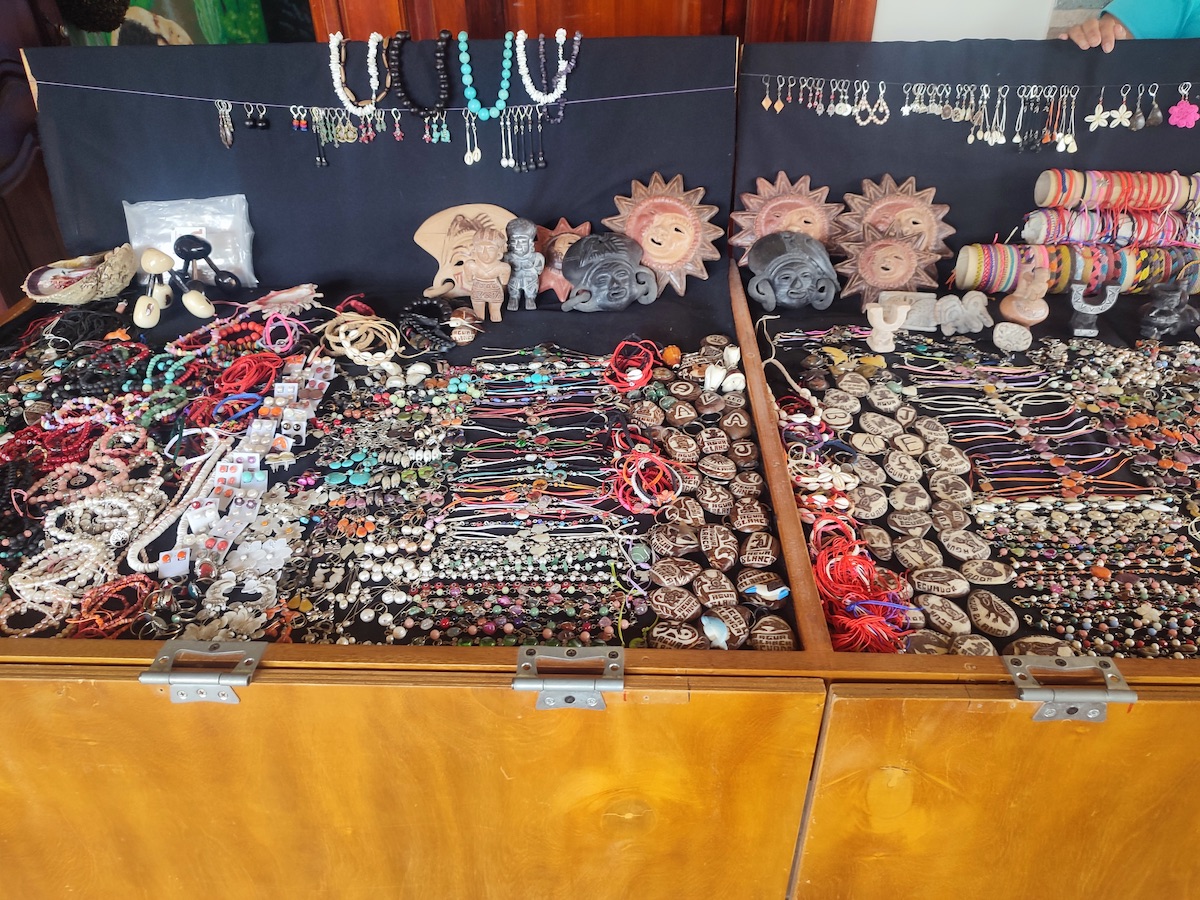
Agua Blanca is a hidden gem within Machalilla National Park, where we immersed ourselves in Ecuador’s rich heritage and history. The community offers a unique experience, showcasing an archaeological museum, a native forest, and local farmland. One of our favorite spots was the sulfur lagoon—a local favorite for a reason! The mineral-rich waters are perfect for a rejuvenating dip, and the serene setting makes it easy to lose track of time while taking it all in.
What To Eat In Manta, Ecuador?
Seafood defines Manta's kitchens. Ceviche, a cold fish soup with onions, peppers and parsley, is served with crispy plantains and found everywhere in the city. Encebollado, a warm soup made with albacore, onions and yucca, is a local breakfast favorite. Seco de Chivo, a slow-braised goat stew, is another traditional dish worth trying.
Fresh seafood is a must when coming to coastal towns like Manta but there are also non-seafood dishes worth trying. Here are some of our favorite grub finds in Manta:
Ceviche
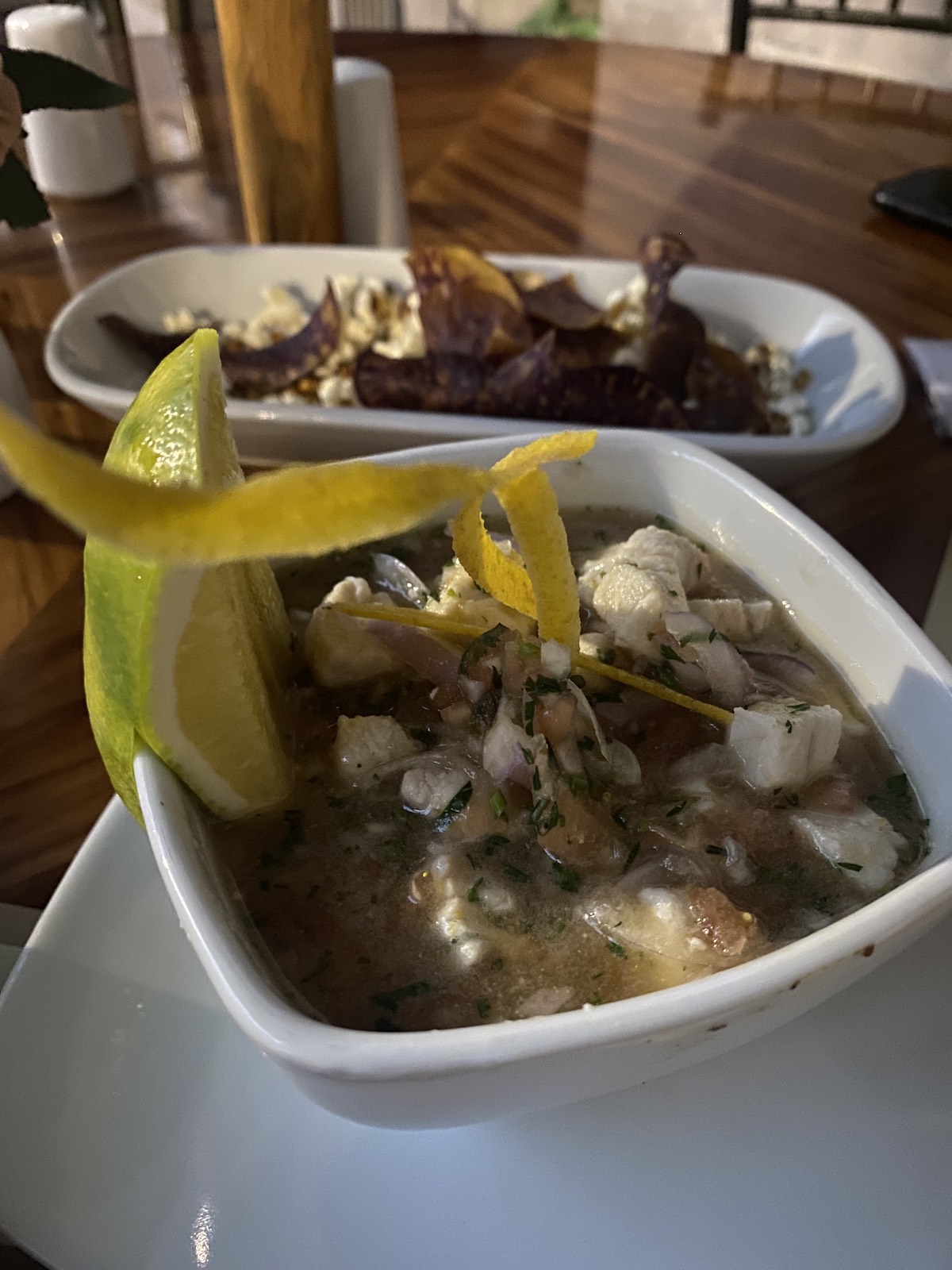
Ceviche is a must-try in Manta! This refreshing cold fish soup is a favorite along the South American coast and is packed with local flavor. Made with a mix of fish and shellfish, ceviche is usually topped with diced onions, peppers, parsley, and served alongside crispy plantains. It’s the perfect dish to enjoy on a warm day by the coast. We found it everywhere in Manta, each place adding its own twist – definitely a dish you don’t want to miss!
Encebollados

Encebollado is a beloved warm fish soup here in Ecuador, especially in Manta. It’s traditionally made with albacore fish, onions, and yucca, a starchy root that adds to its heartiness. Some versions even include mixed seafood instead of just fish. Locals often enjoy this dish for breakfast, and it’s famously recommended as a hangover remedy. We tried it ourselves, and it’s the ultimate comfort food—perfect for starting the day or recharging after a night out!
Seco de Chiva
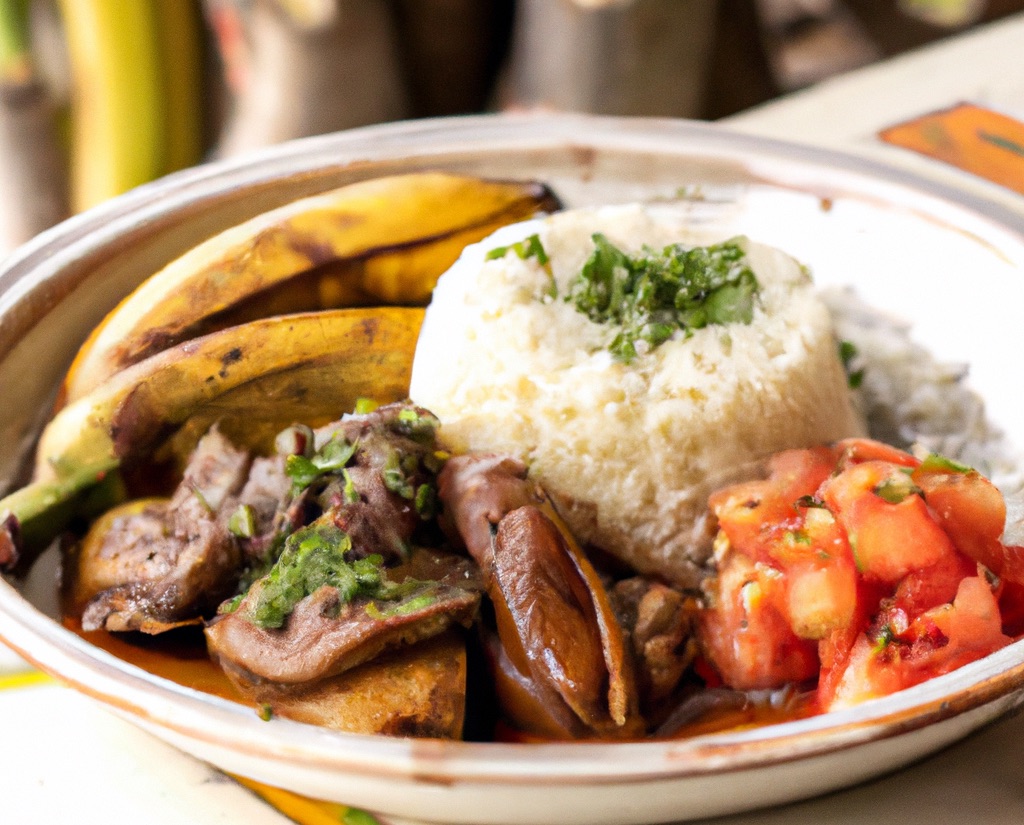
We had the chance to try Seco de Chivo, a traditional Ecuadorian goat stew, at a cozy local restaurant in Agua Blanca. The goat meat is slowly braised in a rich, flavorful sauce made with achiote, oregano, peppers, onions, tomatoes, a hint of fermented corn drink, naranjilla, and an array of other spices. The slow cooking process made the meat incredibly tender, soaking up all those wonderful flavors—it was one of the most memorable meals of our trip!
Make sure to check our detailed article on Ecuadorian food.
Where To Stay In Manta, Ecuador?
Manta has accommodation from backpacker hostels to upscale hotels. We picked Oro Verde as our top pick, which had free parking, a 24-hour front desk and room service. Hotel Poseidon and Balandra Hotel are other hotel options, while Hostal Naufrago and Hostal Antares suit backpackers.
| Option | Budget level | Who it suits |
|---|---|---|
| Oro Verde Manta | Upscale | travelers wanting comfort, parking and room service |
| Hotel Poseidon | Mid-range | guests who want a pool and poolside bar |
| Balandra Hotel | Mid-range | visitors wanting breakfast, pool and fitness center |
| Hostal Antares | Budget | budget travelers wanting breakfast and parking |
| Hostal Naufrago | Budget | solo or couple backpackers |
| Golden Mar Hostal | Budget | budget travelers who want a pool |
You can definitely find a place to stay in Manta that suits your needs and budget. Since the place is popular among tourists, the city offers a lot of accommodation from backpacker hostels to luxurious upscale hotels. Hotels are the safest options to stay in Manta. I recommend to stay in well-secured building with safe box in your room. We have listed the popular choices of hostels and hotels in Manta below:
Oro Verde Manta
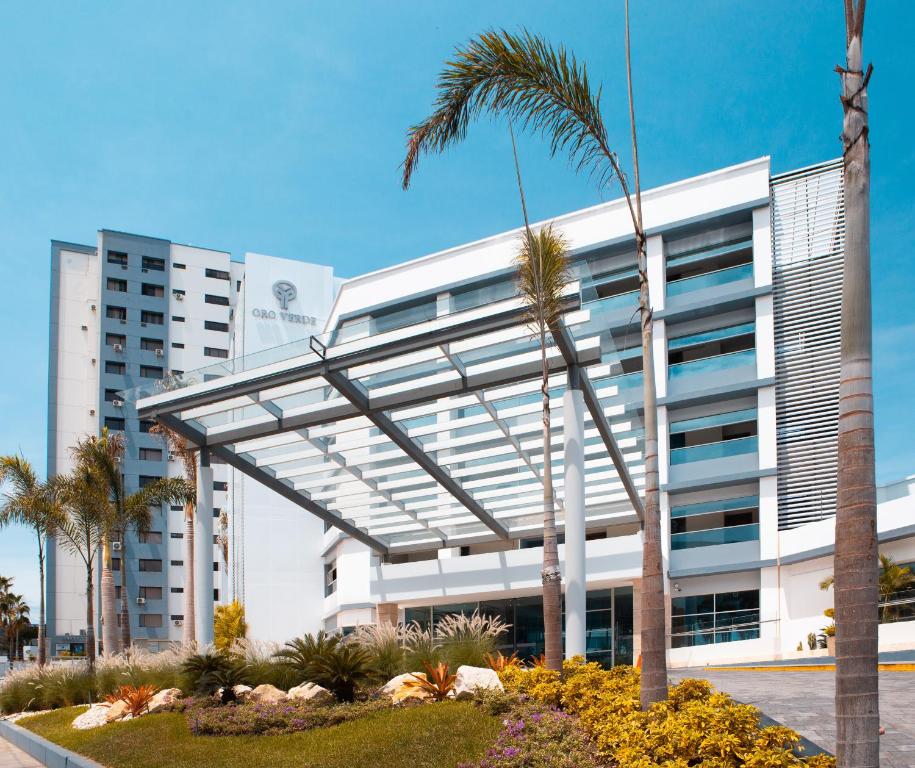
Oro Verde Manta was our top pick for our stay, and it truly lived up to its reputation. This hotel offered excellent amenities for a surprisingly affordable price. For around $100 a night, we enjoyed the convenience of free parking, a 24-hour front desk, and attentive room service. The welcoming atmosphere made it feel like a perfect base for our Manta adventure, blending comfort and value seamlessly. Check the current rate here.
Hotel Poseidon
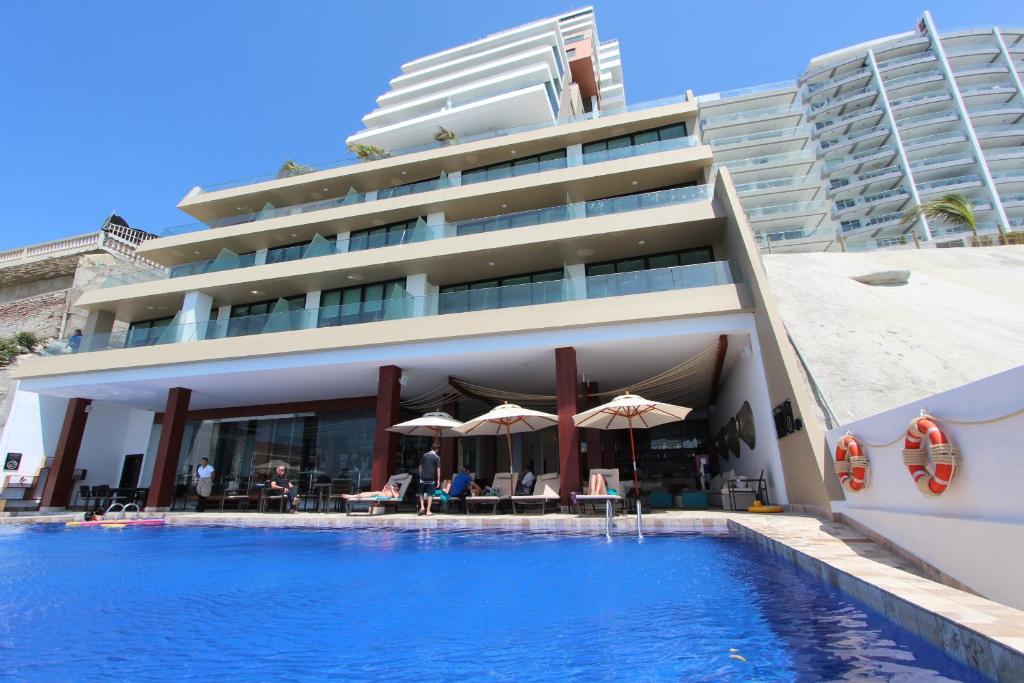
I had initially set my sights on Hotel Poseidon, drawn by its inviting pool, poolside bar, and complimentary guest parking. It seemed like the perfect spot to unwind after days of exploring Manta’s beaches and local sights. Unfortunately, it was already fully booked when we checked, but it’s definitely one to keep in mind for future trips. Rates there typically start around $120 a night, making it a great option for a bit of affordable luxury.
Check the current rate here.
Balandra Hotel
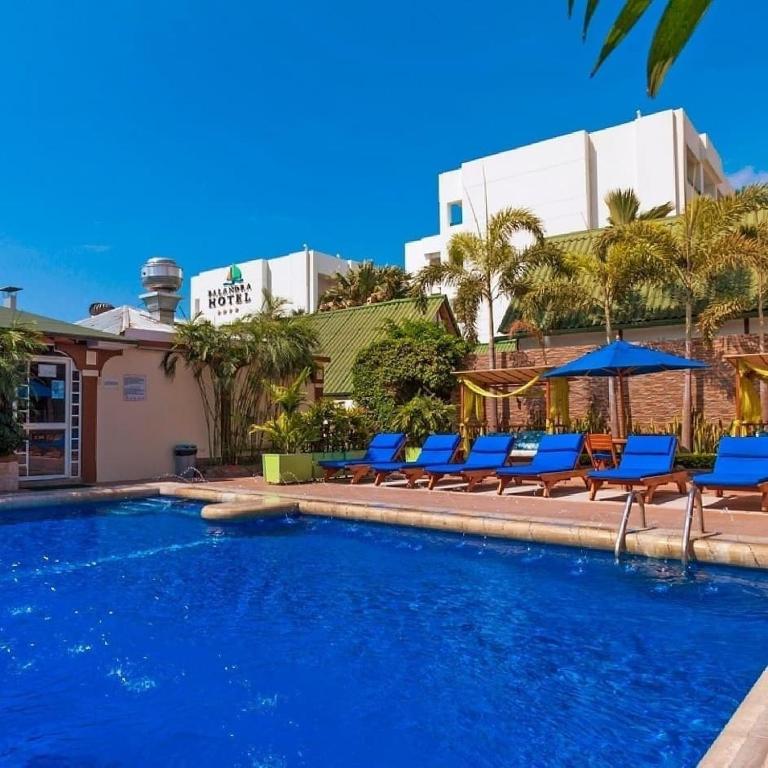
Balandra Hotel was another appealing option we came across. They provide a free buffet breakfast, reliable Wi-Fi, and complimentary parking, which always makes for a convenient stay. With an outdoor pool and a fitness center, it seemed ideal for both relaxation and staying active during our time in Manta. The rates start around $100 per night, offering great value for everything included. This is definitely a spot I’d consider on my next visit. Check the current rate here.
Hostal Antares
Staying in Hostal Antares usually ranges from USD45 to USD90. This hostel offers free breakfast, wi-fi access, and parking.
Hostal Naufrago
Hostal Naufrago offers free access to wi-fi. This hostel is ideal for solo or couple backpackers. Rates usually start at USD25.
Golden Mar Hostal
This hostel with an outdoor pool, free wi-fi access, and parking. A single room in Golden Mar Hostal is normally priced at USD70.
How To Get To Manta, Ecuador?
Manta's airport handles domestic flights, and since March 2026 Copa flies daily to Panama. Visitors from abroad usually reach Manta via Quito or Guayaquil, with Guayaquil closer. Buses run from Quito in eight hours for about USD 13.80 and from Guayaquil in three hours for about USD 7.19.
| Route | Mode | Time | Cost, one way |
|---|---|---|---|
| From Quito | Bus | 7 to 8.5 hours | USD 13.80 |
| From Quito | Flight | 50 to 55 min | Varies by date |
| From Guayaquil | Bus | about 3.5 hours | USD 7.19 |
By Air
Currently, the airport in Manta handles domestic flights to and from other cities in Ecuador, and since March 2026 Copa also flies from Manta to Panama on a daily basis.
For visitors from outside Ecuador, the major gateway to reach Manta is the airports of Quito and Guayaquil. You can transit in these cities and take a domestic flight going to Manta. It is worth noting that Guayaquil is closer to Manta.
By Bus
For a more affordable trip, you may also opt to take a bus to Manta from the big cities of Quito or Guayaquil.
From Quito
Manta is an eight-hour bus ride away from Quito. There are bus operators with trips to Manta that leave Quito every hour and costs about USD 13.80 per person.
From Guayaquill
If you are from Guayaquil, you can also ride a bus going to Manta which usually takes three hours and costs about USD 7.19 per person.
Taxis
Taxis are also a common utility vehicle in Manta. The fares are cheap so if you are going to places a few kilometers away from where you are, taking a cab is the best option. We were using taxis all the time.
Buses
Buses are also accessible in Manta and there are several bus routes going in and out of the city. Keep in mind, some bus routes could be sketchy, so I’d recommend sticking to
What Is The Weather Like In Manta, Ecuador?
Manta's peak heat arrives between March and April, with temperatures around 30°C. April has the lowest chance of rain, but showers are frequent otherwise, so pack sunscreen and an umbrella. August through October is often considered the best time to visit, with ideal weather for beach activities and city sightseeing.
| Month | Average high | Average low | Rain |
|---|---|---|---|
| January | 29.8 °C | 22.6 °C | 30 mm |
| February | 29.8 °C | 23.1 °C | 67 mm |
| March | 29.9 °C | 23 °C | 76 mm |
| April | 30.2 °C | 22.7 °C | 31 mm |
| May | 30.1 °C | 22.3 °C | 3 mm |
| June | 28.8 °C | 21.3 °C | 3 mm |
| July | 28.2 °C | 20.5 °C | 0 mm |
| August | 28.3 °C | 20.2 °C | 0 mm |
| September | 28 °C | 20.2 °C | 3 mm |
| October | 28.1 °C | 20.5 °C | 1 mm |
| November | 28.5 °C | 21 °C | 0 mm |
| December | 29.3 °C | 21.6 °C | 3 mm |
Monthly averages from the Manta (Wikipedia climate table) station, 1971 to 2000.
The peak heat in Manta hits between March and April, with temperatures soaring up to around 30°C. We made sure to bring plenty of sunscreen, which was essential whether we were beachside or just exploring the city streets.
Rain is a frequent visitor in Manta, so having an umbrella on hand is a good idea whenever you’re out and about. In April, there’s the lowest chance of rain, offering a nice break from the frequent showers.
For those planning a trip, August through October is often considered the best time to visit Manta, with ideal weather for both beach activities and city sightseeing.
Is Manta, Ecuador Safe To Visit?
Manta felt safe and welcoming throughout our trip, and we enjoyed it without much worry. Carrying loose change helped for small payments at markets, shops and taxis. Officially, Manabí province is listed at Level 3, reconsider travel, by the US State Department because of crime, while the UK FCDO advises against all but essential travel.
Manta felt safe and welcoming throughout our trip, and we were able to enjoy it without much worry. Still, it’s always wise to stay aware of your surroundings and take usual travel precautions.
I found it helpful to carry loose change, especially for small transactions at local markets, shops, and taxis—it made paying quicker and easier. Since Manta’s weather leans towards hot with a sprinkle of rain now and then, packing essentials like hats, sunscreen, and a compact umbrella made a big difference for us. These small preparations definitely helped us enjoy every moment without any hassle!
Conclusion
Manta truly offers a unique glimpse into Ecuador’s coastal life, with its bustling fishing ports and relaxed beaches that showcase the daily rhythm of local life. For me, staying a week was just scratching the surface; being near the sea was refreshing, though the town doesn’t offer as many standout attractions compared to other places in Ecuador. I’d give it a 5 out of 10—pleasant for a laid-back stay but not necessarily a must-visit. For those seeking more dynamic adventures, check out my Ecuador travel guide for other cool spots that might be more your vibe.
How Much Does A Trip To Manta, Ecuador Cost?
Intercity transport sets the baseline for a Manta budget: the bus from Quito costs about USD 13.80 and the bus from Guayaquil about USD 7.19. Accommodation ranges from hostels to upscale hotels. Taxis in the city are cheap, which helps keep daily spending low when moving between beaches and sights.
| Item | Cost |
|---|---|
| From Quito: Bus | USD 13.80 |
| From Guayaquil: Bus | USD 7.19 |
Planning trip to Ecuador?
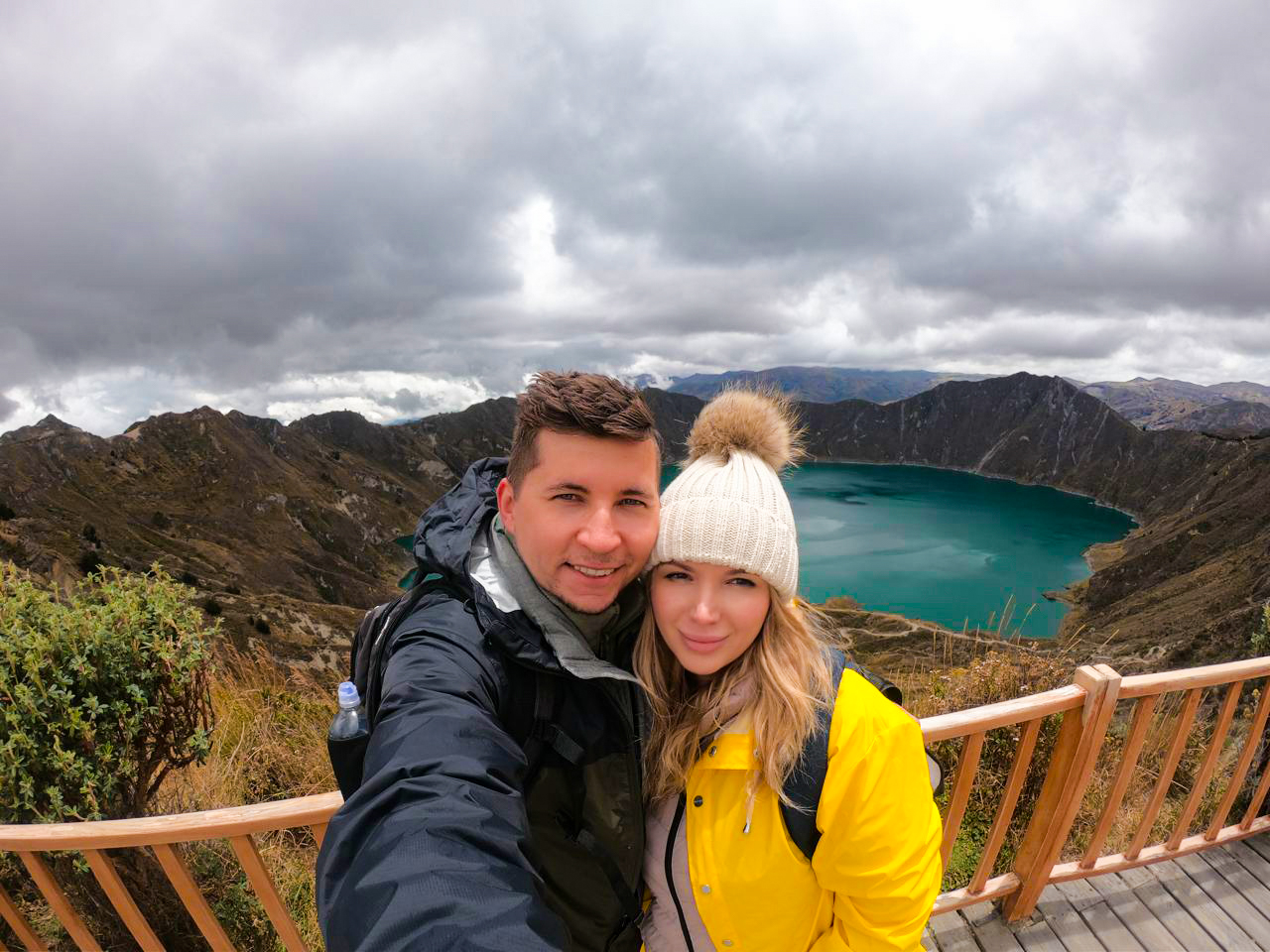
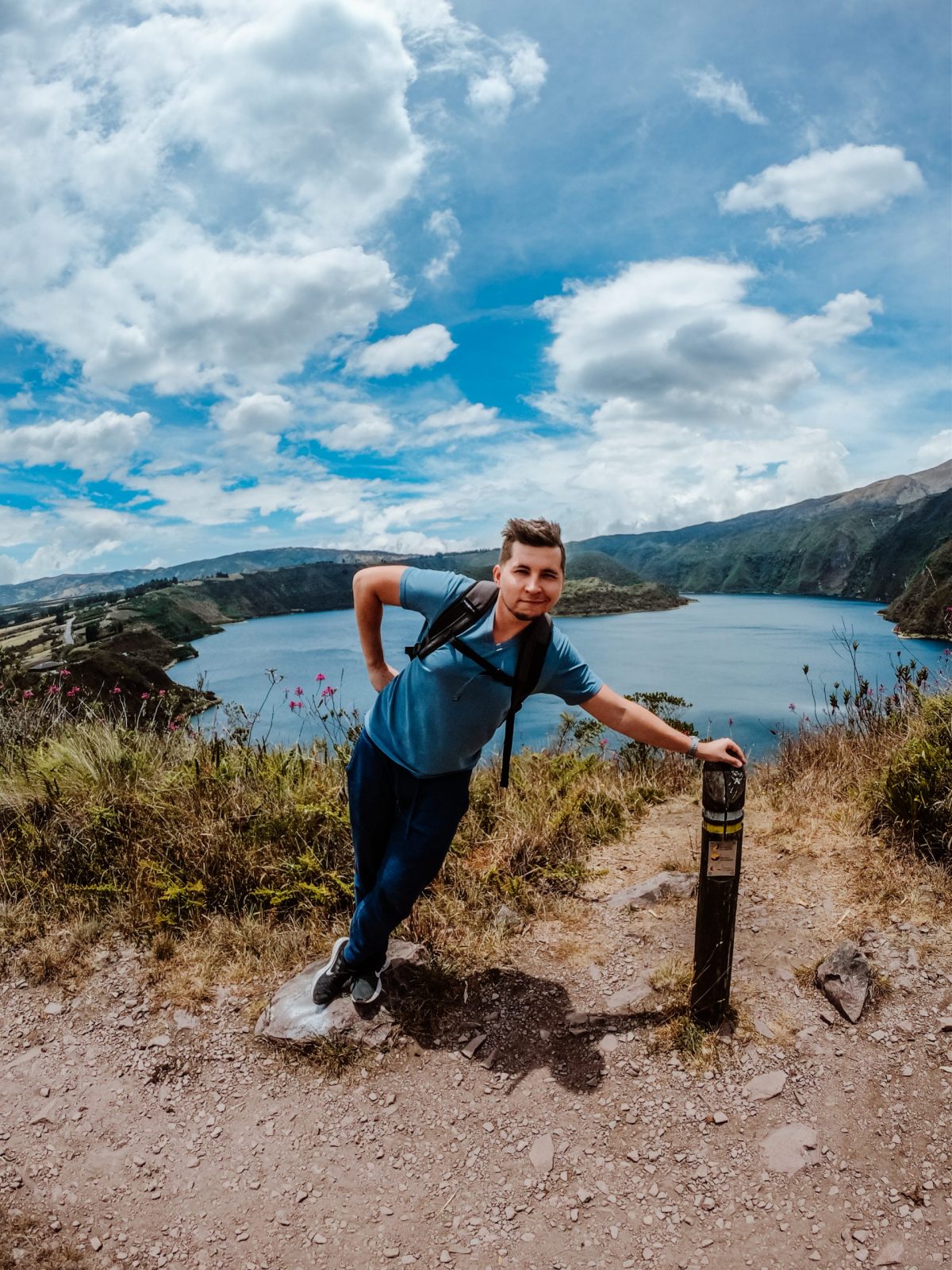
My wife and I spent 15 days traveling from the northern part of Ecuador to the south, 11 of them in a rental car, visiting amazing cities like Quito, Otavalo, Baños, Cuenca, and Guayaquil. Along the way, we explored iconic places such as Cotopaxi National Park, Quilotoa Lake, and many more breathtaking destinations.
Not many blogs cover traveling in Ecuador in detail, so I spent nearly three weeks creating this comprehensive Ecuador travel guide based on our trip. It’s packed with everything you need to know, and honestly, I consider it the best free travel guide about Ecuador out there.
If you’re planning a trip to Ecuador, don’t forget to use my link for discounted hotel prices through Booking.com. It’s a great way to support my blog while saving money on your accommodations!
Questions About Manta
Is Manta, Ecuador safe to visit?
The US State Department lists Manabí province, which includes Manta, at Level 3, reconsider travel, because of crime; that advisory was issued on 14 October 2025. The UK FCDO, in guidance updated on 16 September 2026, advises against all but essential travel to Manabí province. Travelers should check current official guidance before booking.
What is Manta, Ecuador famous for?
Manta is known as the world capital of tuna and is Ecuador's main seaport. Its coastline includes beaches such as El Murciélago, and the city acts as a hub for water sports, with surfing, kitesurfing and diving all available along this part of the Ecuadorian Pacific coast.
What airlines fly out of Manta, Ecuador?
Avianca and LATAM fly direct from Quito to Manta's Eloy Alfaro International Airport. There is no direct flight from Guayaquil. Copa has flown daily from Manta to Panama since March 2026, giving the airport one international route alongside its domestic connections within Ecuador. Travelers from Guayaquil connect through Quito or travel overland.
What is the weather like in Manta, Ecuador, by month?
Average highs in Manta run from 28 degrees C in July to October to 30 degrees C in March to May, with lows between 20 and 23 degrees C, based on 1971 to 2000 averages. February and March are the wettest months, while July to November are nearly dry.
What is the water temperature in Manta, Ecuador?
The coolest sea temperatures fall in September, when the average drops to 22.8 degrees C, while February brings the warmest water at 26.2 degrees C. These averages come from long-term measurements rather than daily readings, so short-term conditions can differ from the monthly figures shown here.
What is there to do in Manta, Ecuador?
Surf or relax at El Murciélago beach, walk the Malecón Escénico, and eat ceviche. Kitesurfing is popular at Santa Marianita, and visitors can also see the port and tuna market. Seasonal whale-watching trips and diving day trips are available from the city during the season.
Map Of The Places In Manta
Every pin is a place named in this guide.
Places on the map