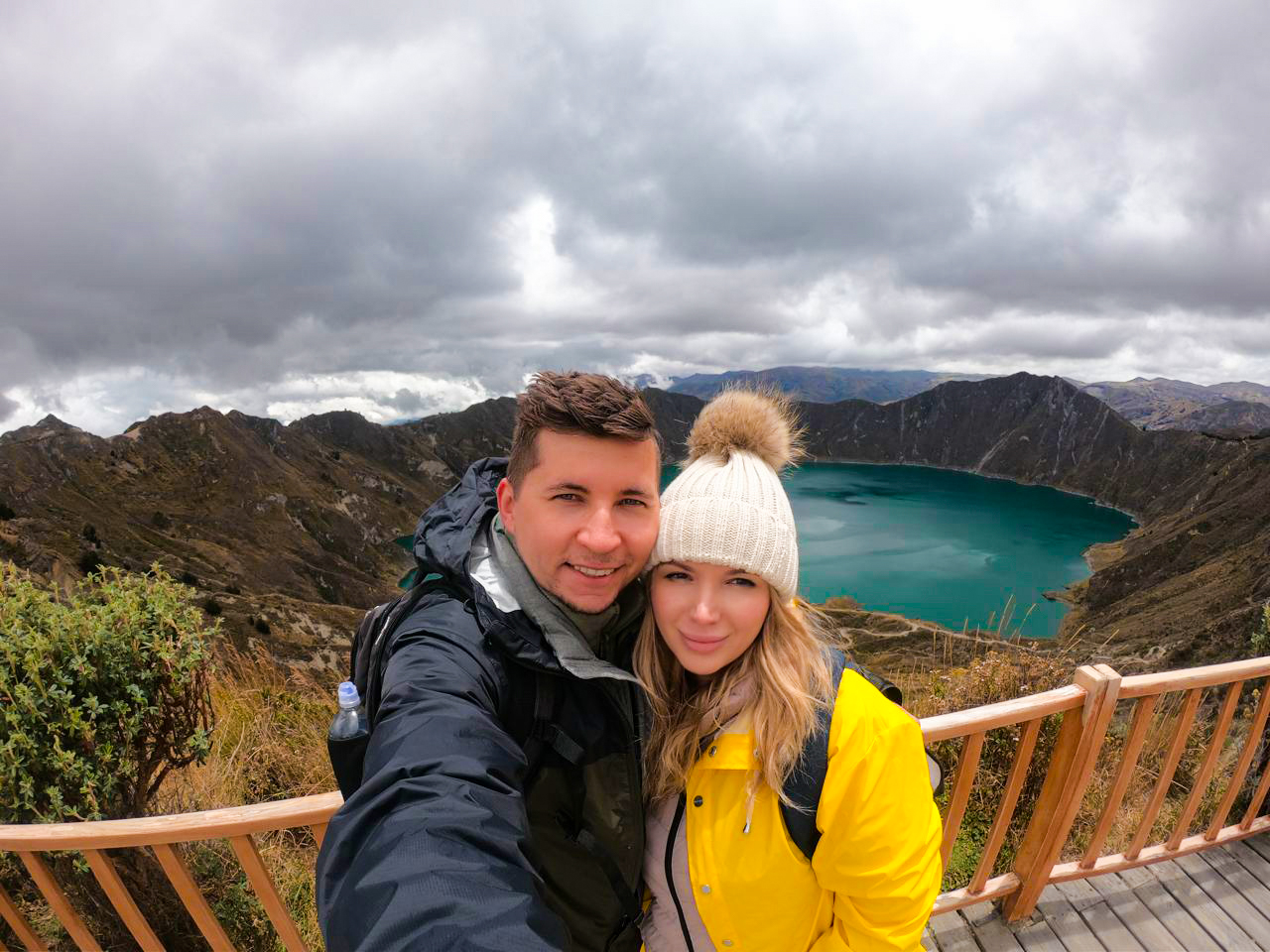
Things To Do In Quito, Ecuador: Our Travel Guide With Many Photos
Quick Facts About Quito
| Altitude | 2,850 m |
|---|---|
| Best months | June to September (least rain) |
| Days you need | 3 to 4 days |
| Airport to the city | Official taxi 45 to 60 min, USD 25 to 40; Bus 60 to 90 min, USD 2 |
| From Guayaquil | Bus 8 to 9 hours, USD 14.66; Flight about 55 min |
| Safety | The US State Department rates Ecuador Level 2, exercise increased caution, and daytime walking in Quito's Centro Histórico, La Carolina and La Floresta is generally fine with standard precautions. |
Our Take On Quito
Quito was one of the highlights of our 15-day self-drive adventure across mainland Ecuador. We explored the city on our own and found that staying longer is worthwhile, since there is much more to this historic city than a stop on the way to the Galapagos. Walking through the Old Town felt like stepping back in time, and we tried the local food, from Locro de Papa to empanadas de viento.
Quito, perched at a high altitude of 2,850 meters, is Ecuador’s vibrant capital and often considered the gateway to the legendary Galapagos Islands. While many travelers pass through Quito on their way to or from the islands, we found that staying longer is absolutely worthwhile! There’s so much more to uncover in this historic city—no wonder it was among the first cities to earn a UNESCO World Heritage Site title. We explored Quito on our own and I will share 10 cool things to do and see in the city (not including cool day trips, I have a separate article for day trips from Quito)
Quito was one of the highlights during our 15-day self-drive adventure across mainland Ecuador.
You can check quick recap of this do to in Quito in my video:
Where To Go And What To Do In Quito Ecuador?
Quito's Historic Center is Latin America's best-preserved historic district and Quito was among the first cities to earn UNESCO World Heritage status, in 1978. Start at Plaza Grande with the Palacio de Gobierno and the Metropolitan Cathedral, then visit Iglesia de la Compañía, San Francisco Church and Santo Domingo Church. The baroque buildings have stood for nearly 500 years.
What Visitors Need To Know In October 2026
- Events: The Quito International Book Fair runs at the Centro de Exposiciones Quito from 30 September to 4 October 2026, with free entry from 10:00 to 20:00 each day.
- Transport: Quito applies pico y placa limits on private cars by plate number, from 06:00 to 09:30 and from 16:00 to 20:00.
- Transport: Bus fares rose 25% on 1 August 2026, and Quito to Guayaquil now costs USD 14.66 one way.
| Place | Entry (foreign adult) | Time needed | Best for |
|---|---|---|---|
| TelefériQo | USD 9 | 1 to 2 hours | Panoramic views above the city |
| Basílica del Voto Nacional | USD 4 | 1 to 2 hours | Historic Old Town sightseeing |
| Ciudad Mitad del Mundo | USD 5 | 1 to 2 hours | Standing on the equator |
| Parque La Carolina | Free | 2 to 3 hours | Green space and outdoor time |
Quito offers a wide range of attractions, from historic sites to natural escapes. Here’s our list of must-see spots in Quito that truly showcase the city’s charm and diversity.
Quito Historic Center
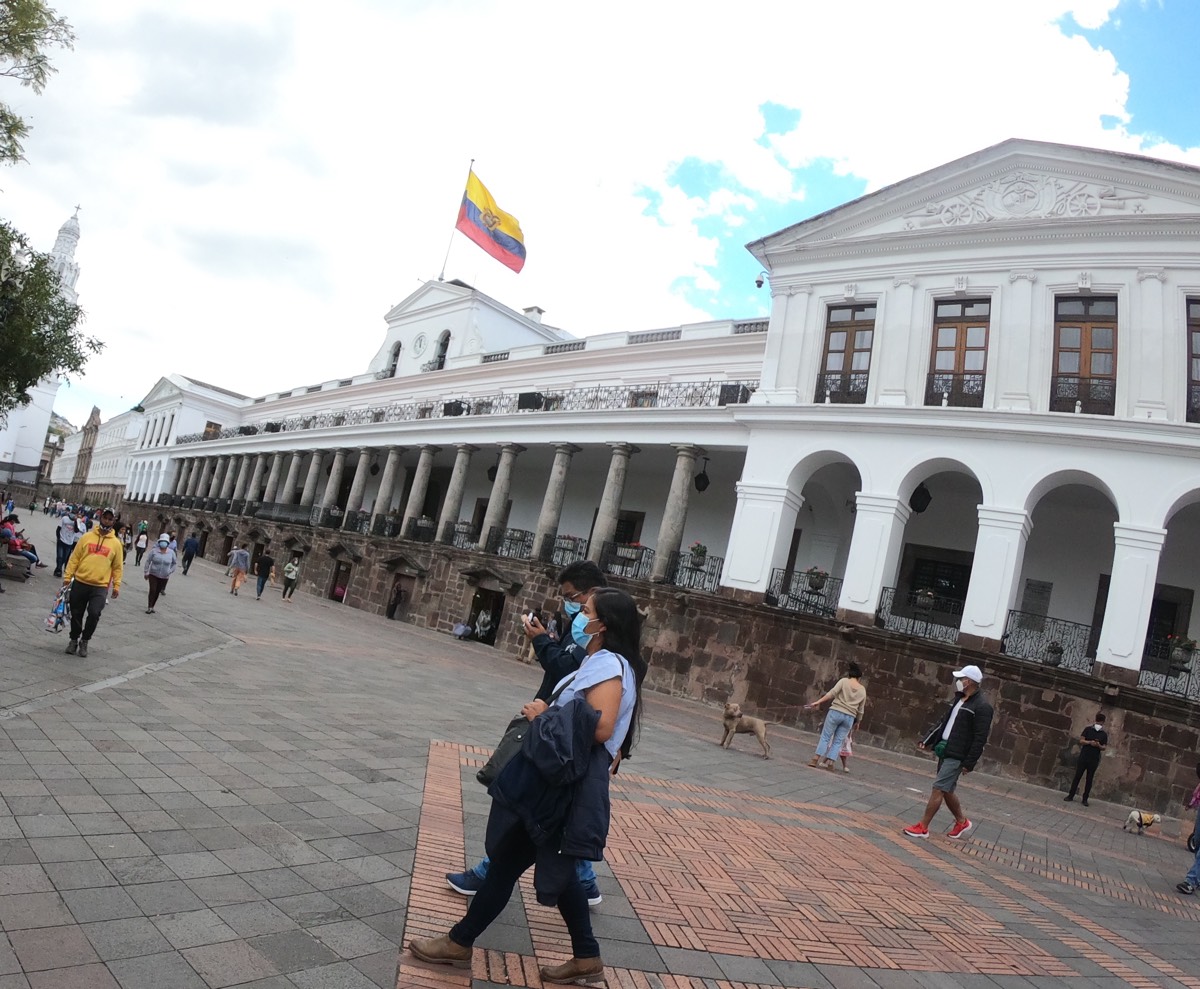
Quito’s Historic Center is celebrated as Latin America’s best-preserved and least altered historic district, earning it the honor of becoming the world’s first UNESCO World Heritage Site. The baroque architecture here has endured through earthquakes and the city’s modern evolution, standing proudly for nearly 500 years. Walking through Quito’s Old Town, surrounded by these magnificent buildings, truly feels like stepping back in time.
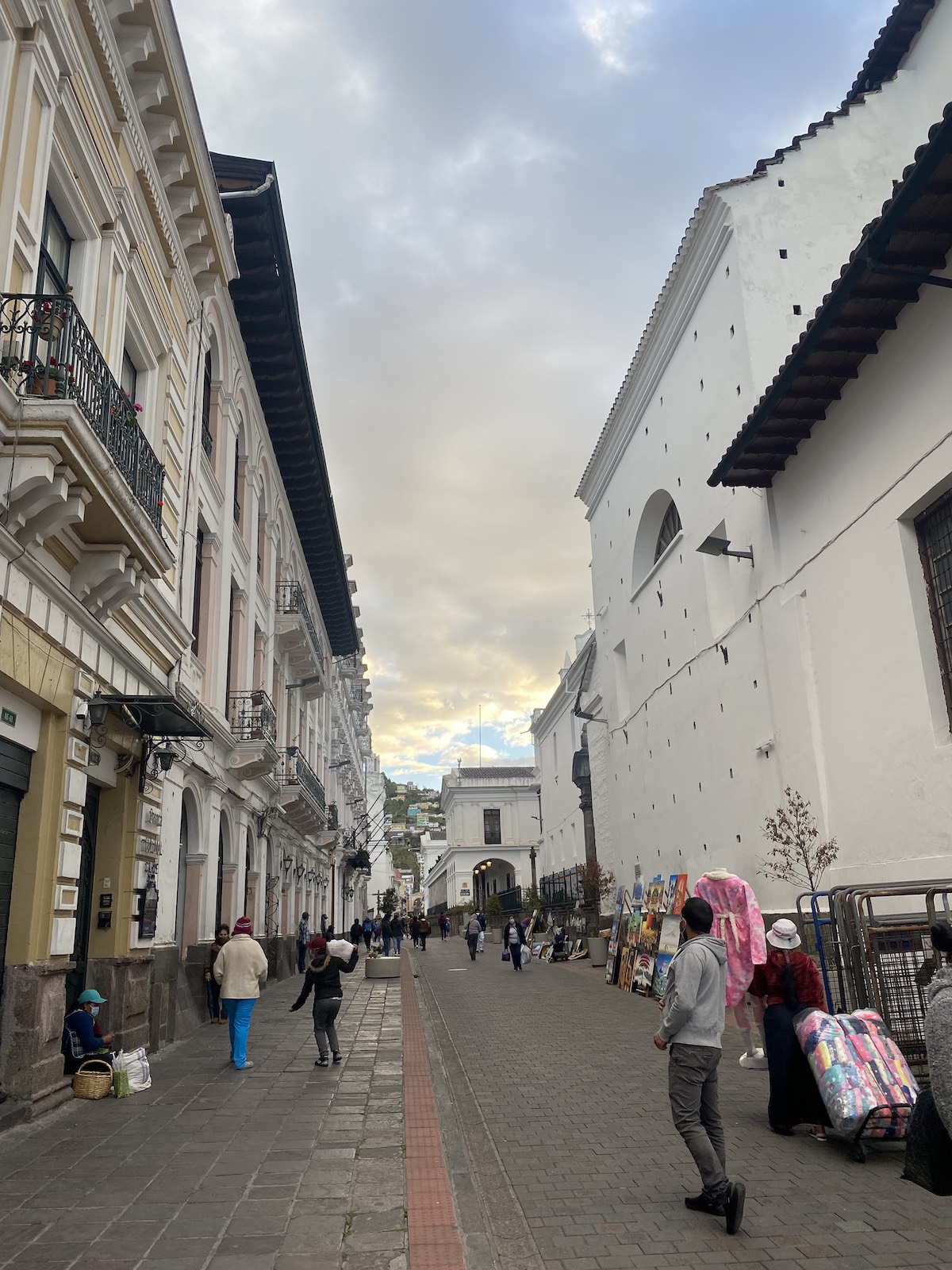
Quito’s Historic Center is packed with sights worth exploring. To make it easier, we’ve narrowed it down to six must-see spots in Quito’s Old Town that capture the essence of this remarkable area.
- Plaza Grande
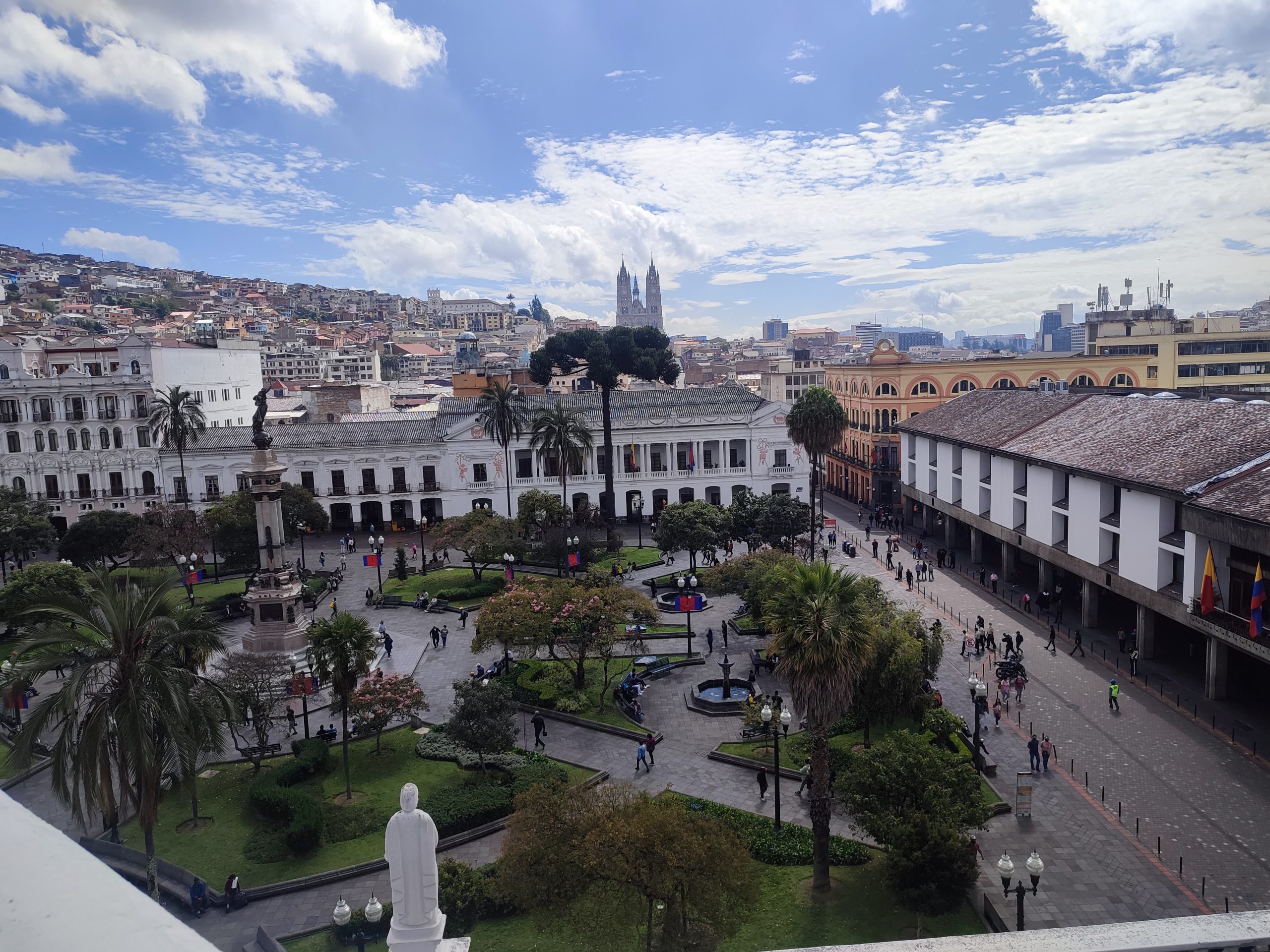
Plaza Grande is the vibrant heart of Quito’s Old Town, making it an ideal starting point for exploring this historic area. Surrounding the plaza is the Palacio de Gobierno (Presidential Palace), the official residence and workplace of Ecuador’s president. You can join a free tour inside, though access is limited to unused rooms for security and safety reasons.
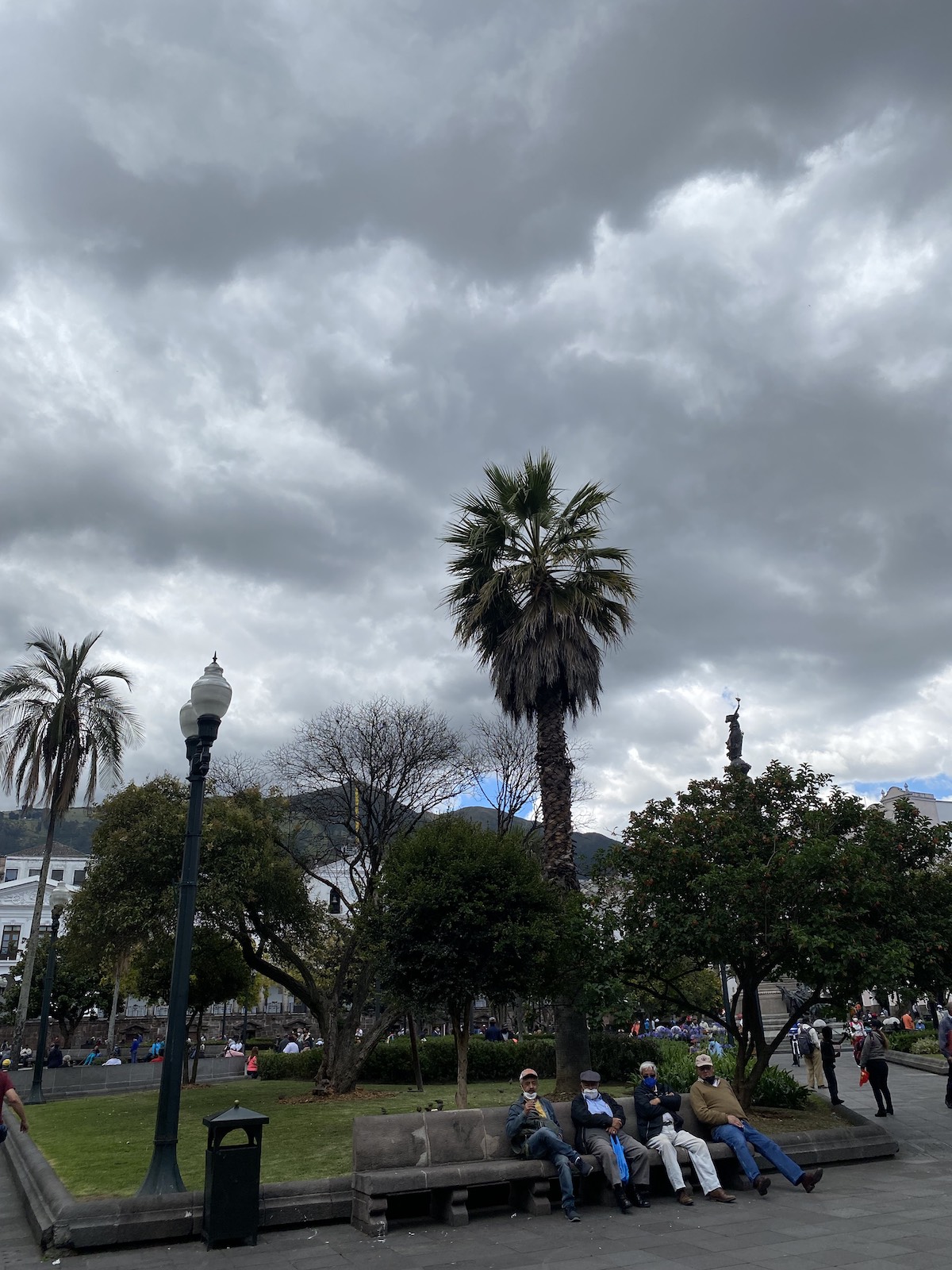
Nearby is the Metropolitan Cathedral, one of the oldest Catholic churches in Quito. The Cathedral features a museum and offers an exclusive tour, giving you a deeper insight into its rich history and religious significance.
- Iglesia de la Compañía

Iglesia de la Compañía is often considered Quito’s crown jewel and one of the most elaborate churches in Ecuador. Construction began in 1605 and, after 160 years of intricate work, it was finally completed in 1765.
- San Francisco Convent and Monastery
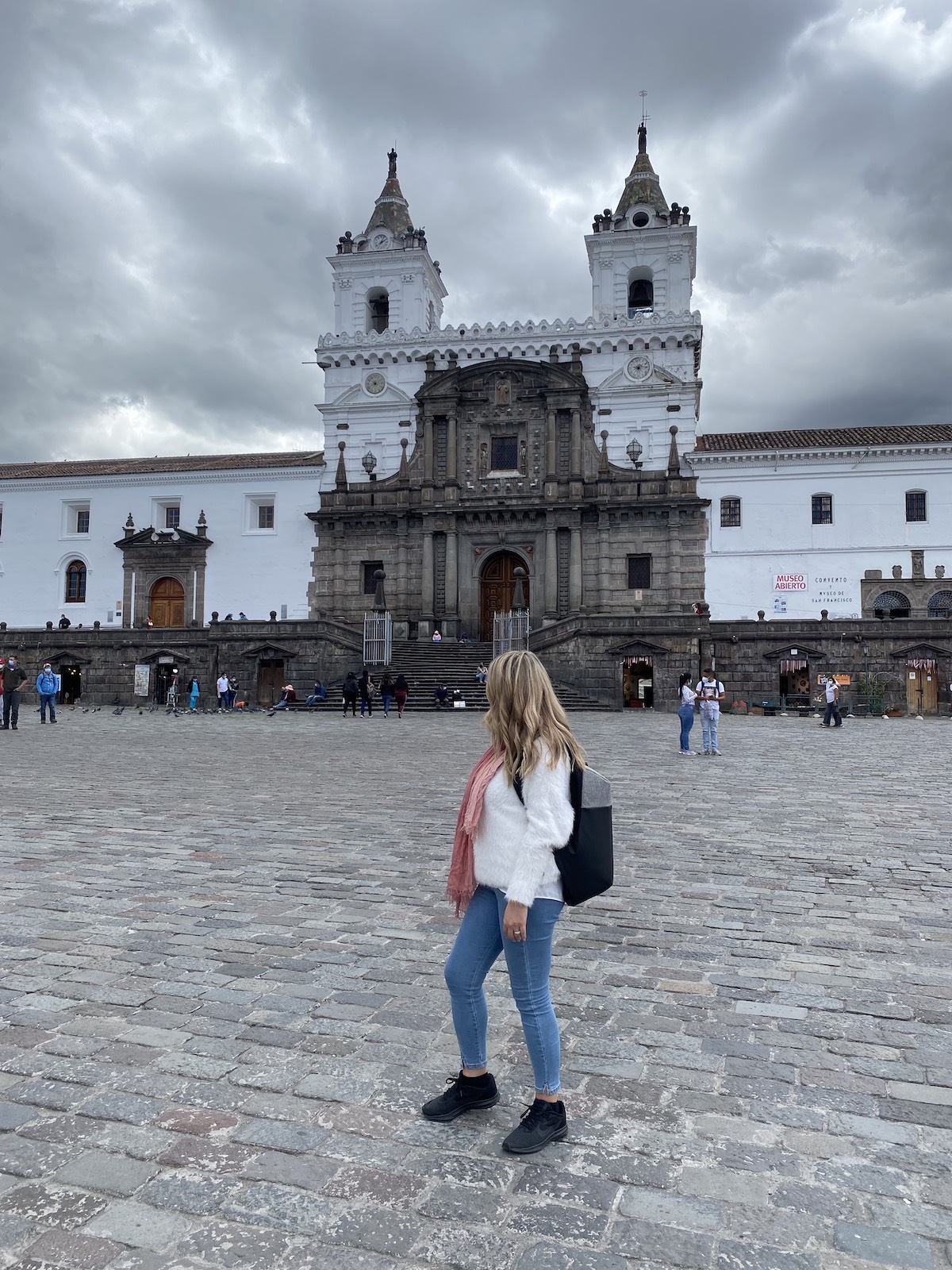
San Francisco Church holds the title of Quito’s first church and is also the largest religious complex in South America. Next to the church, you’ll find a museum with an impressive collection of artworks, offering a deeper dive into the region’s artistic and cultural heritage.
- Santo Domingo Church
Santo Domingo Church is another essential stop in Quito’s Old Town. Standing prominently over a spacious plaza, it’s one of Quito’s most significant religious sites. Originally constructed by Dominican friars in 1540, the church underwent renovations by Italian priests in the 19th century, adding to its grandeur and historical depth.
- Museo de la Ciudad (City Museum)
For history and culture enthusiasts, Quito’s City Museum is a must-visit. It offers a chronological journey through the town’s history, providing insight into its development over the centuries.
Read our full guide on Quito’s old town here.
TelefériQo
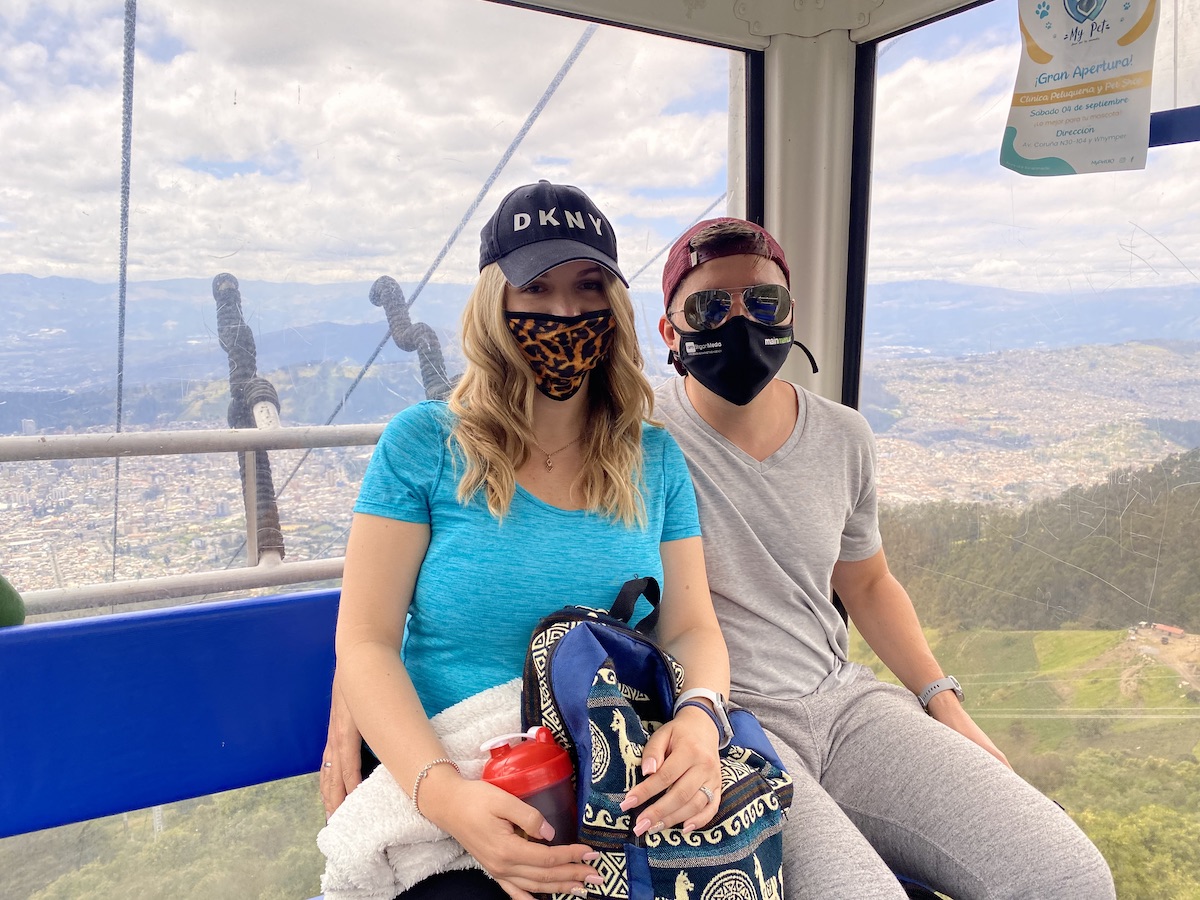
The TelefériQo is a thrilling experience, taking passengers on an incredible cable car journey high into the Andes. As one of the world’s highest aerial lifts, it offers breathtaking views of Quito from above as it ascends the eastern slope of the Pichincha Volcano. The entire ride is mesmerizing, showcasing Quito’s sprawling cityscape from an unforgettable vantage point.
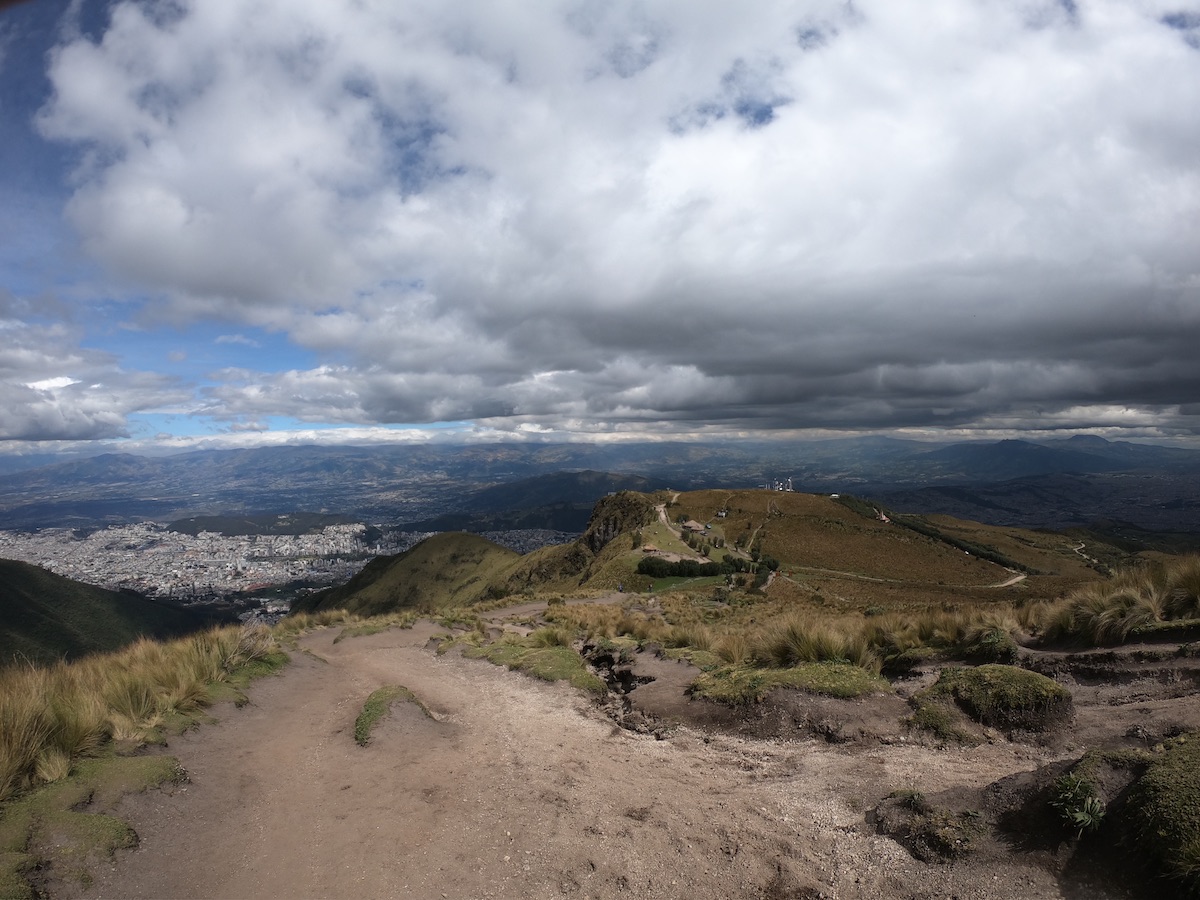
In the upper station, you will find a platform where you can continue to take in the peaceful scenery.
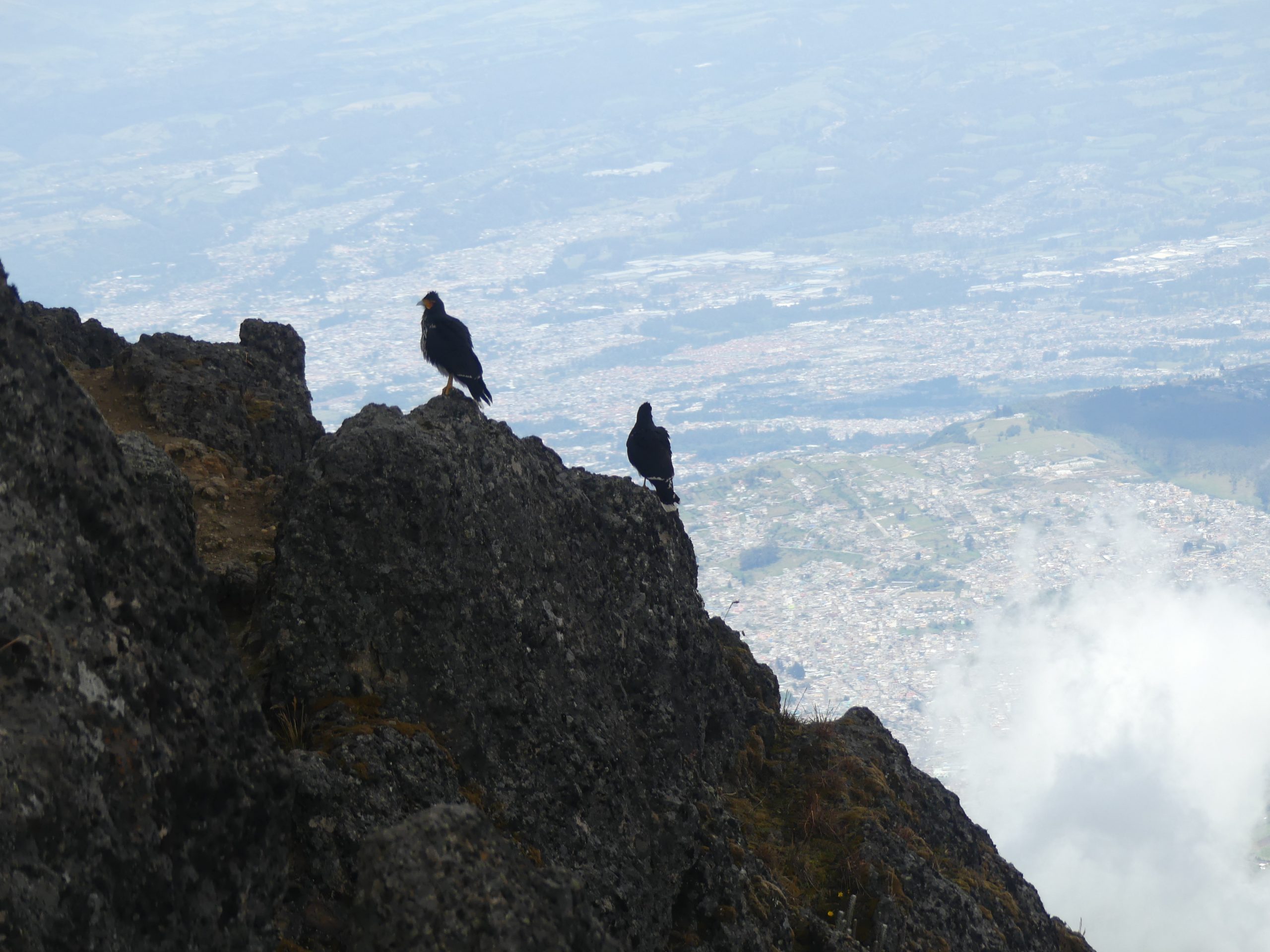
If you are looking for an adventure, Rucu Pichincha is one of the two highest peaks of Pichincha, a stratovolcano in Ecuador.
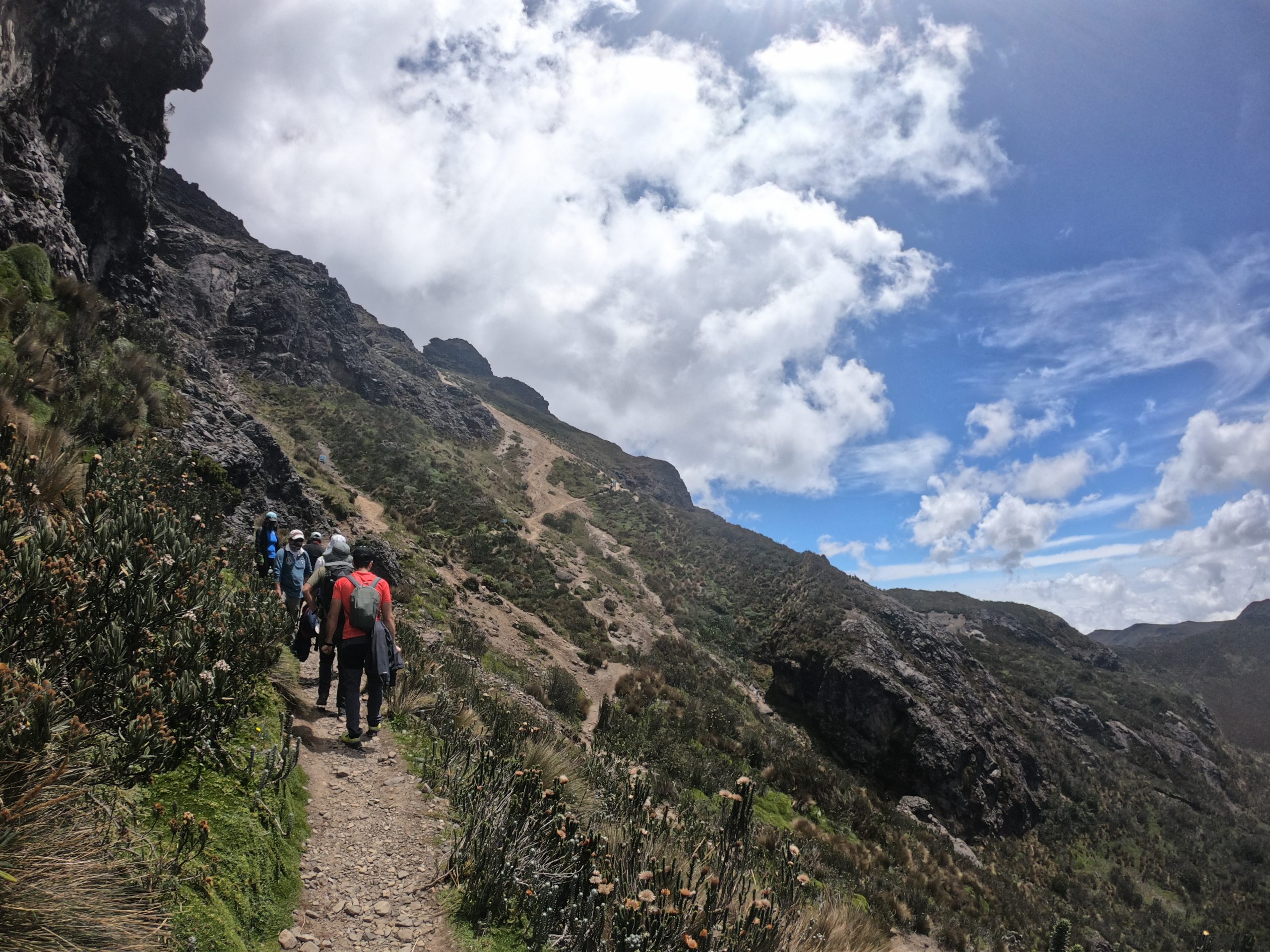
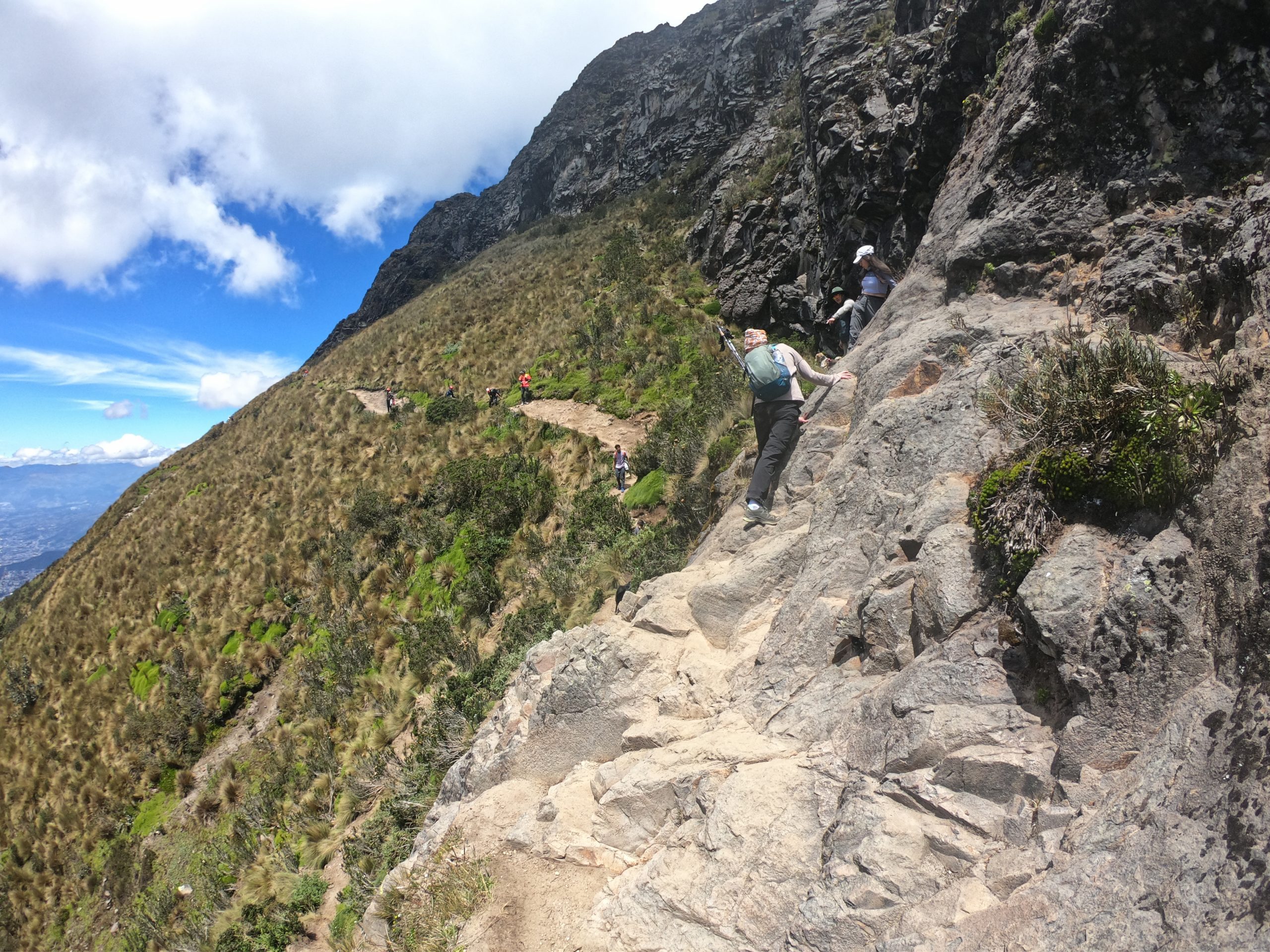
The roundtrip hike up this active volcano usually takes about four to five hours. However, this activity is highly suggested for experienced hikers as the trail has steep parts.
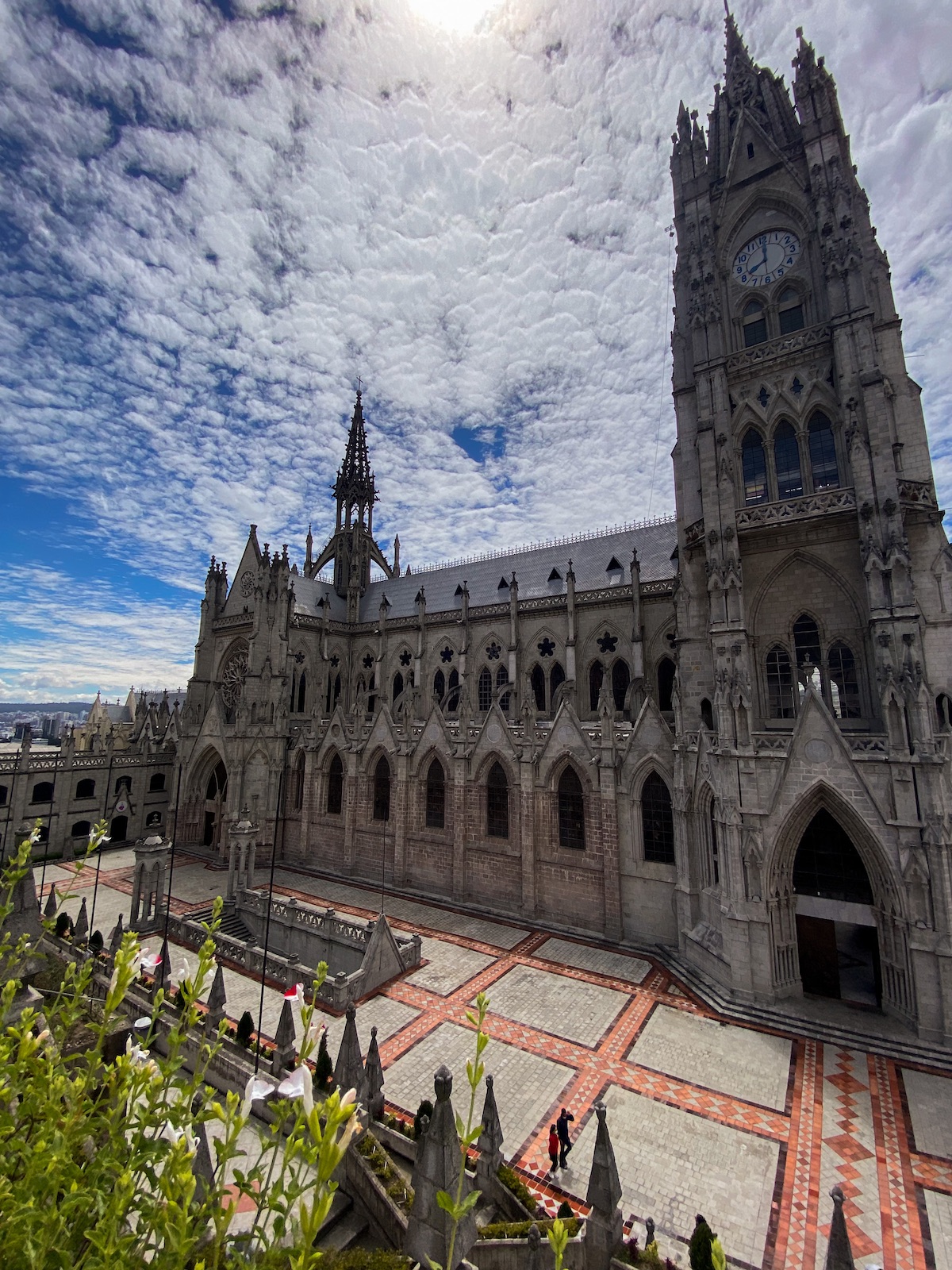
The Basilica del Voto Nacional stands out as much more than a typical church; it’s the largest neo-Gothic basilica in the Americas. Its striking exterior features sculptures of Ecuador’s unique wildlife, like armadillos, tortoises, and birds, taking the place of traditional gargoyles and goblins. This unusual design gives the basilica a uniquely Ecuadorian touch, blending national heritage with Gothic architecture.
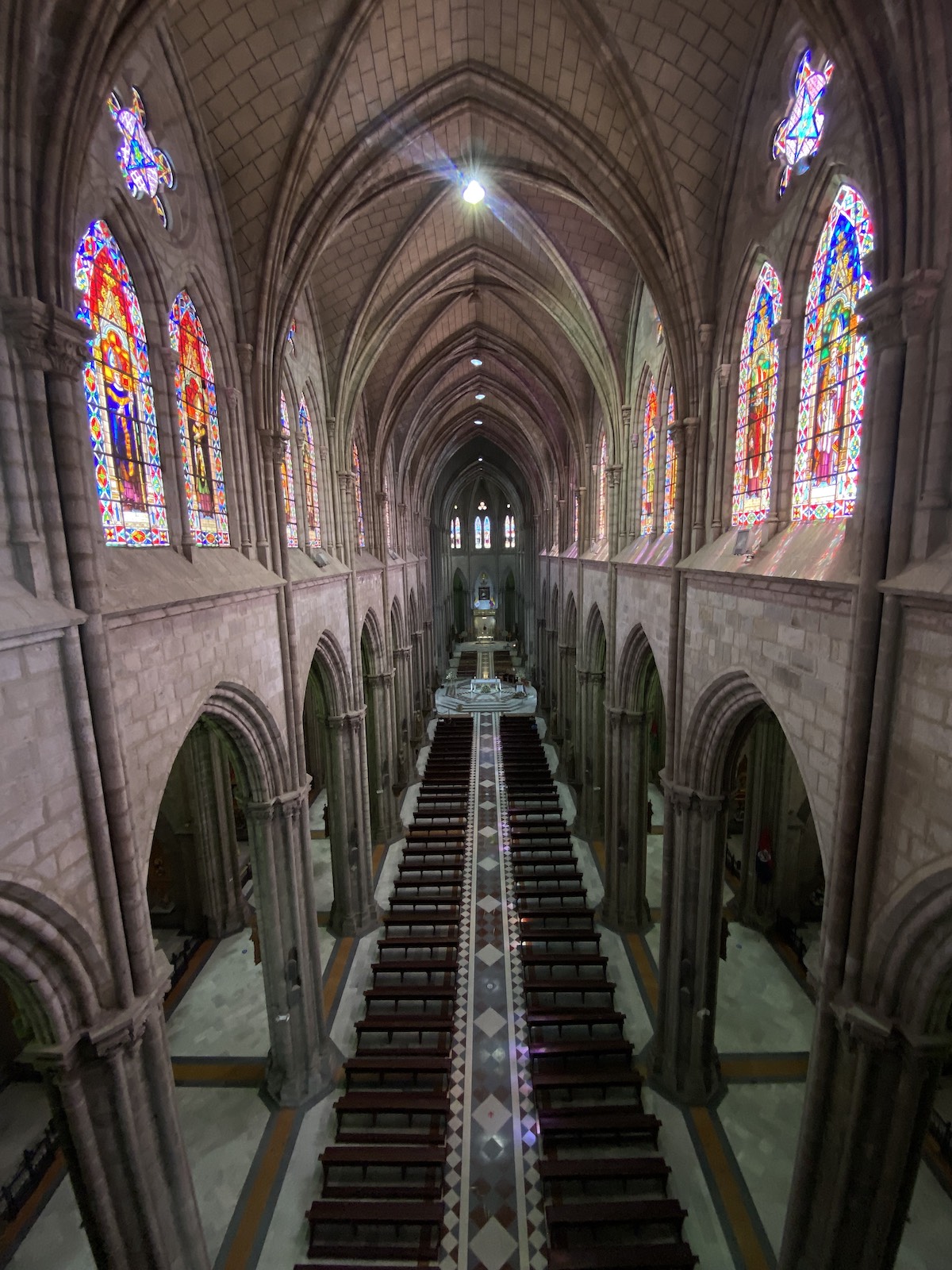
It’s not only the impressive architecture that makes the Basilica del Voto Nacional a must-visit; it also offers an exhilarating experience for those who love a bit of adventure. Climbing up to the twin bell towers rewards you with a stunning 360-degree view of Quito—a real bird’s-eye perspective of the city. And the best part? At the top, there’s a cozy café where you can relax with a cold beer. Yes, beer in a church! After the thrill of the climb, it’s the perfect spot to unwind, take in the scenery, and enjoy a refreshing drink with a view.
Ciudad Mitad del Mundo
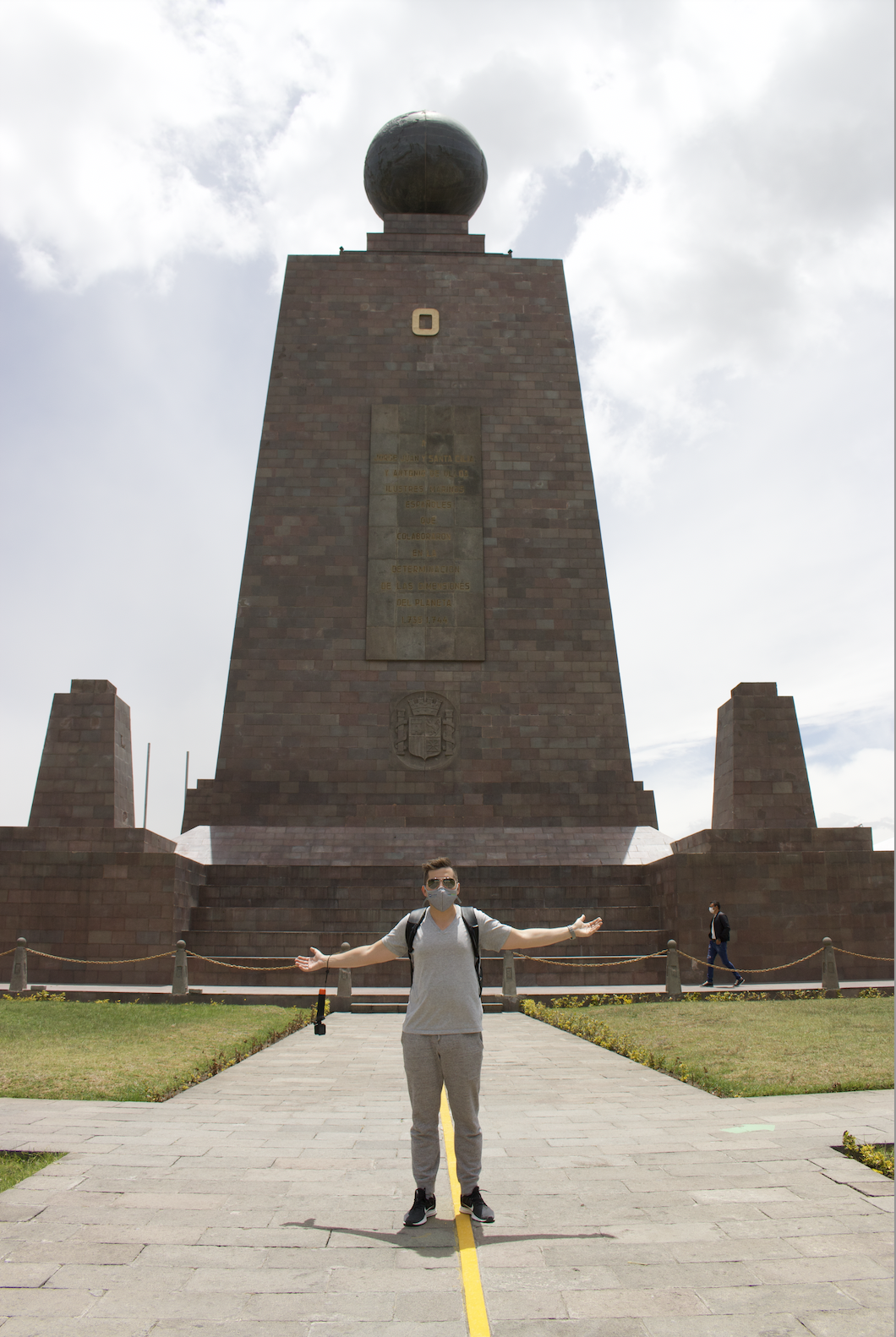
Mitad del Mundo, or “Middle of the World,” is Ecuador’s iconic landmark, marking the spot where the equator crosses the country—hence, Ecuador’s name! This is where you’ll find the famous equator monument and the bold yellow equator line, a favorite spot for photos. We enjoyed the museum, which offers a fascinating glimpse into Ecuador’s history, showcasing everything from Highland and Amazonian tribes to an intriguing collection of musical instruments, textiles, and garments.
But beyond the sightseeing, some playful science experiments add to the fun here. We couldn’t resist testing out gravity tricks near the equator, like balancing an egg on a nail. And straddling both sides of the equator? It’s a quirky but memorable experience!
Parque La Carolina
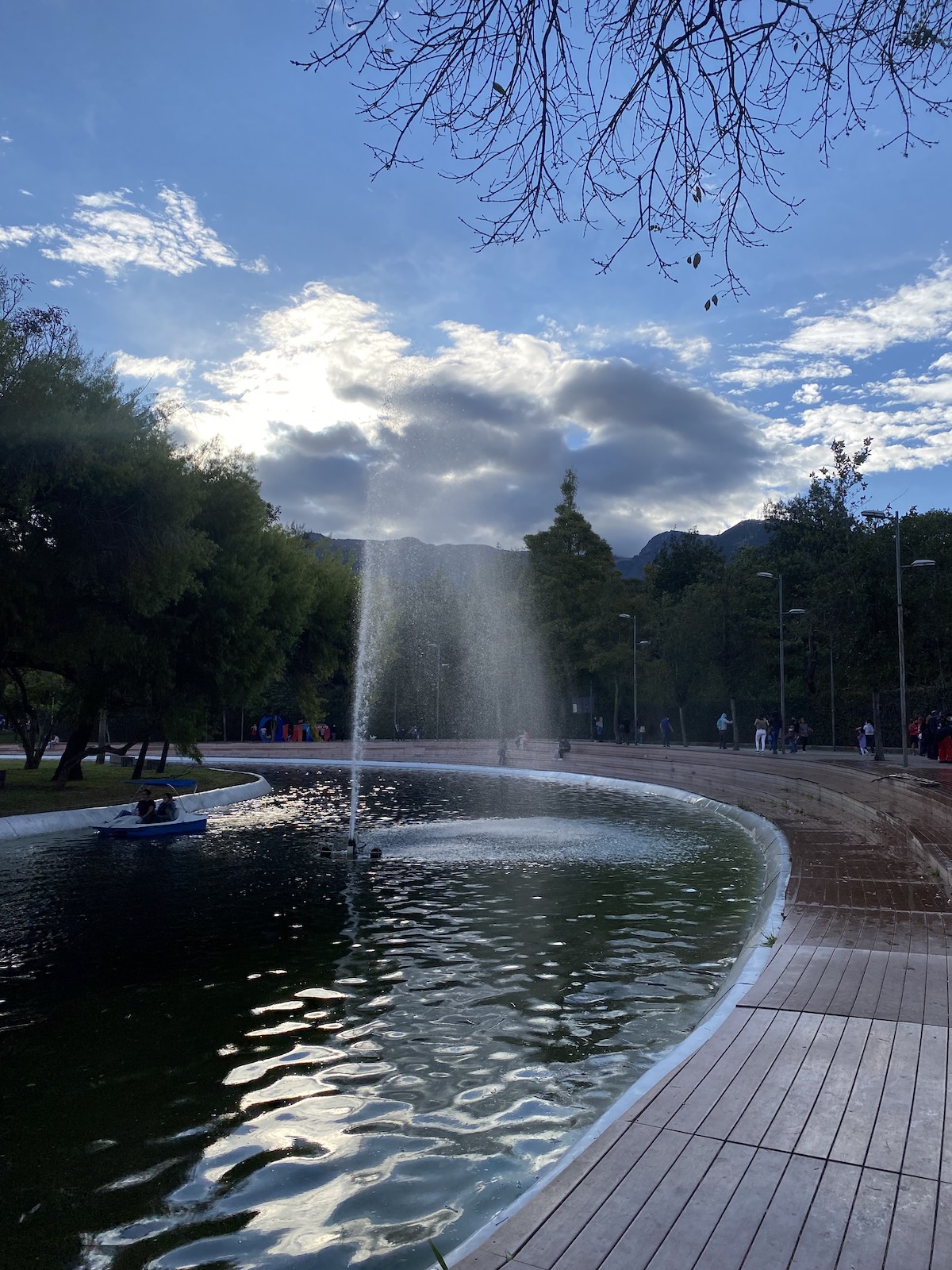
Parque La Carolina truly stands out among Quito’s many parks. Located right in the heart of the city, it offers everything from football fields and running tracks to playgrounds and an impressive skatepark. We enjoyed exploring the park’s various attractions, like the Quito Exhibition Center and the beautiful Botanical Gardens. The man-made river added a fun twist, where we could rent paddle boats and take a relaxing ride. It’s a lively spot, perfect for enjoying Quito’s outdoors!
Check out the best tours in Quito:
What And Where To Eat In Quito Ecuador?
Ecuadorian cuisine deserves time in Quito. We tried Locro de Papa at Diosolopay Restaurante in the historic district, a warm potato soup with cheese, avocado and cilantro. Empanadas make a quick treat, especially the cheese-filled empanada de viento with sugar. Fritada is stir-fried pork with sides, and llapingachos are crispy potato pancakes stuffed with cheese.
Having a taste of local cuisine is a must when traveling. Ecuadorian cuisine is something you should not miss when you are in Quito. Check out the must-try foods in Quito that we have listed.Locro de Papa
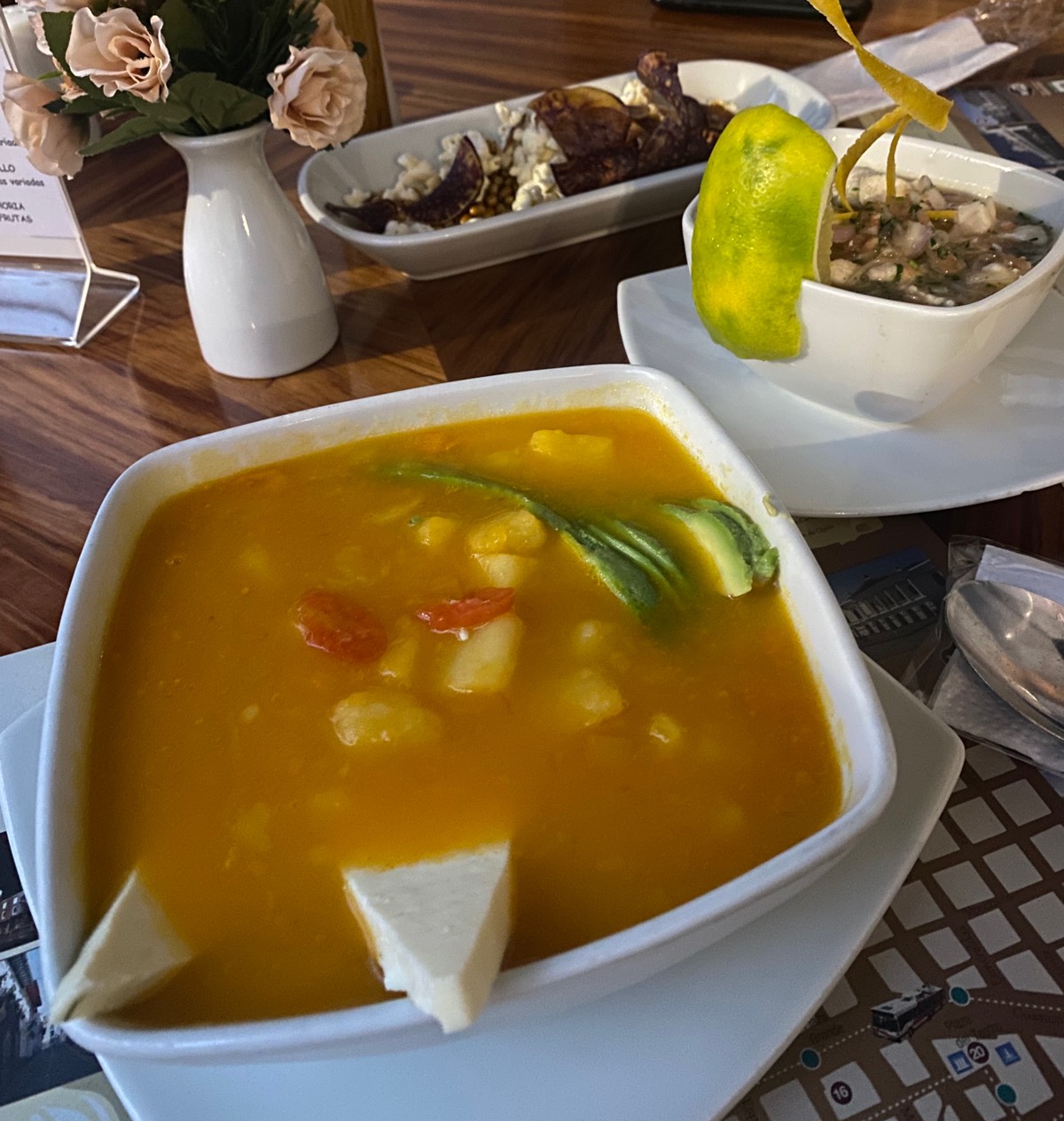
Locro de Papa is a must-try, especially for anyone diving into Ecuadorian cuisine. This warm and comforting soup combines potatoes, milk, cheese, and a hint of annatto, creating a creamy and slightly nutty flavor. The avocado and cilantro topping add a fresh contrast, making it a well-balanced dish. During our visit to Quito’s historic district, we tried this at Diosolopay Restaurante. The cozy ambiance made it an ideal spot for a leisurely lunch, and the Locro de Papa was deliciously satisfying!
- Empanada
Empanadas are truly a treat in Ecuador, whether you’re grabbing a quick bite from a street vendor or enjoying them at a sit-down restaurant. We especially loved the empanada de viento, which is a cheese-filled delight dusted with a sprinkle of sugar – a perfect mix of savory and sweet. Another standout is the empanada de verde, made with green plantains. This one is a great option if you’re after a lighter, unique flavor with fewer calories. Both are delicious and must-try treats while exploring Quito!
- Fritada
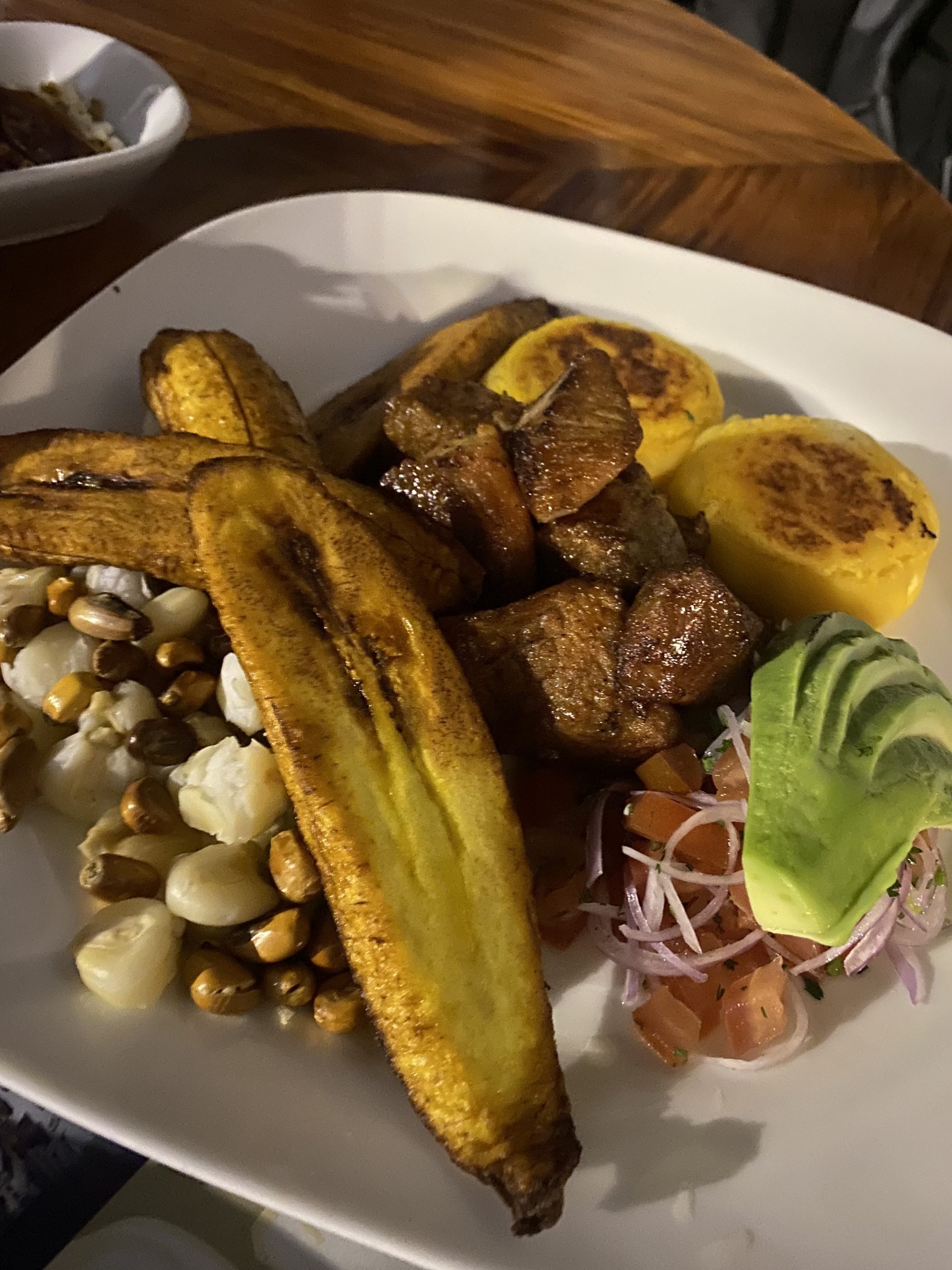
Fritada is a stir-fried pork dish that is served with a variety of sides such as hominy, toasted corn, avocado, ripe plantain, and llapingachos.
- Llapingachos
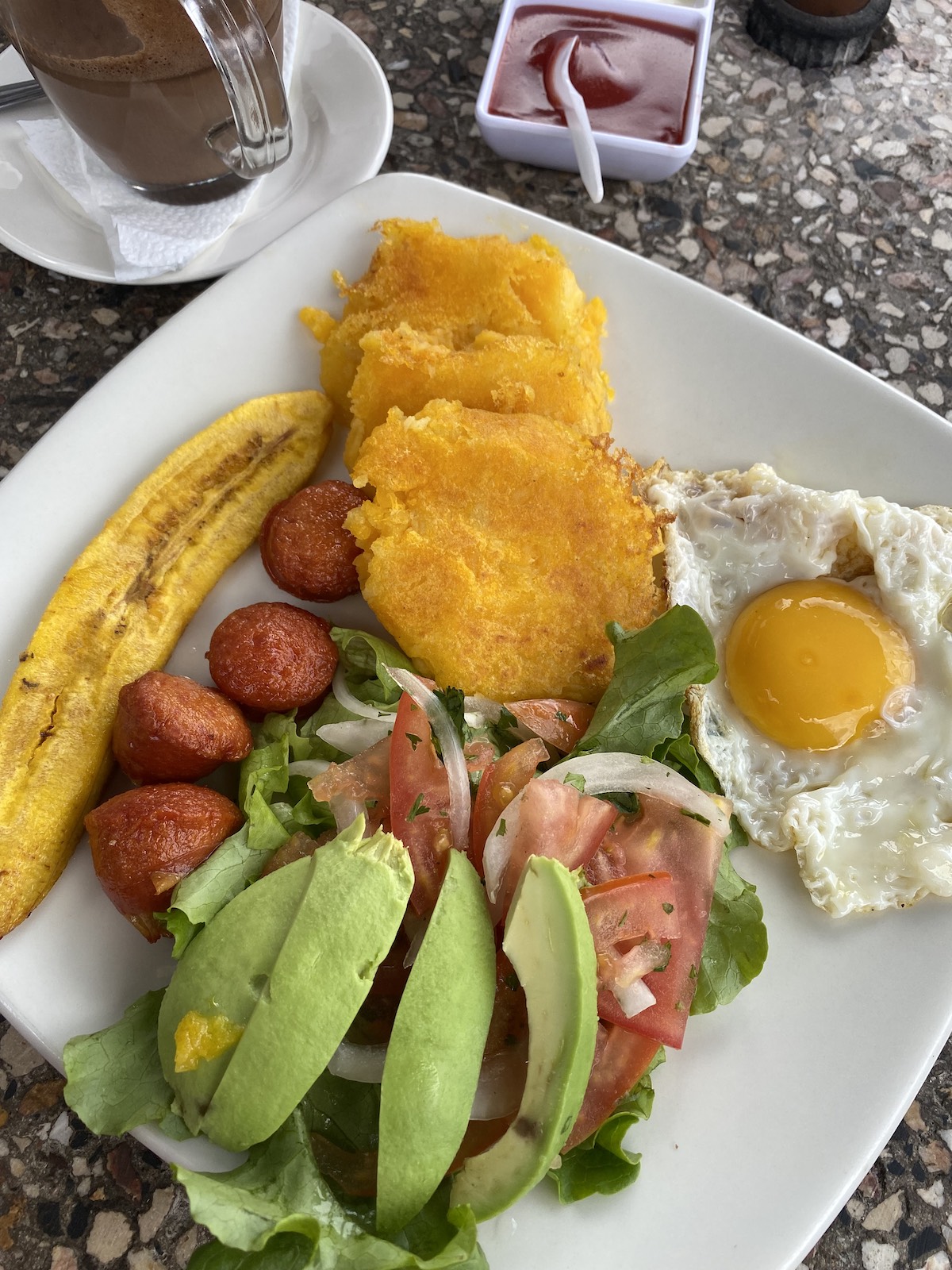
Llapingachos are a delightful Ecuadorian specialty—crispy on the outside with a soft, cheesy filling that melts in your mouth. These potato pancakes, seasoned with onions and stuffed with cheese, are often served as a side dish, but honestly, they’re delicious enough to enjoy on their own. We found them to be the perfect comfort food while exploring Quito, adding that warm, homemade touch to Ecuadorian meals.
- Canelazo
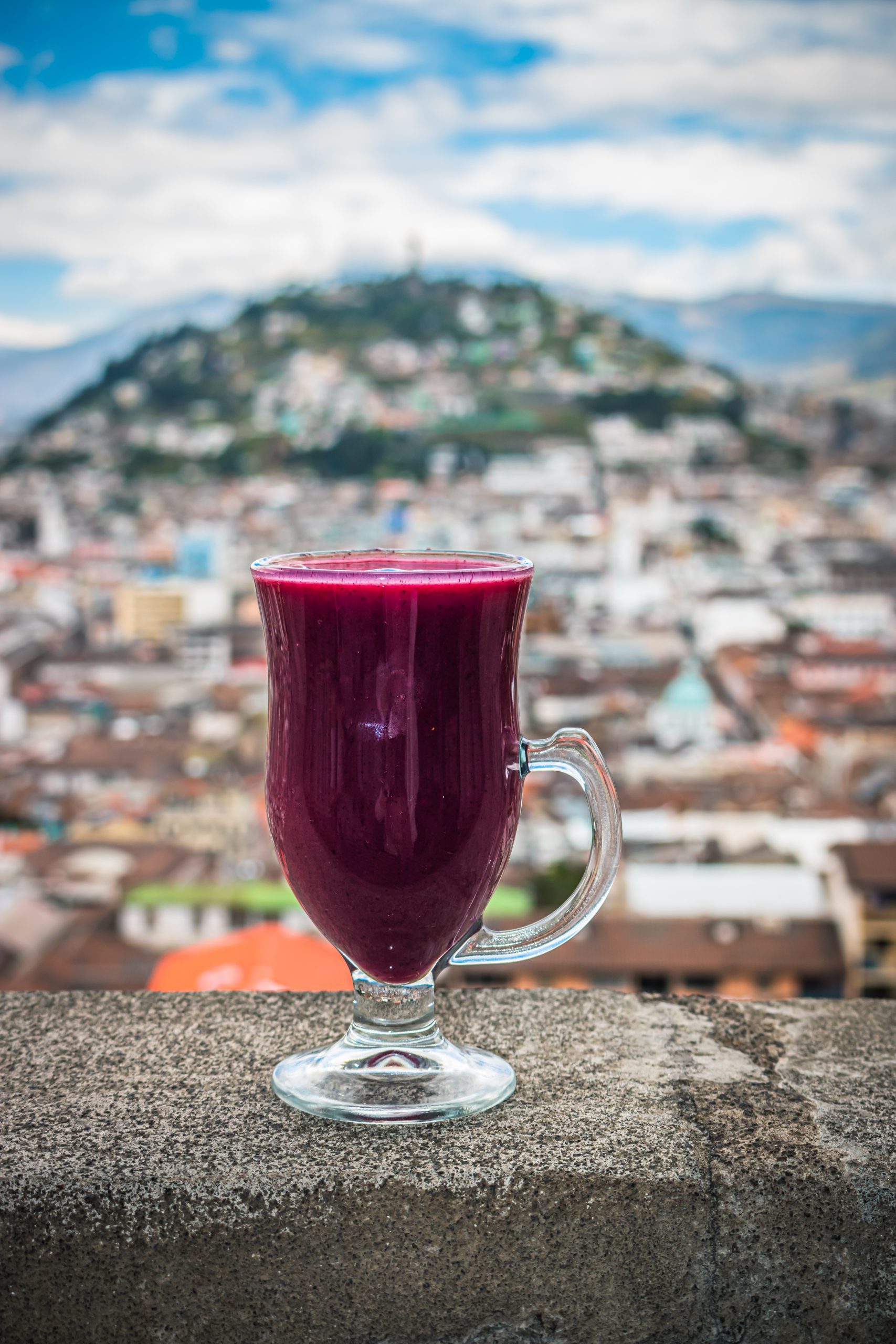
Canelazo is an Ecuadorian staple, especially during chilly evenings. This warm, spiced drink combines cinnamon, sugar, and the tangy flavor of naranjilla fruit juice, giving it a unique, slightly tart twist. Made with aguardiente, a sugarcane-based alcohol, it has just the right kick to keep you cozy. While traditionally enjoyed during the colder months, Quito’s vibrant spots serve canelazo all year. We found it especially delightful as a warm-up after exploring the city’s high-altitude streets.
- Mote con chicarron
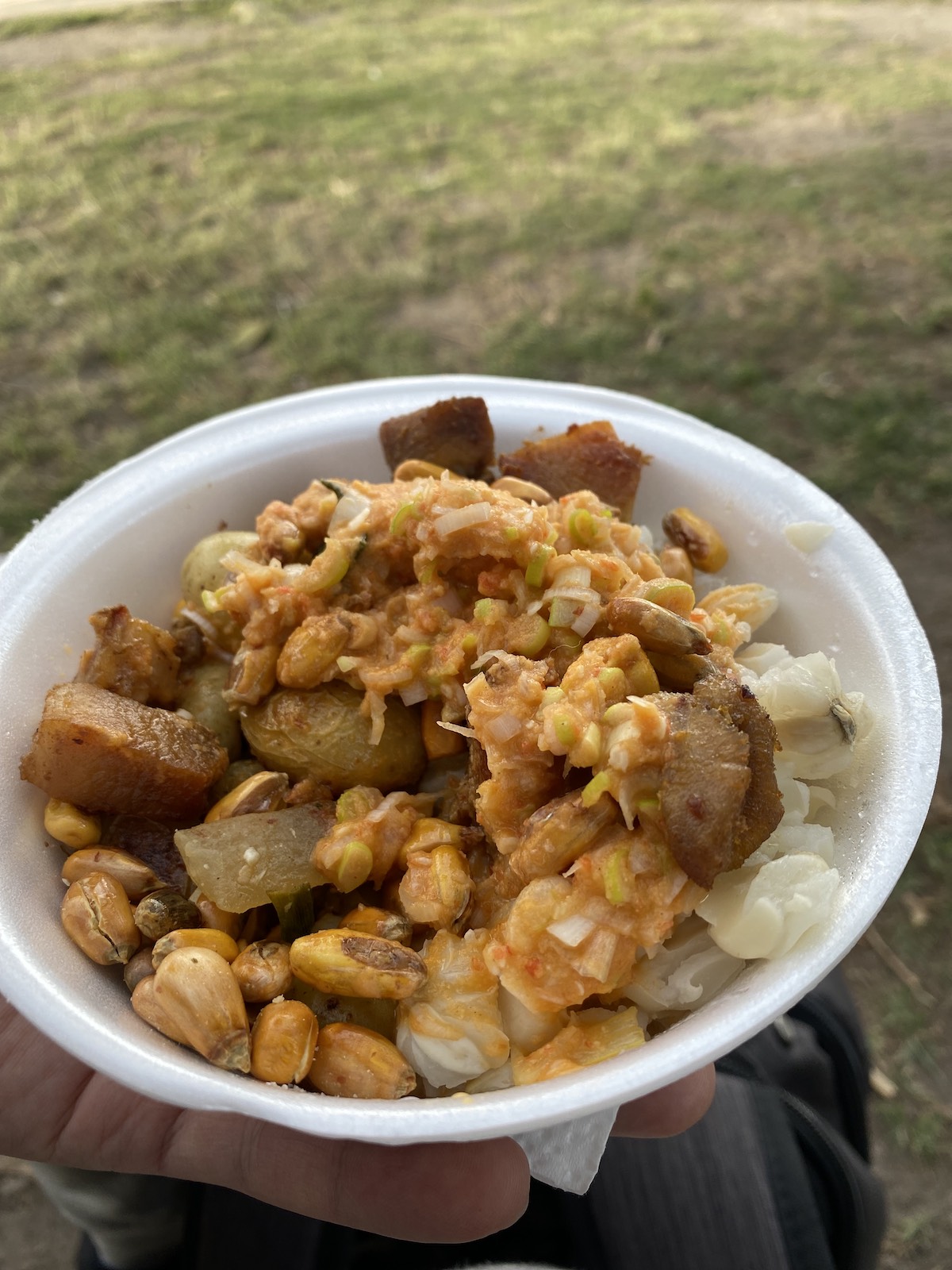
Mote con chicarron is one of the most popular street food in Quito. The cost is only $2!
Make sure to check our Quito’s restaurant guide.
Where To Stay In Quito?
Now operates as Viajero Quito Hostel.
Quito has hostels and Airbnbs. The Community Hostel, The Secret Garden and Masaya Hostel sit in the heart of Old Town for budget travelers. Hotel San Francisco Quito and Kitu Hotel offer good value, Kitu near Plaza Foch nightlife. Casa San Marcos and Hotel Patio Andaluz are classier choices, and private residences suit longer stays.
| Option | Budget level | Who it suits |
|---|---|---|
| The Community Hostel | Budget | Old Town center on a budget |
| The Secret Garden | Budget | rooftop bar with a city view |
| Masaya Hostel Quito | Budget | affordable charm in Old Town |
| Hotel San Francisco Quito | Mid-range | value in the historic town |
| Kitu Hotel | Mid-range | nightlife near Plaza Foch with breakfast |
| Casa San Marcos Hotel Boutique | Upscale | classy and modern with classical charm |
| Hotel Patio Andaluz | Upscale | comfort with parking and breakfast |
There are a lot of choices when it comes to accommodations in Quito. From hostels to Airbnbs to boutique hotels, you will never run out of options!
Hostels
We are naming a few favorite hostels in Quito below which are perfect for budget conscious travelers.
- The Community Hostel
This hostel’s location is ideal as it sits right in the center of the Old Town. Their dorm beds’ nightly rate starts at USD10. Check the current price here.
- The Secret Garden
A popular hostel in Quito with great reviews is The Secret Garden. They have a rooftop bar with a garden where you can enjoy the amazing city view of Quito. Their dorm beds’ nightly rate also starts at USD10. Check the current price here.
- Masaya Hostel Quito
Masaya Hostel is another charming and affordable choice in the heart of Old Town. Their dorm beds are also priced starting at USD10. Check the current price here.
Hotels
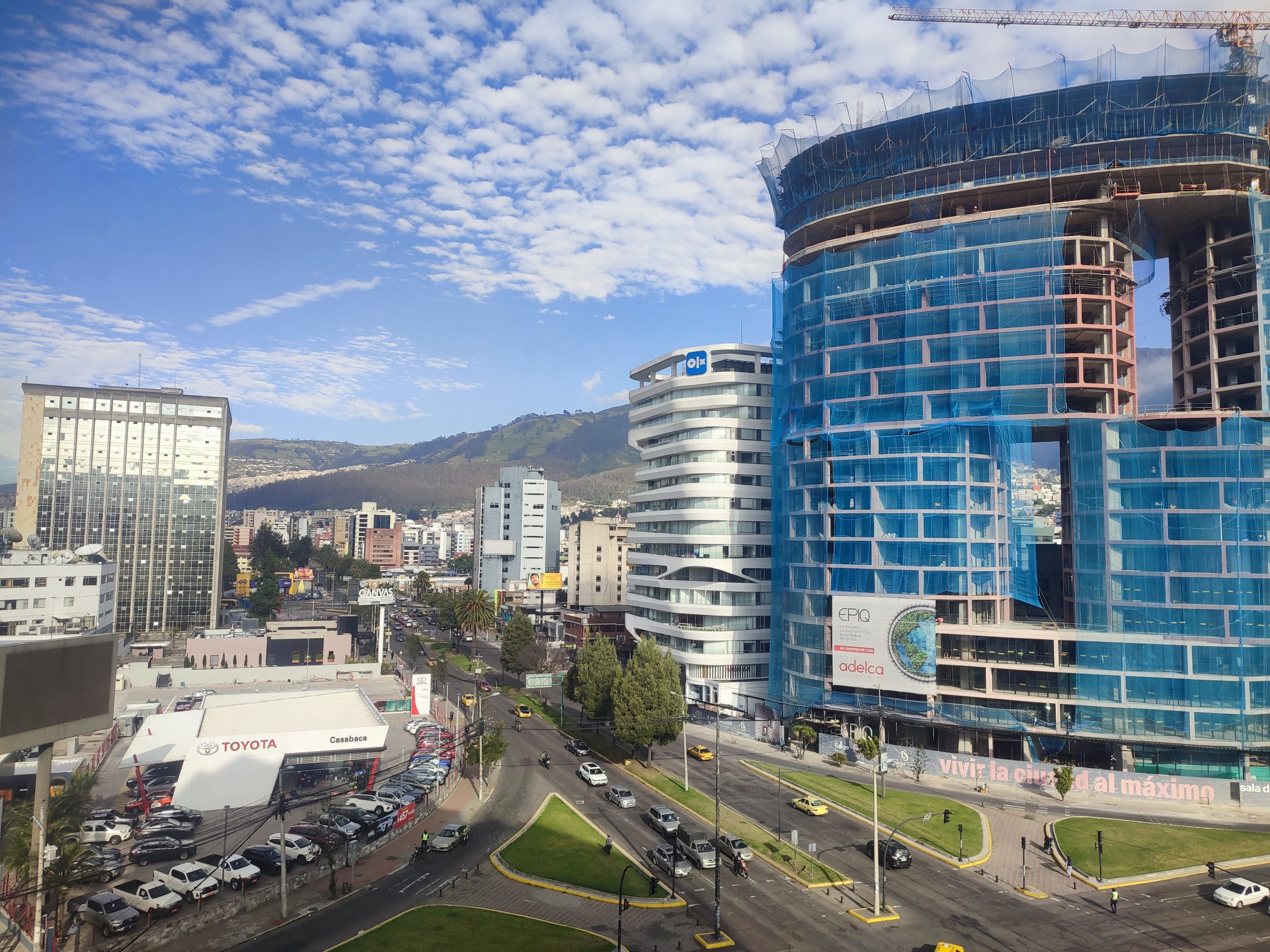
We also made a list of hotels that are excellent value for money.
- Hotel San Francisco Quito
A delightful and affordable hotel located in the heart of the historic town. Their rates start at USD60. Check the current price here.
- Kitu Hotel
If you want to stay near Plaza Foch and have accessible nightlife, Kitu Hotel is a great option. The nightly rates switch breakfast starts at USD50. Check the current price here.
- Casa San Marcos Hotel Boutique
If you prefer something classy and modern but want to stay in the Old Town area, Casa San Marcos Boutique Hotel might be the right place for you. It offers the conveniences of the modern world while having antique and classical charm. If you have a budget above USD150 then you might want to consider this place. Check the current price here.
- Hotel Patio Andaluz
An upscale boutique hotel near Parque La Carolina. They offer free parking and a breakfast buffet. Their nightly rates are around USD200. Check the current price here.
Private Residences
For longer stays, it is more affordable to book a private residenced instead. There are so many AirBnbs in Quito that you can choose from but we are only mentioning a couple of homes here that you could check.
- Ithchimbia Garden
It is a charming colonial house located near the Old Town. The place is charming and colorful with a beautiful garden. Their price ranges from USD30 per night. Check the current price and photos here.
- Casa De Los Leones
A little on the luxurious side, Casa De Los Leones has an amazing interior design. It has a chic contemporary style with a majestic view of the historic center. Not to mention a private jacuzzi, terrace, and gardens. Their nightly rate starts at USD70. Check the current price and photos here.
Overall, we found Quito to be a safe and welcoming place to explore, though we made sure to stay vigilant and keep an eye on our belongings. Quito is definitely worth visiting. We packed a lot into just three to four days and felt we saw so much of what makes this city special. And if you’re considering a longer stay, it’s absolutely worth it, though Ecuador as a whole has countless incredible spots to explore beyond Quito!
How Do You Get To Quito, Ecuador?
From Mariscal Sucre International Airport, an official taxi takes 45 to 60 minutes and costs USD 25 to 40, while a bus needs 60 to 90 minutes for USD 2. From Guayaquil, the bus ride lasts 8 to 9 hours and costs USD 14.66, or a flight takes about 55 minutes.
| Route | Mode | Time | Cost, one way |
|---|---|---|---|
| Airport to the city | Official taxi | 45 to 60 min | USD 25 to 40 |
| Airport to the city | Bus | 60 to 90 min | USD 2 |
| From Guayaquil | Bus | 8 to 9 hours | USD 14.66 |
| From Guayaquil | Flight | about 55 min | Varies by date |
What Is Transport In Quito Like?
We used metered taxis frequently, sometimes negotiating fares while staying cautious about overpaying. Uber is widely used with similar or cheaper rates, and it removed language barriers since we speak little Spanish. Ecovía, trams and buses are affordable but get extremely crowded at peak hours, so we preferred taxis or Uber for shorter trips.
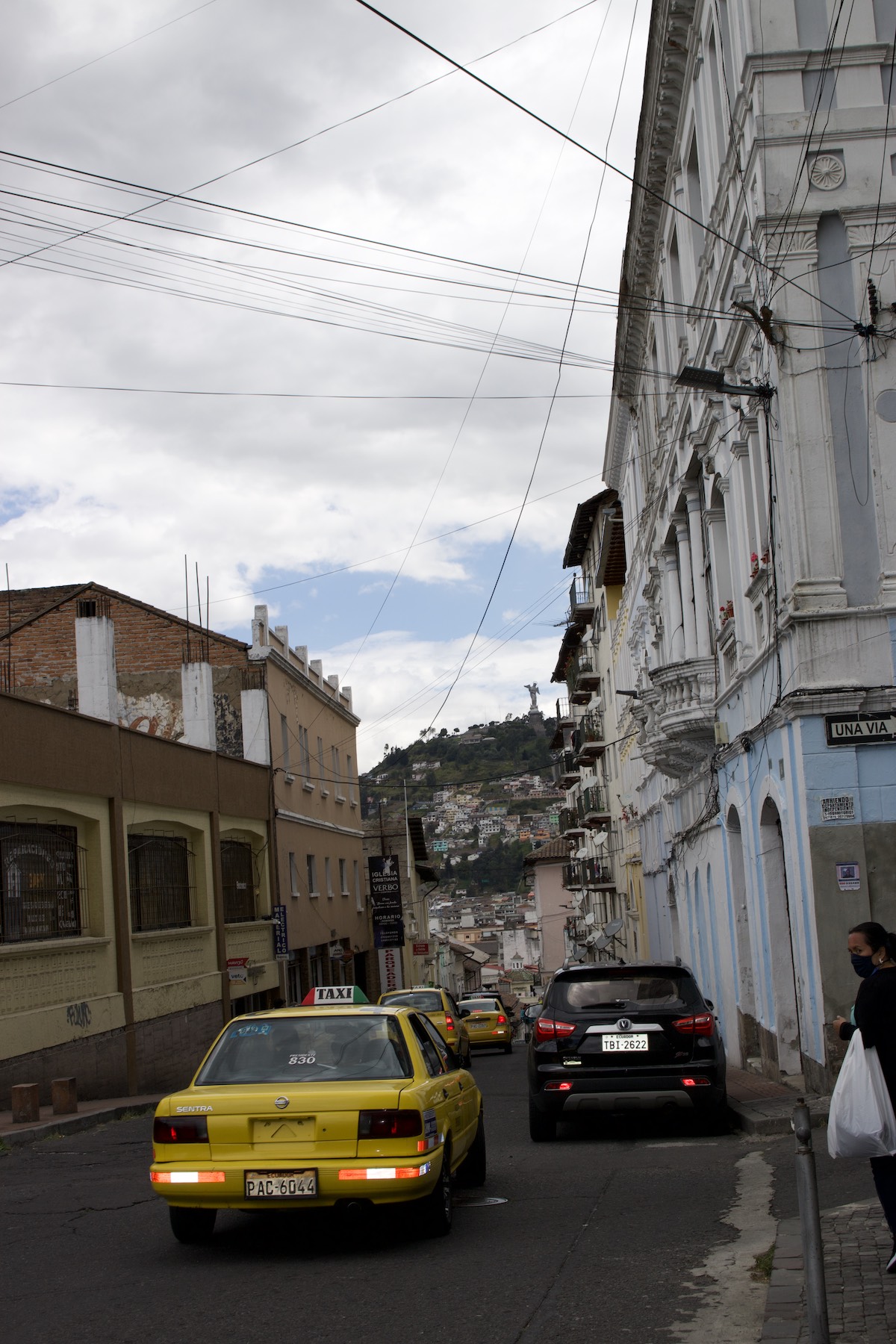
- Metered taxis are easy to find in Quito, and we used them frequently during our stay. My wife and I sometimes negotiated with cab drivers for specific destinations to get a good deal, but we quickly learned to be cautious with negotiating to avoid overpaying compared to the standard rate.
- We also found Uber to be a convenient alternative; it’s widely used in Quito and often has rates similar to, or even cheaper than, metered taxis. Since we don’t speak much Spanish, Uber was especially helpful because it eliminated any language barriers, making it a reliable option.
- For public transportation, Quito offers Ecovía, trams, and buses, which are affordable and cover a lot of ground. However, we noticed they can get extremely crowded during peak hours, which makes them more prone to pickpockets. For shorter trips, we preferred taxis or Uber for comfort and peace of mind.
What Is The Altitude, Climate And Weather In Quito?
Quito's subtropical highland climate keeps the weather unpredictable, so we carried a rain jacket or foldable umbrella even in the driest months. At nearly 3,000 meters, we felt the altitude and it took a few days to acclimate. Average highs stay near 20 to 21 degrees, with lows near 8 to 9.
| Month | Average high | Average low | Rain |
|---|---|---|---|
| January | 20.3 °C | 8.6 °C | 81.3 mm |
| February | 20.2 °C | 8.7 °C | 109.1 mm |
| March | 20.4 °C | 8.8 °C | 142.4 mm |
| April | 20.3 °C | 9 °C | 168.2 mm |
| May | 20.5 °C | 9 °C | 120.5 mm |
| June | 20.9 °C | 8.5 °C | 41.3 mm |
| July | 21.3 °C | 8.2 °C | 22 mm |
| August | 21.6 °C | 8.1 °C | 31.5 mm |
| September | 21.4 °C | 8.4 °C | 69.4 mm |
| October | 20.8 °C | 8.6 °C | 112.1 mm |
| November | 20.1 °C | 8.5 °C | 108.5 mm |
| December | 20.2 °C | 8.6 °C | 93.6 mm |
Monthly averages from the Quito, Mariscal Sucre International Airport station, 1991 to 2020.
Quito’s subtropical highland climate keeps the weather unpredictable, so my wife and I made sure to carry a rain jacket or foldable umbrella whenever we ventured outside. Even during the driest months, from June to August, there can still be occasional showers, so being prepared really paid off for us.
At nearly 3,000 meters above sea level, Quito ranks as one of the highest capital cities globally. We felt the effects of the altitude right away, and I realized it can take a few days to acclimate. Before our trip, we took ChlorOxygen for about 1-2 weeks, which helped us adjust better and eased the experience of being at such high altitudes.
What Safety Tips Should You Follow In Quito, Ecuador?
Carry your IDs at all times and use sunscreen. Beware of pickpockets at crowded tourist spots. Ecuador is rated Level 2, exercise increased caution. Daytime walking in the Centro Histórico, La Carolina and La Floresta is generally fine with standard precautions; at night avoid poorly lit streets and use licensed transport.
Safety Tips While Exploring Quito Ecuador
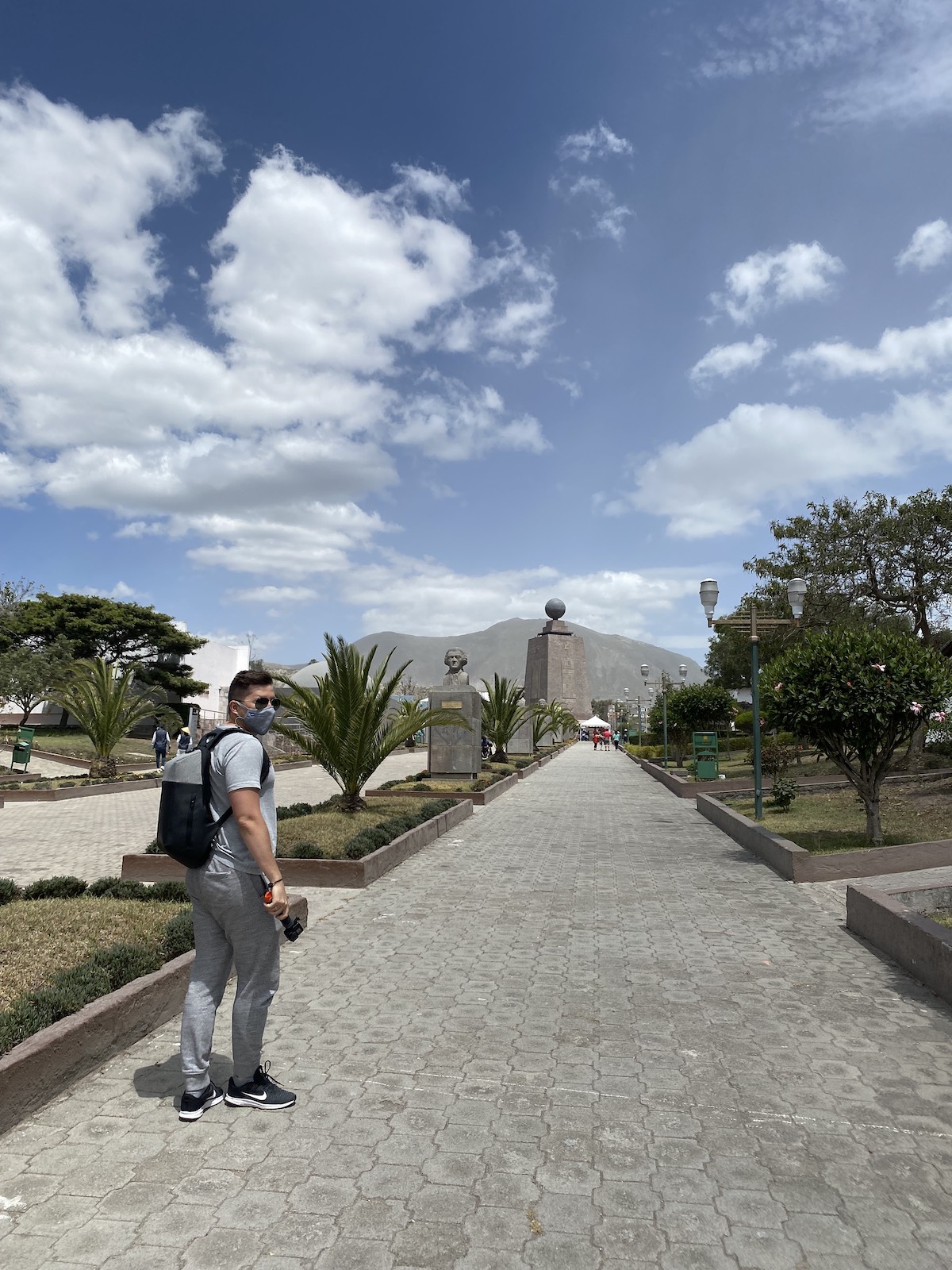
- Do not forget to always bring your IDs with you — as a traveler, this is essential.
- Use sunscreens as the sunlight in Quito hit your skin differently because of the equatorial and altitude location. I’d recommend taking ChlorOxygen before the trip so it’s easier to deal with high altitudes.
- Just like any other destination, beware of pickpockets. Pickpockets are everywhere and they usually take advantage of crowded tourist spots.
What Budget Do You Need For Quito, Ecuador?
The bus from the airport costs USD 2, while an official taxi runs USD 25 to 40. Entry or tour prices include TelefériQo at USD 9, Basílica del Voto Nacional at USD 4 and Ciudad Mitad del Mundo at USD 5, while Parque La Carolina is free. The bus from Guayaquil costs USD 14.66.
| Item | Cost |
|---|---|
| Airport to the city: Official taxi | USD 25 to 40 |
| Airport to the city: Bus | USD 2 |
| From Guayaquil: Bus | USD 14.66 |
| TelefériQo | USD 9 |
| Basílica del Voto Nacional | USD 4 |
| Ciudad Mitad del Mundo | USD 5 |
Planning trip to Ecuador?
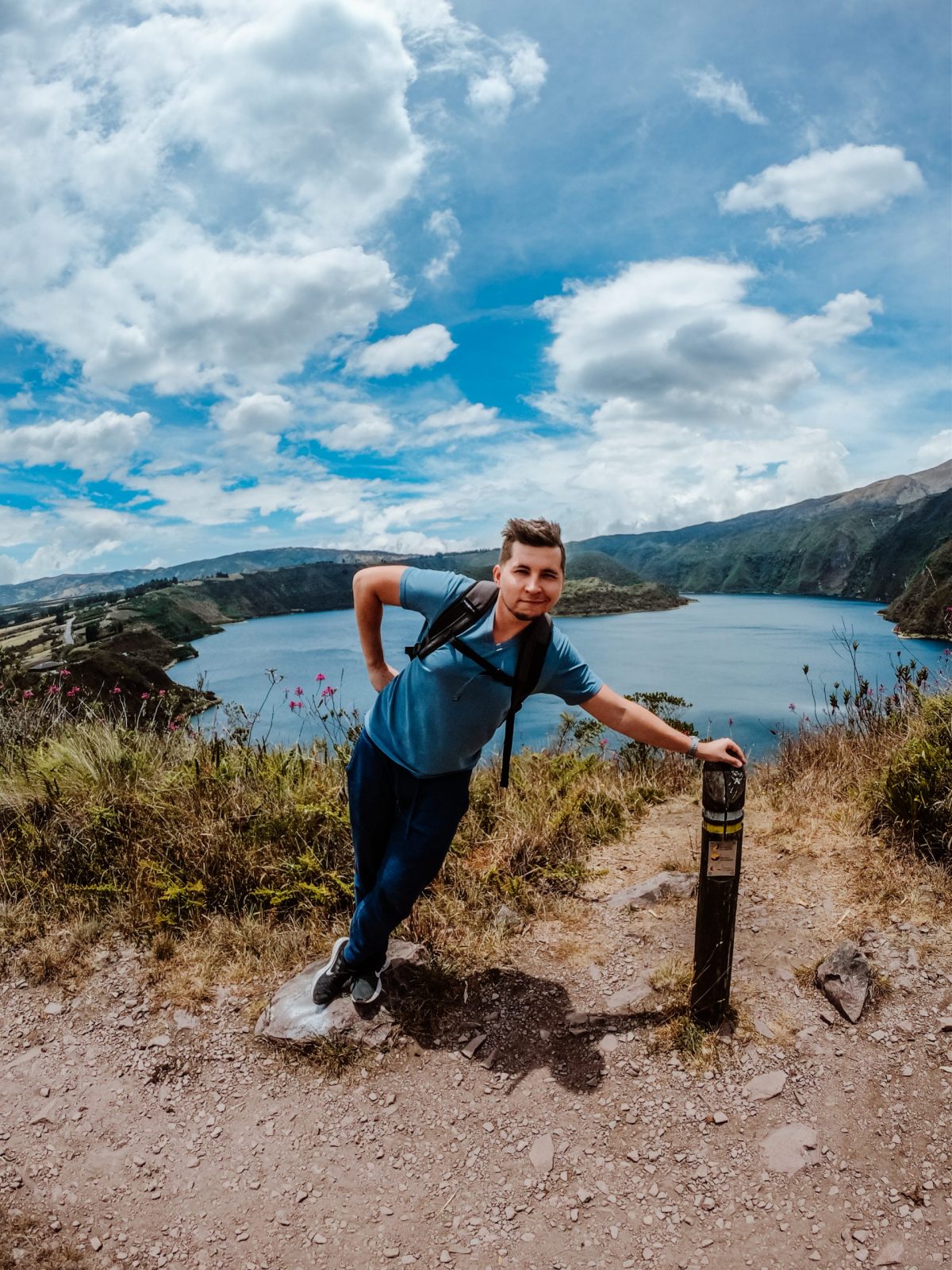
My wife and I spent 15 days traveling from the northern part of Ecuador to the south, 11 of them in a rental car, visiting amazing cities like Quito, Otavalo, Baños, Cuenca, and Guayaquil. Along the way, we explored iconic places such as Cotopaxi National Park, Quilotoa Lake, and many more breathtaking destinations.
Not many blogs cover traveling in Ecuador in detail, so I spent nearly three weeks creating this comprehensive Ecuador travel guide based on our trip. It’s packed with everything you need to know, and honestly, I consider it the best free travel guide about Ecuador out there.
If you’re planning a trip to Ecuador, don’t forget to use my link for discounted hotel prices through Booking.com. It’s a great way to support my blog while saving money on your accommodations!
Questions About Quito
Is Quito, Ecuador worth visiting?
Quito's historic centre was designated a UNESCO World Heritage Site in 1978 and is one of Latin America's best-preserved colonial centres. The city has museums, markets and Andean views. It is also the base for the TelefériQo cable car, Mitad del Mundo and day trips from the city.
How many days in Quito is enough?
For Quito, Ecuador, three to four days is enough to cover the historic centre, museums and viewpoints such as the TelefériQo cable car and the Mitad del Mundo equator site. Four days is preferred when you also need extra time to acclimatise to the altitude.
Is it safe to walk around in Quito?
The US State Department rates Ecuador Level 2, exercise increased caution, with higher levels for named areas, in an advisory issued 14 October 2025. In Quito, daytime walking in the Centro Histórico, La Carolina and La Floresta is generally fine with standard precautions. At night, avoid poorly lit streets and use licensed transport.
What is the best month to go to Quito, Ecuador?
June to September are the driest months at the airport station, with 22 to 69 mm of rain a month against 81 to 168 mm from January to May, based on 1991 to 2020 averages. Temperatures stay mild all year, with highs near 20 to 21 degrees C and lows near 8 to 9 degrees C.
Will I get altitude sickness in Quito?
Quito sits at 2,850 m above sea level. Not every visitor feels symptoms. Some visitors feel a headache or tiredness in the first 6 to 12 hours after arriving, and the official guidance is 24 to 48 hours of gradual acclimatisation with water, light activity and rest.
Can I drink the tap water in Quito, Ecuador?
The municipal water utility EPMAPS says Quito tap water meets the INEN 1108 drinking water standard and that the supply is treated and disinfected at several plants. It states the water is safe to drink without boiling or filtering under normal conditions in the city.
Is Quito safer than Guayaquil?
The US advisory of 14 October 2025 lists Guayaquil south of Avenida Portete de Tarqui at Level 4, do not travel, and the rest of the city at Level 3. Ecuador overall is Level 2, and violence is concentrated in coastal provinces including parts of Guayaquil, while Quito has seen more patrols in tourist zones.
Why is it so cold in Quito, Ecuador?
Quito is at 2,850 m above sea level, high in the Andes. At this altitude, a subtropical highland climate gives mild temperatures all year. Daytime highs are around 20 to 21 degrees C and nights are cooler, with little seasonal swing, so temperatures change little through the year.
Map Of The Places In Quito
Every pin is a place named in this guide.
Places on the map
- 1 Basílica del Voto Nacional
- 2 TelefériQo
- 3 Ciudad Mitad del Mundo
- 4 Parque La Carolina
- 5 Iglesia de la Compañía de Jesús
- 6 Convento de San Francisco
- 7 Iglesia de Santo Domingo
- 8 Museo de la Ciudad
- 9 Hotel San Francisco de Quito
- 10 Hotel Patio Andaluz
- 11 Casa San Marcos
- 12 Plaza de la Independencia (Plaza Grande)