Galapaguera de Cerro Colorado, San Cristobal, Galapagos
Quick Facts About The Galapaguera De Cerro Colorado
| What it is | A giant tortoise breeding center on San Cristóbal, also called the Jacinto Gordillo Breeding Center |
|---|---|
| Distance | About 22 km from Puerto Baquerizo Moreno |
| Getting there | On a San Cristóbal highlands tour or by taxi, agreeing the fare and the waiting time in advance |
| What you see | Baby tortoises in semi-natural enclosures, informational trails, a visitor center with talks |
| Tortoise species | The San Cristóbal giant tortoise (Geochelone chatamensis) |
Our Take On The Galapaguera De Cerro Colorado
At the Galapaguera de Cerro Colorado we enjoyed exploring the informational trails and watching baby tortoises in their semi-natural enclosures. The visitor center offered insightful talks on the natural history of giant tortoises. Visiting this site was truly worthwhile for us. We left with a renewed commitment to environmental care.
The Galapagos Islands are indeed a remarkable place to observe the giant tortoise, one of the many incredible species preserved here. The islands have become well-known for their dedication to the conservation of endangered species, especially the giant tortoises.
On San Cristobal, one of the centers where we could see these impressive creatures up close was the Galapaguera de Cerro Colorado, a tortoise breeding center devoted to their protection and growth.
Where Can I See Giant Tortoises In Galapagos?
The Galapaguera de Cerro Colorado, on the southeastern side of San Cristobal, is a breeding center set up to support the island's tortoise, Geochelone chatamensis. It keeps a semi-natural environment where young tortoises hatch without incubators, which have rarely been needed since the first baby tortoise, Genesis, hatched here in 2005.
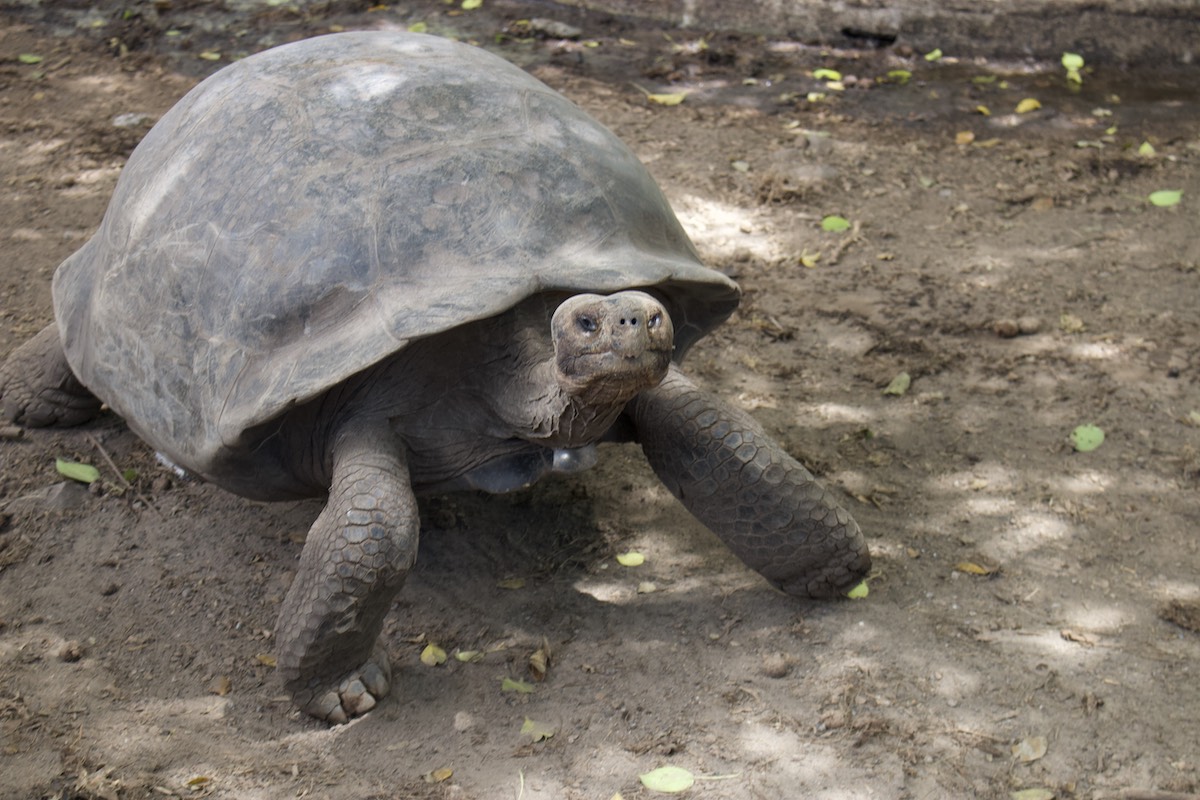
La Galapaguera de Cerro Colorado, situated on the southeastern side of San Cristobal, offers a unique experience in tortoise conservation. This reserve was established to support the population of the island’s tortoises, specifically the Geochelone chatamensis. It’s one of the few places where we could also spot the Calandrinia galapagosa, a rare plant species native to San Cristobal, now nearing extinction.
Unlike some other centers, the Galapaguera maintains a semi-natural environment where young tortoises hatch without needing incubators. Although incubators are available for extra security, they have rarely been needed since the first baby tortoise, named Genesis, hatched here in 2005. The main goal is to boost the survival rates of young tortoises that would otherwise be highly vulnerable to introduced predators.
The 6-hectare reserve has local craft shops and is encircled by a stone wall to protect the tortoises. This setting is ideal for the Galapaguera, as it mirrors the natural habitat of the tortoises found elsewhere on the island, making it a meaningful stop for anyone interested in Galapagos conservation efforts.
What Can You Expect At The Galapaguera De Cerro Colorado?
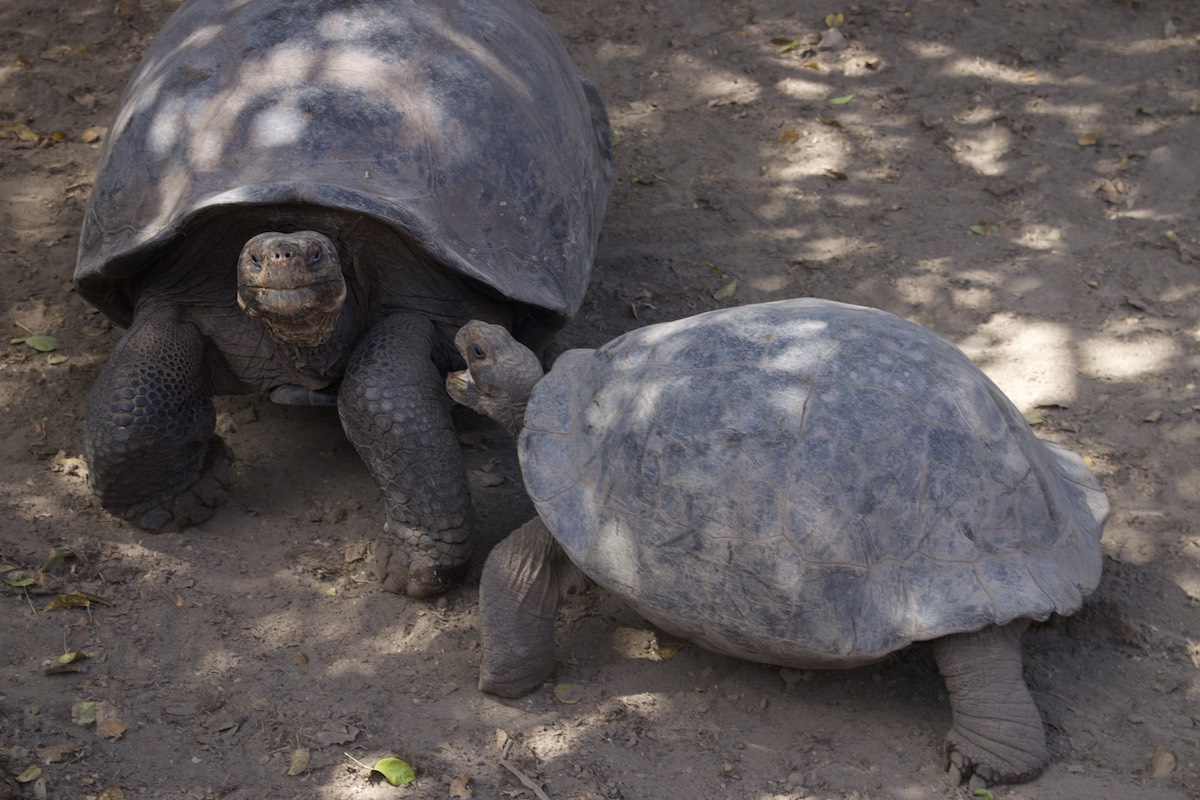
Visitors walk informational trails through semi-natural enclosures where baby tortoises live. These herbivores spend over 16 hours a day grazing on grass, leaves, and cacti. At the visitor center, talks cover the natural history of giant tortoises. San Cristobal males show the saddle-backed shape, while females and younger males have domed shells.
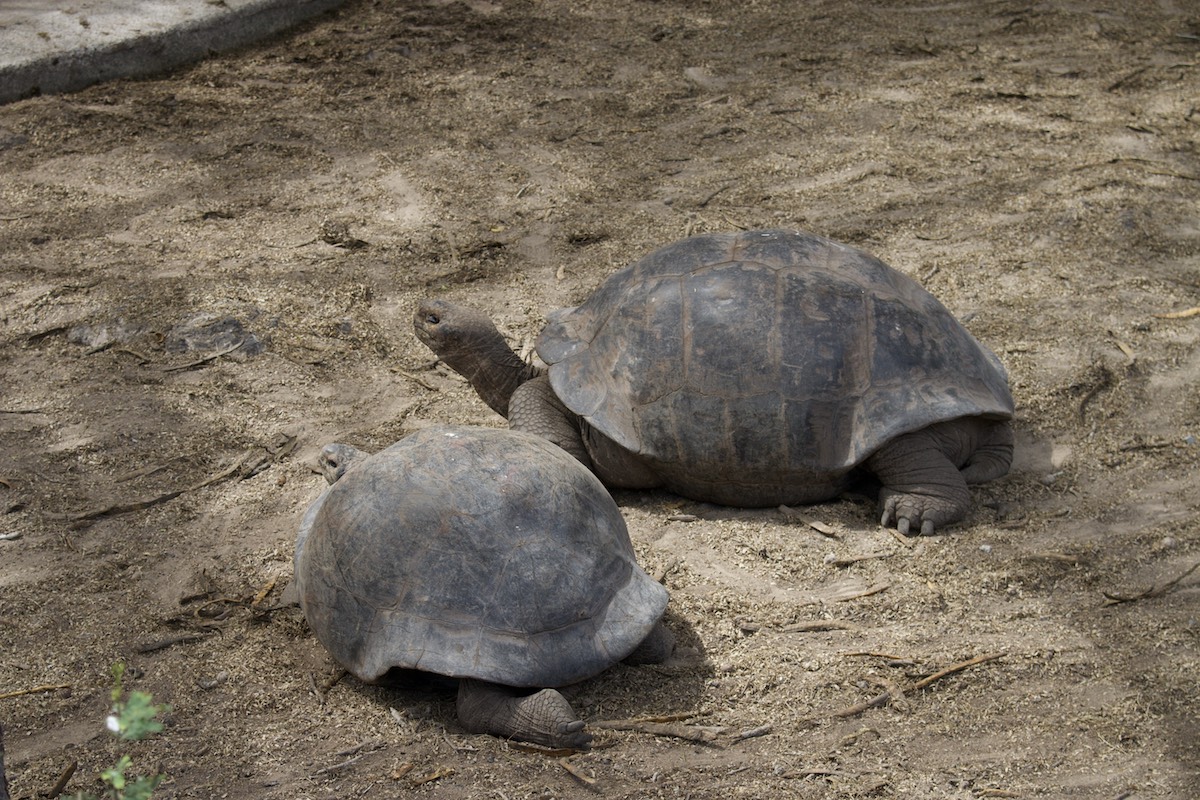
At the Galapaguera de Cerro Colorado, we enjoyed exploring the informational trails winding through the reserve, allowing us to observe baby tortoises in their semi-natural enclosures. These fascinating herbivores, who spend over 16 hours a day grazing on grass, leaves, and cacti, seem to have life mastered—they spend their time basking, munching, and resting. Thanks to their slow metabolism and substantial internal water storage, these tortoises can survive up to a year without food or water!
The visitor center also offered insightful talks on the natural history of giant tortoises, exploring the unique traits of San Cristóbal‘s tortoises compared to those found on other islands. While tortoise size and shell shape vary significantly across the Galápagos, there are two main types: the larger, domed carapace, suited to humid, highland islands, and the saddle-backed carapace, adapted to drier islands where food can be scarce.
Interestingly, the San Cristóbal tortoises show both types: the males exhibit the saddle-backed shape, while the females and younger males have more domed shells, which are broader in the center. This blend of features highlights the fascinating adaptations of tortoises across the Galápagos and makes the Galapaguera a perfect spot to learn more about these remarkable creatures.
How Do You Get To The Galapaguera De Cerro Colorado?
The Galapaguera, also called the Jacinto Gordillo Breeding Center, lies about 22 kilometers from Puerto Baquerizo Moreno. A San Cristobal highlands tour typically includes a stop at the breeding center. Travelers can hire a taxi, negotiating the fare in advance and agreeing how much time the visit will take so the driver can plan accordingly.
The Jacinto Gordillo Breeding Center, or “Galapaguera,” is a must-visit destination located on the northeast coast of San Cristobal Island, about 22 kilometers from Puerto Baquerizo Moreno. A great way to visit Galapaguerra de Cerro Colorado is by joining a San Cristobal Highlands tour, which typically includes a stop at this fascinating tortoise sanctuary. If you prefer a self-guided adventure, you can also hire a taxi for the journey. Just remember to negotiate the fare in advance and agree on how much time you’ll need, so your driver can plan accordingly.
When Should You Visit The Galapaguera De Cerro Colorado?
The reserve is open for visits throughout the year. We recommend going early in the morning, when it is cooler, because afternoons can get quite hot. Be ready for a moderate trek into the wilderness along a volcanic gravel trail for the best tortoise viewing experience.
The Galapaguera tortoise reserve is open for visits throughout the year. We recommend going early in the morning when it’s cooler, as the afternoon can get quite hot. Be ready for a moderate trek into the wilderness along a volcanic gravel trail for the best tortoise viewing experience.
What Other Species Live In The Galapaguera De Cerro Colorado?
Aside from the giant tortoises and baby tortoises, other species live in the area. Birdlife includes Darwin's finches, the Galapagos dove, the Galapagos mockingbird, and the Galapagos rail. Reptiles such as the Galapagos lava lizard and the Galapagos marine iguana are there too, along with the Galapagos red bat.
Aside from the tortoises and baby turtles, there are also other animals to see in the area such as:
- Darwin’s Finches
- Galapagos Dove
- Galapagos Giant Tortoise
- Galapagos Lava Lizard
- Galapagos Marine Iguana
- Galapagos Mockingbird
- Galapagos Rail
- Galapagos Red Bat
Is The Galapaguera De Cerro Colorado Worth Visiting?
For us, adding the Galapaguera de Cerro Colorado, or Jacinto Gordillo Breeding Center, to a Galapagos itinerary is a must. Visiting the site was truly worthwhile; the tour was incredibly educational and gave us a deeper appreciation for giant tortoises and the importance of preserving nature. We left with a renewed commitment to environmental care.
Adding Galapaguerra de Cerro Colorado, or the Jacinto Gordillo Breeding Center, to your Galapagos itinerary is a must. Visiting this site was truly worthwhile for us; the tour was incredibly educational, and it gave us a deeper appreciation for these majestic animals and the importance of preserving nature. After seeing the breeding center firsthand, we left with a renewed commitment to environmental care.
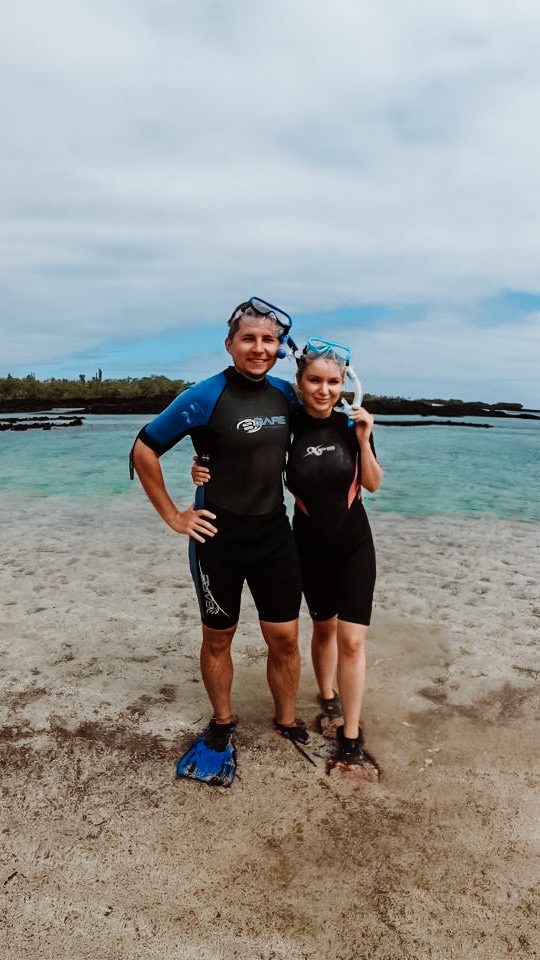
Planning trip to Galapagos Islands?
My wife and I spent two weeks on these magnificent islands, visited nearly every possible tour, and explored as much as we could. I shared all the important details in my comprehensive Galapagos Islands Travel Guide, where I cover everything you need to know about planning a trip to the Galapagos.
Galapagos Islands travel might surprise you with extra fees to enter the islands, the complicated logistics between islands, booking tours, and knowing which spots are free to explore and which ones are not. I’ve covered it all in this Galapagos Travel Guide.
Also, if you’re planning a trip to the Galapagos, make sure to use my link for discounted hotel prices via Booking.com. It really helps support my blog!
Questions About The Galapaguera De Cerro Colorado
Where can I see giant tortoises in Galapagos?
On San Cristobal, giant tortoises can be seen up close at the Galapaguera de Cerro Colorado, a tortoise breeding center devoted to their protection and growth. It lies on the southeastern side of the island, and the reserve mirrors the natural tortoise habitat.
What eats a Galápagos tortoise?
Young tortoises are highly vulnerable to introduced predators, which is why the Galapaguera de Cerro Colorado raises them in a semi-natural setting to boost their survival rate. No specific predator is named.
What is a must see in the Galapagos Islands?
The Galapaguera de Cerro Colorado, also called the Jacinto Gordillo Breeding Center, is a must for a San Cristobal itinerary. The visit is described as educational and a lesson in why preserving nature matters, with informational trails and talks on giant tortoises.