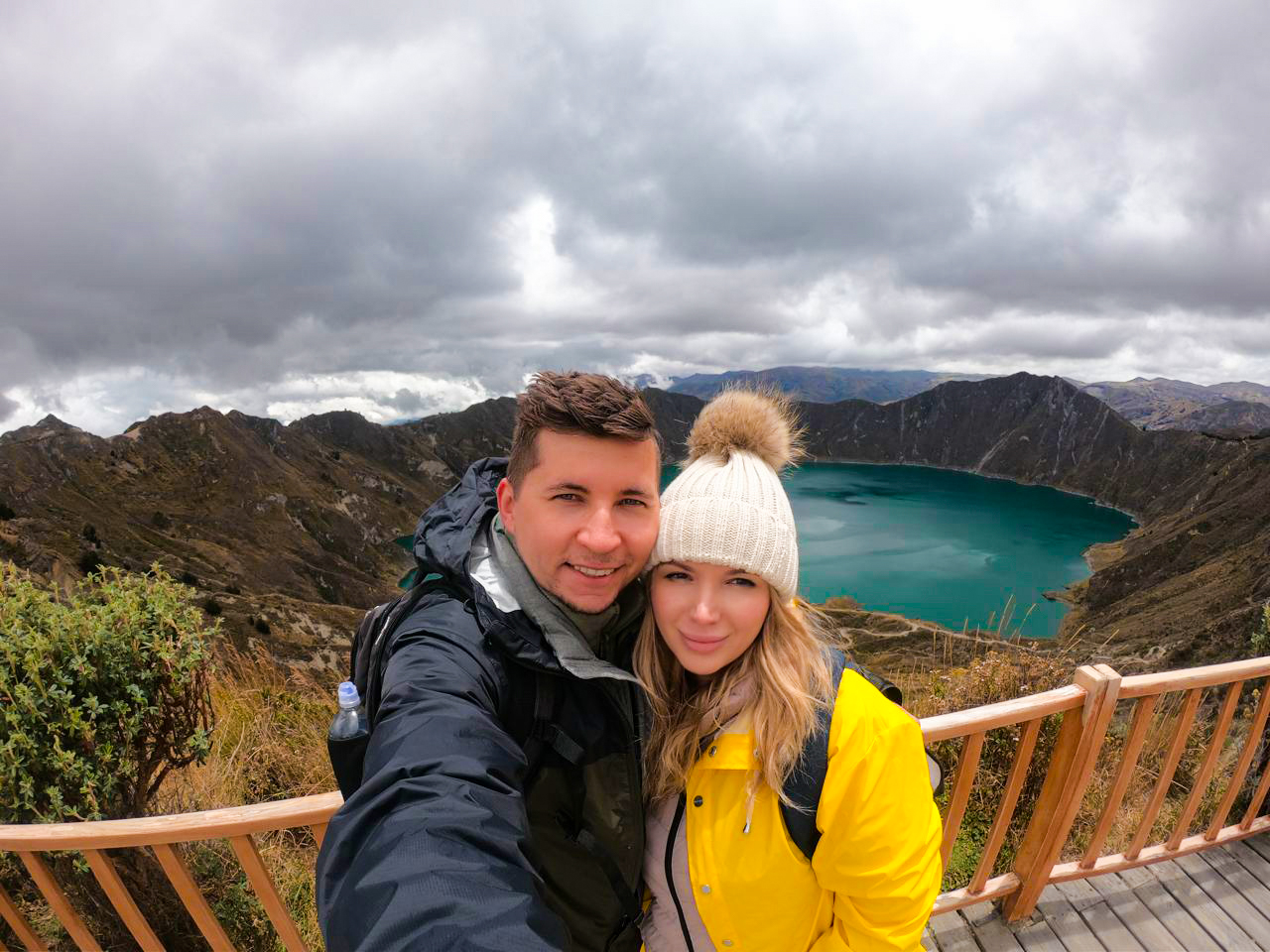
Our Visit to Mosquera Islet Galapagos
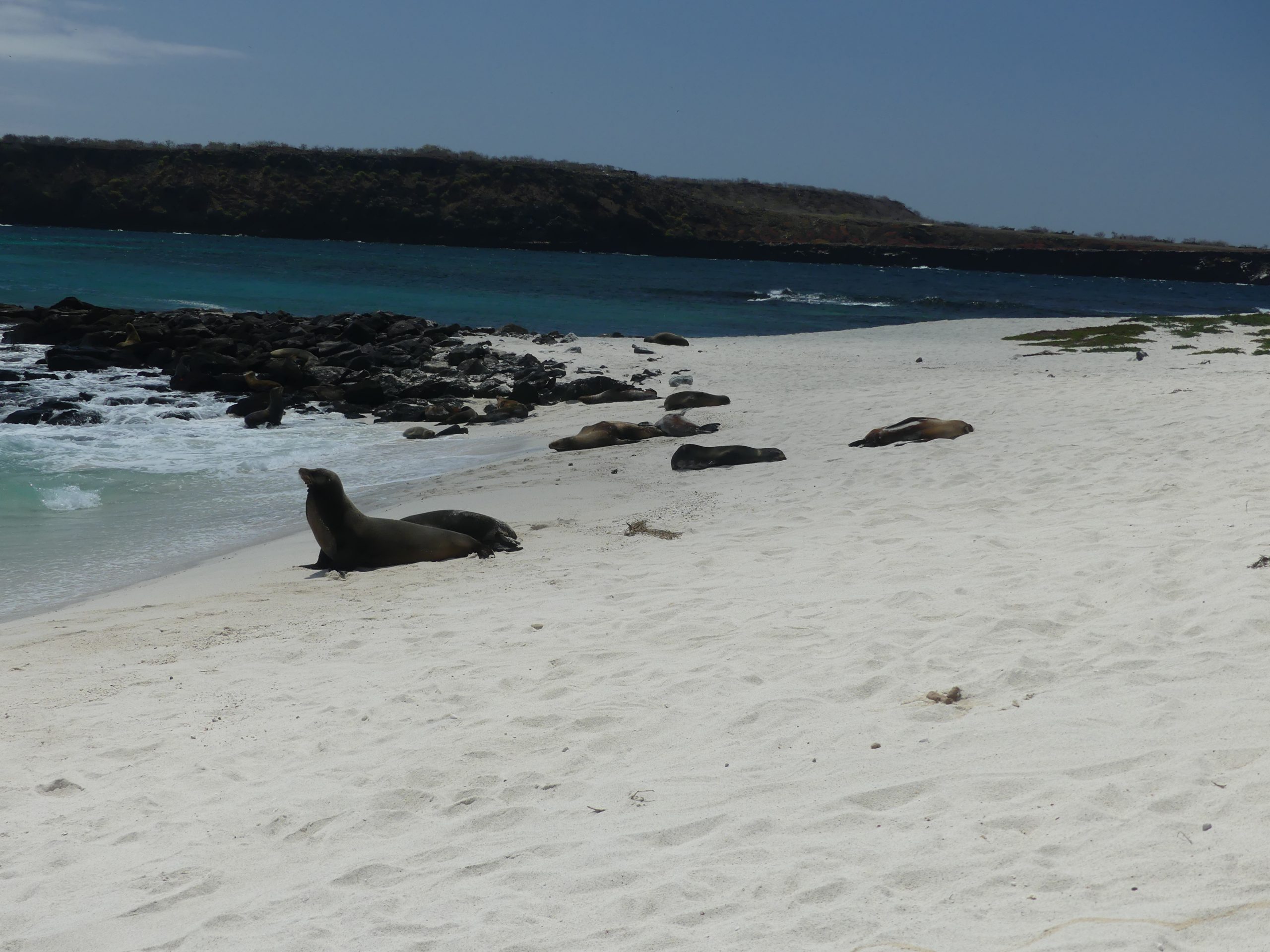
Quick Facts About Mosquera Islet
| Where | A small islet between North Seymour and Baltra, near the airport |
|---|---|
| Visitor site | Official: the park lists it for snorkeling and a walk; one landing area, no set trail |
| How to visit | On cruises (often the first or last stop), some North Seymour day tours from Santa Cruz, or day dives from Puerto Ayora |
| Sea lions | One of the largest colonies in the archipelago |
| Lava gull | Breeds only in the Galápagos; IUCN estimates 600 to 800 mature individuals |
Our Take On Mosquera Islet
After a wet landing on the soft white sand, we were greeted by curious Galapagos sea lions. We walked the length of the beach and enjoyed snorkeling right off the shore. The freedom to explore without set trails made the experience even more special for us.
Mosquera Islet is a small but stunning spot in the Galapagos, with a beautiful white sand beach, striking black lava rocks, and vibrant blue waters. Nestled between North Seymour and Baltra Islands, it’s surrounded by coral reefs, making it a fantastic location for snorkeling and observing marine life.
See where it sits on our Galapagos islands map, with every island and whether you reach it by day tour or only by cruise.
Thanks to its proximity to Baltra Airport, Mosquera is often the first or last stop on many cruise itineraries. Although it’s small, the islet offers an impressive range of unique birds and animals. One of the things we loved most was the freedom to explore without set pathways, allowing us to wander and take in the scenery at our own pace.
How Do You Get To Mosquera Islet?
Mosquera Islet sits close to Baltra Island and the airport. It is mostly visited on a Galapagos cruise, often as the first or last stop. Some North Seymour day tours from Santa Cruz also stop here, and day dives run from Puerto Ayora. Check with the operator that your itinerary includes a stop.
Full guide: How To Get To The Galapagos: Flights, Airports And Fees
Mosquera Islet is conveniently close to Baltra Island and the airport, making it an accessible yet special spot to explore. Mosquera is mostly visited on a Galapagos cruise, and some day tours from Santa Cruz also stop here, so it’s worth checking that your itinerary includes a stop here. For scuba divers, there’s also the option of visiting Mosquera on a day dive from Puerto Ayora on Santa Cruz Island. Occasionally, tours to North Seymour Island also include a stop on Mosquera, giving you another chance to experience its unique charm.
What Wildlife Can You See On Mosquera Islet?
Mosquera Islet hosts one of the largest Galapagos sea lion colonies in the archipelago. It is also a nesting habitat for the lava gull, which breeds only in the Galapagos. Birdwatchers can look for Blue-footed boobies, Brown pelicans, Ruddy Turnstones, Sanderlings, and Lava and Yellow-crowned Herons. In the water, expect tropical fish, sea turtles, and sharks.
- The permanent colony of boisterous Galapagos sea lions on Mosquera Islet is one of the archipelago’s largest colonies.
- Bird enthusiasts are in for a treat! Mosquera is home to a Lava Bird nesting habitat, the world’s rarest gull.
- Other Mosquera birds to keep an eye out for are Blue-footed boobies, Brown pelicans, Ruddy Turnstones, Sanderlings, and Herons (Lava Heron & Yellow-crowned).
- The snorkeling activity in Mosquera is not to be missed. This is one of the greatest sites in the world to go snorkeling with playful sea lions. Look out for tropical fish, sea turtles, and sharks as well.
- If you’re lucky, you could witness Orcas sailing around the area hunting for sea lions.
What Is It Like To Visit Mosquera Islet?
There is a single designated visitor area with no set trail. After a briefing with the naturalist guide, visitors are free to explore the beach on their own. The sea lions often come closer to check out people. Marine iguanas and Sally Lightfoot crabs appear along the beach, and wading shorebirds forage along the shore.
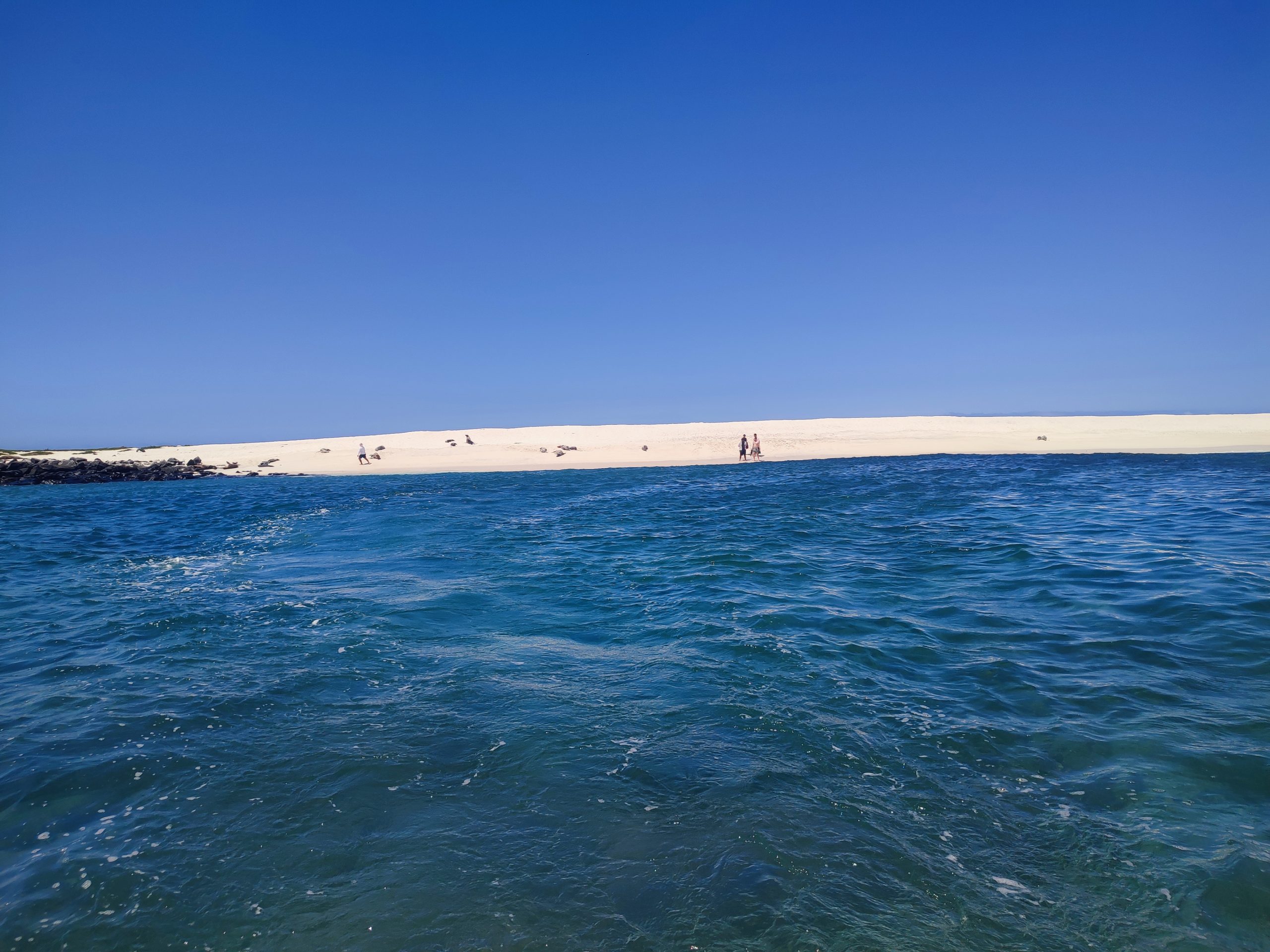
Mosquera Islet has a single designated visitor area, and after a quick briefing with our naturalist guide, we were free to explore the island on our own.
We walked the length of the stunning beach and enjoyed snorkeling right off the shore. The freedom to explore without set trails made the experience even more special, allowing us to fully immerse ourselves in this pristine wilderness.
After a wet landing on the soft white sand, we were greeted by curious Galapagos sea lions, who often come closer to check out human visitors. Along the beach, we also spotted marine iguanas and the vibrant Sally Lightfoot crabs—each creature adding to the island’s unique charm.
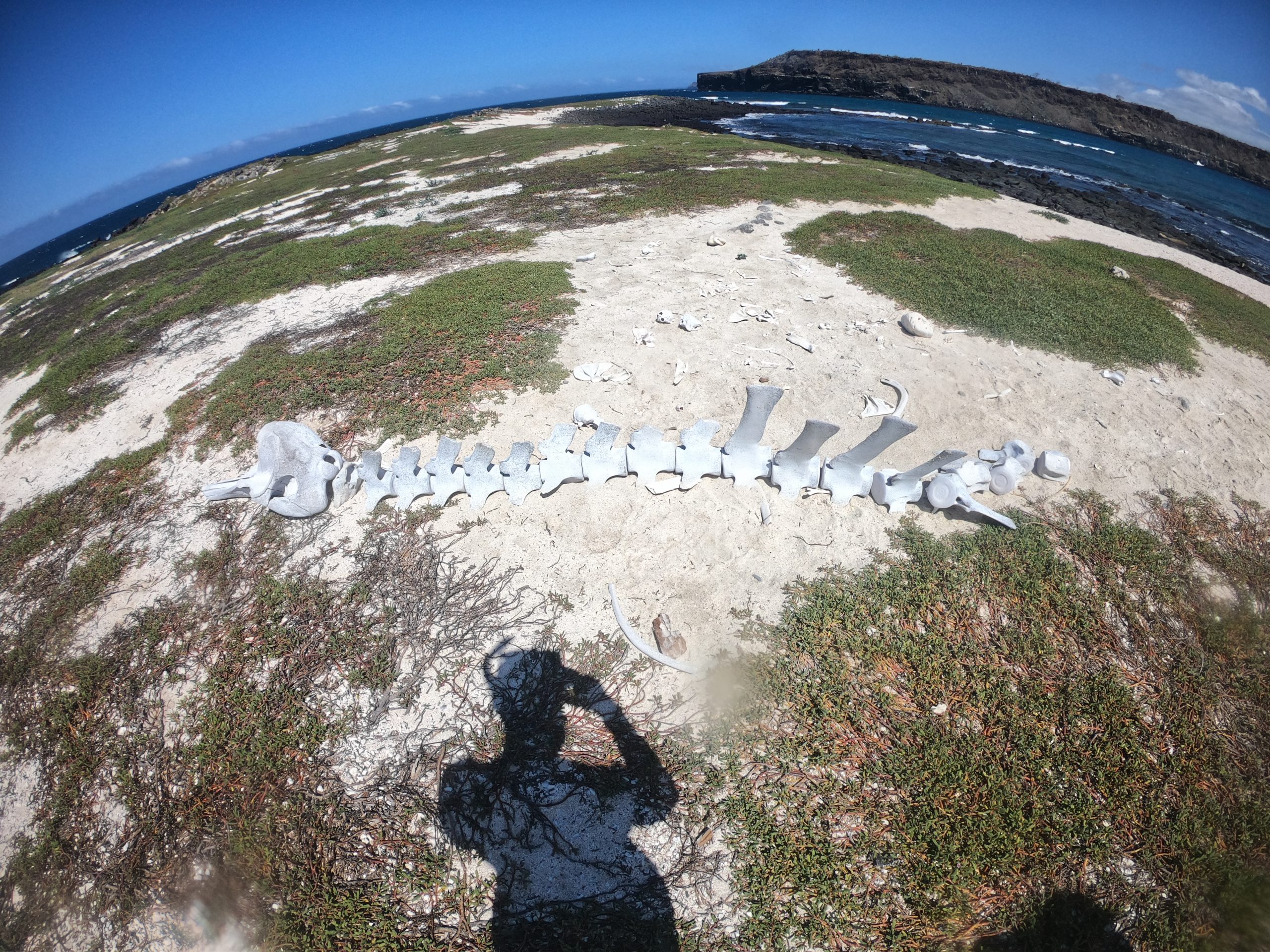
The large sea lion population on Mosquera occasionally attracts orcas, also known as killer whales, to its waters. These clever predators sometimes approach the coast to hunt sea lions as they enter the ocean. If you spot an orca during your visit, consider yourself incredibly lucky—unfortunately, our group didn’t have such luck this time.
For bird watchers, Mosquera’s beach is a must-visit to see the breeding colony of Lava Gulls. With only about 400 nesting pairs in the world, this species is unique to the Galapagos. Lava gulls are easily recognized by their sooty grey feathers and dark brown heads and are often unfazed by human presence. Alongside them, we spotted wading shorebirds and lava herons foraging along the shore, while boobies and pelicans frequently swept by in search of fish.
Is Snorkeling In Mosquera Islet Good?
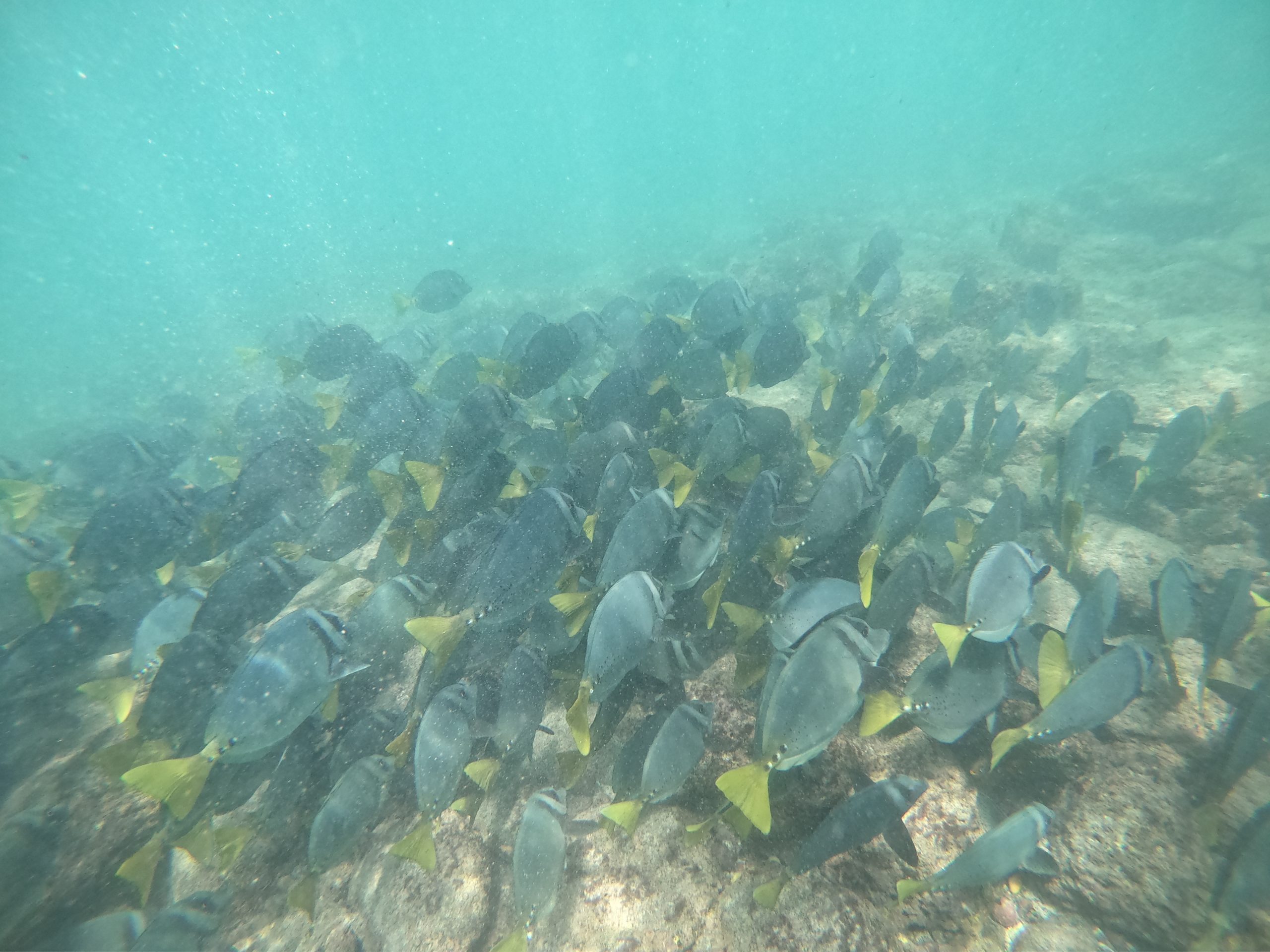
The clear waters around Mosquera Islet hold plenty of marine life. Near the shore, coral reefs shelter rays, sea turtles, reef sharks, barracudas, moray eels, and schools of colorful fish, including hawkfish. It is considered one of the great sites for snorkeling with playful sea lions, and the park lists the site for snorkeling.
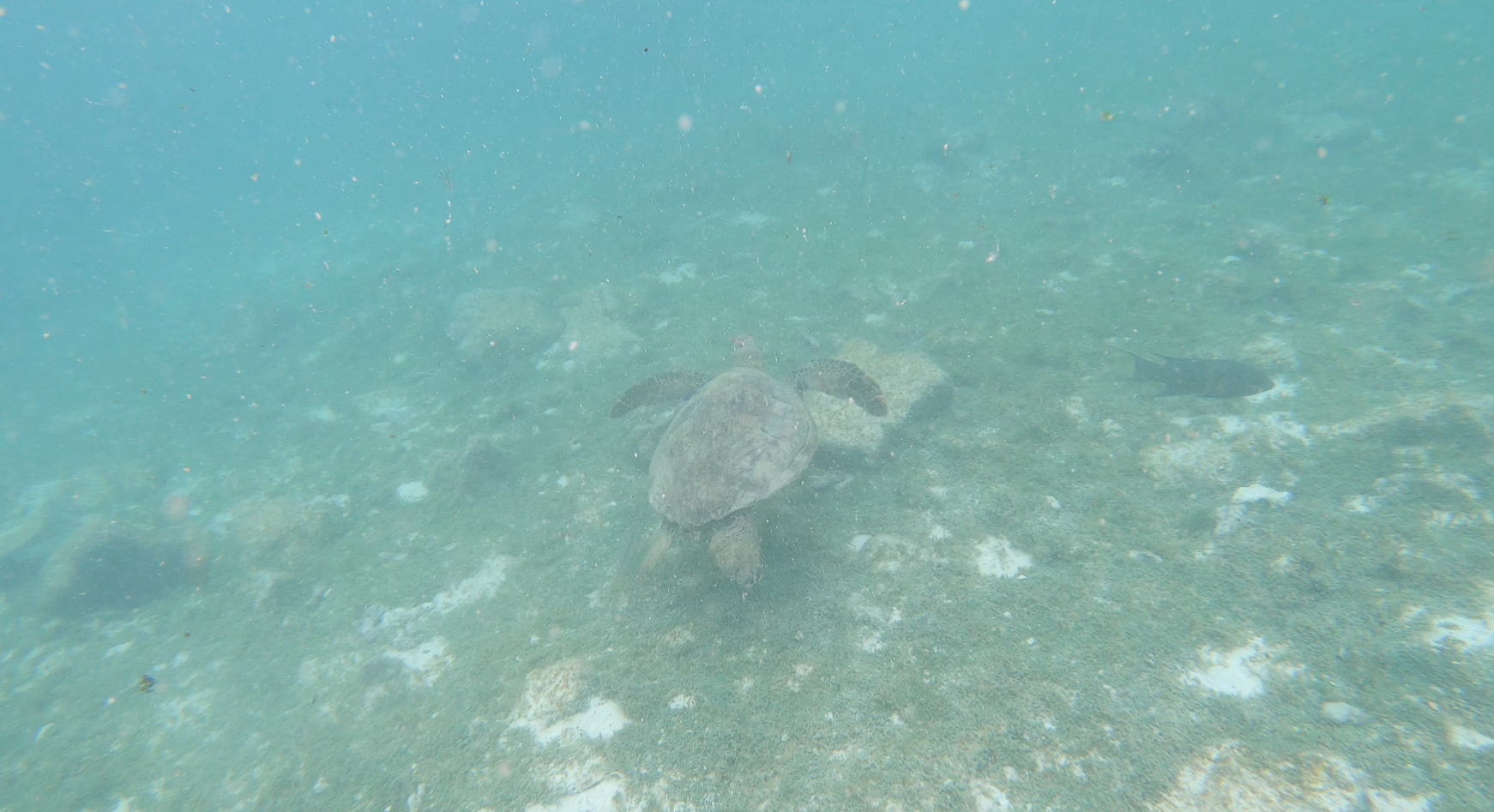
Mosquera’s tranquil, clear waters are brimming with marine life, making it a snorkeling paradise. Close to shore, vibrant coral reefs shelter an array of fascinating creatures—rays, sea turtles, reef sharks, barracudas, moray eels, and schools of colorful fish, including hawkfish. Snorkeling here was truly unforgettable, offering an up-close look at the incredible biodiversity that makes the Galapagos so unique.
Can You Dive At Mosquera Islet?
Day diving at Mosquera Islet is possible from Puerto Ayora, often paired with dives at Gordon Rocks or Seymour Channel. The calm waters and gentle currents suit beginner and intermediate divers. A rocky wall slopes into deeper water at depths of 15 to 18 meters, and divers can see reef sharks, garden eels and rays.
Day diving at Mosquera Islet is also possible from Puerto Ayora, often paired with dives at Gordon Rocks or Seymour Channel. Mosquera’s calm waters and gentle currents make it an ideal spot for beginner and intermediate divers.
Underwater, divers can explore a sandy ocean floor dotted with garden eels and pelagic fish, as well as a rocky wall that slopes into deeper water at depths of 15-18 meters. The area is home to both blacktip and whitetip reef sharks, and it’s a prime location for spotting scalloped hammerheads. Divers can also keep an eye out for various rays, including stingrays, eagle rays, and mobulas, adding to the incredible diversity of marine life found here.
Is Mosquera Islet Worth Visiting?
Mosquera Islet offers a white sand beach, a large sea lion colony, and a chance to see the rare lava gull, with IUCN estimating 600 to 800 mature individuals. Orcas occasionally hunt sea lions in its waters, though sightings are never certain. Snorkelers and divers find plenty in the surrounding waters, and cruises often stop here first or last.
Mosquera Islet might not initially seem like a top Galapagos attraction, but it has so much to offer. Here, you can freely explore the stunning white sand beach alongside friendly sea lions.
For bird enthusiasts, it’s a prime spot to catch a glimpse of the rare Galapagos lava gull—a must-see for any serious birder. Snorkelers and divers are also in for a treat, with plenty of surprises awaiting in the waters around Mosquera. If luck is on your side, you might even spot orcas or hammerhead sharks in the deeper waters. Mosquera makes a perfect start or end to any Galapagos adventure, offering a blend of tranquility and wildlife that leaves a lasting impression.
Planning trip to Galapagos Islands?
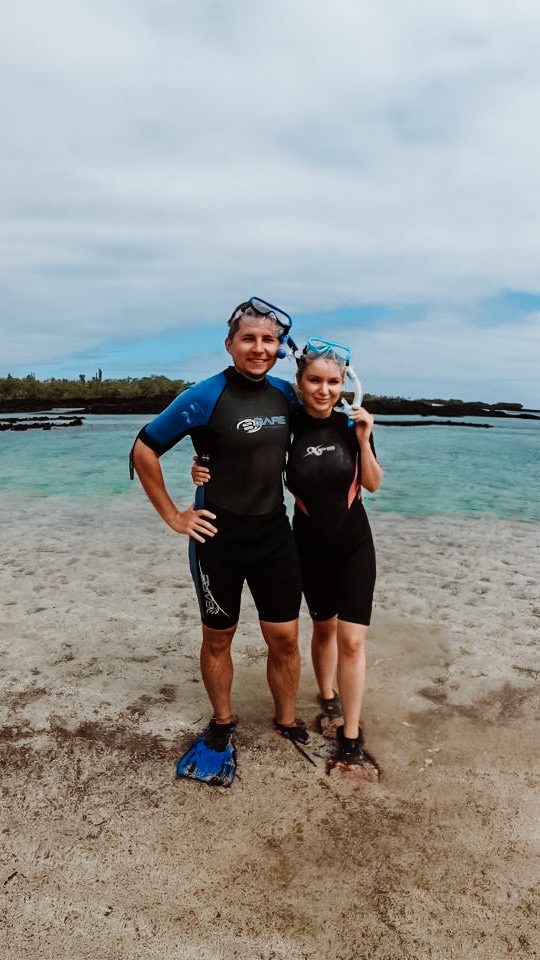
My wife and I spent two weeks on these magnificent islands, visited nearly every possible tour, and explored as much as we could. I shared all the important details in my comprehensive Galapagos Islands Travel Guide, where I cover everything you need to know about planning a trip to the Galapagos.
Galapagos Islands travel might surprise you with extra fees to enter the islands, the complicated logistics between islands, booking tours, and knowing which spots are free to explore and which ones are not. I’ve covered it all in this Galapagos Travel Guide.
Also, if you’re planning a trip to the Galapagos, make sure to use my link for discounted hotel prices via Booking.com. It really helps support my blog!
Questions About Mosquera Islet
Is it safe to swim in the Galapagos?
Swimming and snorkeling at Mosquera are done in tranquil, clear waters close to shore, where sea lions, rays, sea turtles, reef sharks, barracudas and moray eels are seen. No fatal shark attack has been recorded in the Galapagos.
Are there a lot of sharks in the Galapagos?
Reef sharks are seen by snorkelers around Mosquera, divers find blacktip and whitetip reef sharks and, with luck, scalloped hammerheads, and orcas sometimes come to hunt sea lions. No fatal shark attack has been recorded in the Galapagos.
Can tourists stay on the Galapagos Islands?
Yes, on the four inhabited islands (Santa Cruz, San Cristóbal, Isabela and Floreana), where hotels are in the towns. Mosquera is a small uninhabited visitor islet with no lodging, reached on a cruise, a day tour or a dive trip.
Full guide: Ecuador Entry Requirements