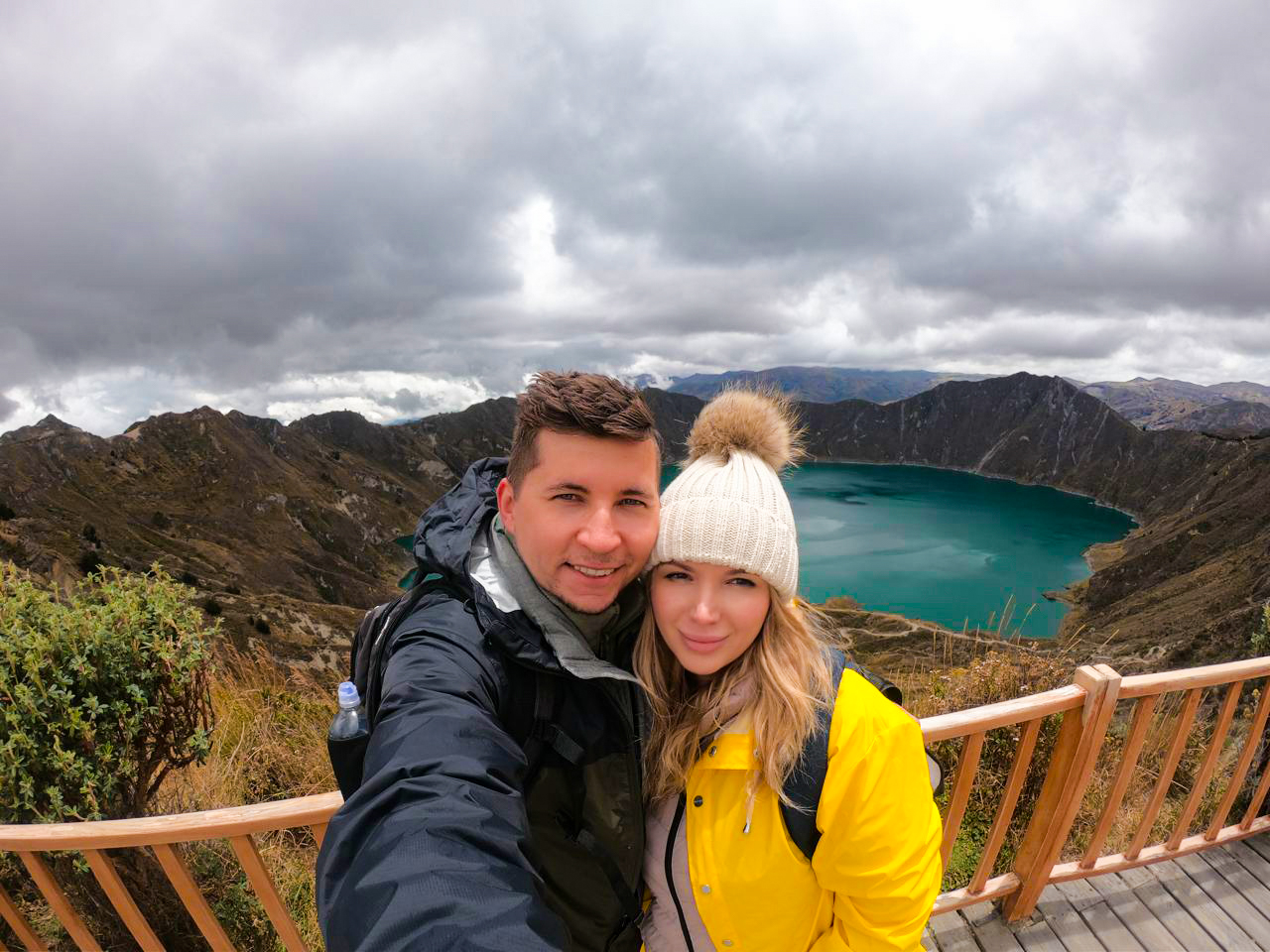
Snorkeling in Concha Perla, Isabela Island, Galapagos
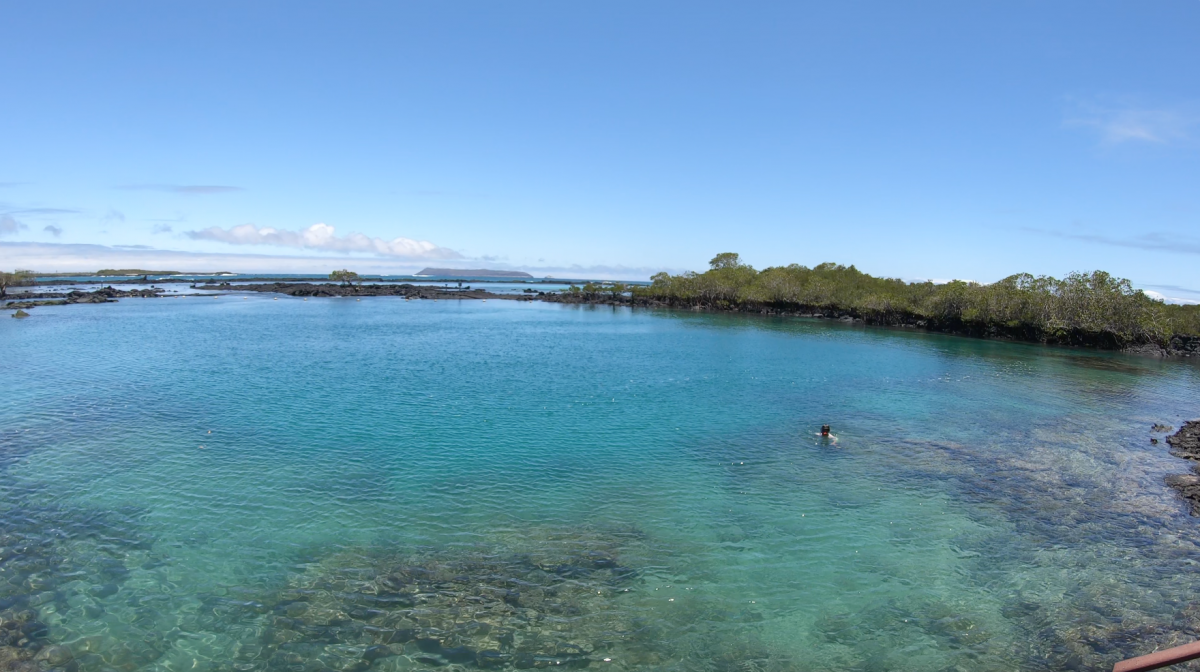
Quick Facts About Concha Perla
| Where | A natural pool in a mangrove forest beside the boat port of Puerto Villamil, Isabela Island |
|---|---|
| Entry | Free, and his page says no guide is needed |
| Getting there | About a 20-minute walk from town to the pier, then about 3 minutes along a boardwalk on the left just before the pier |
| The water | Calm, shallow and sheltered by a rock structure, suitable for children and beginners |
| Wildlife | Sea lions on the boardwalk, then turtles, reef sharks, marine iguanas and colorful fish |
| Best time | December to May for clear skies and calm water; June to November is the cooler season |
Our Take On Concha Perla
We walked the boardwalk through the mangrove forest and found sea lions dozing right on the path. The lagoon behind it is shallow and calm, sheltered by a rock structure, so we swam with turtles, sea lions and schools of fish. Entry is free and no guide is needed. For anyone staying in Puerto Villamil, it is an easy half hour on foot.
Isabela, the largest island in the Galápagos, offers an incredible snorkeling spot called Concha de Perla, or Pearl Shell, located conveniently near Puerto Villamil. This natural pool, set within a beautiful mangrove forest, is accessible without a guide, making it unique among the Galapagos snorkeling sites. Here, we were able to swim freely in the calm, protected lagoon, enjoying the company of sea lions, penguins, sea turtles, iguanas, and a variety of other fascinating marine creatures.
How Do You Get To Concha Perla From Puerto Villamil?
From Puerto Villamil, walk towards the boat port, about 20 minutes from town, and look for a small boardwalk on the left just before the pier. Following it takes about three minutes to reach the lagoon. A taxi from town to the pier is a quick 5-minute ride. Entry is free and no guide is needed.
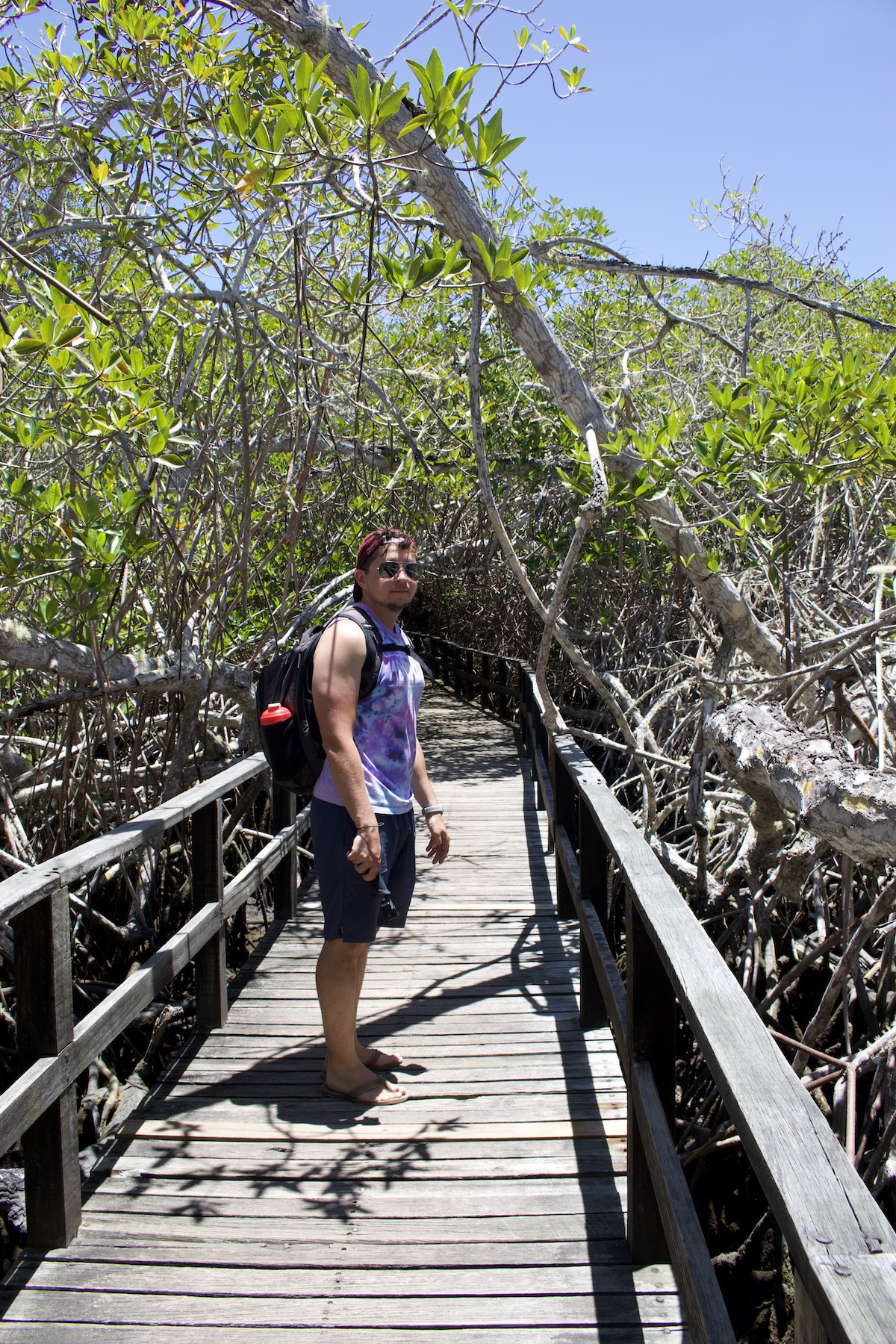
From Puerto Villamil, head towards the boat port and look for a small boardwalk on the left, just before the pier. Follow this boardwalk for about three minutes, and you’ll reach the lagoon. If you’re up for a stroll, it’s a pleasant 20-minute walk from town to the pier, where the boardwalk begins. Alternatively, you can grab a cab from Puerto Villamil to the pier, which costs around $2 per person for a quick 5-minute ride.
What Animals Can You See At Concha Perla?
The bay is one of Isabela Island's best spots for Galapagos wildlife. Sea lions rest along the boardwalk and in the mangroves, marine iguanas gather to warm up in the morning sun, and brown pelicans swoop into the water for fish. In the lagoon there are turtles, reef sharks and schools of colorful fish.
Concha Perla Bay is one of the greatest sites on Isabela Island to experience the awe-inspiring diversity of the Galapagos’ fauna and natural sceneries. Here are some of the animal highlights you could encounter at Concha Perla:
Galápagos Sea Lions
Throughout the Galápagos Islands, Galápagos Sea Lions are a common sight, lounging and basking under the sun wherever you turn. While they’re officially considered a subspecies of the California Sea Lion, some experts argue that they might even be a unique species altogether. Their playful nature and relaxed presence make them one of the most delightful companions to encounter during your island explorations.
Galápagos Marine Iguana
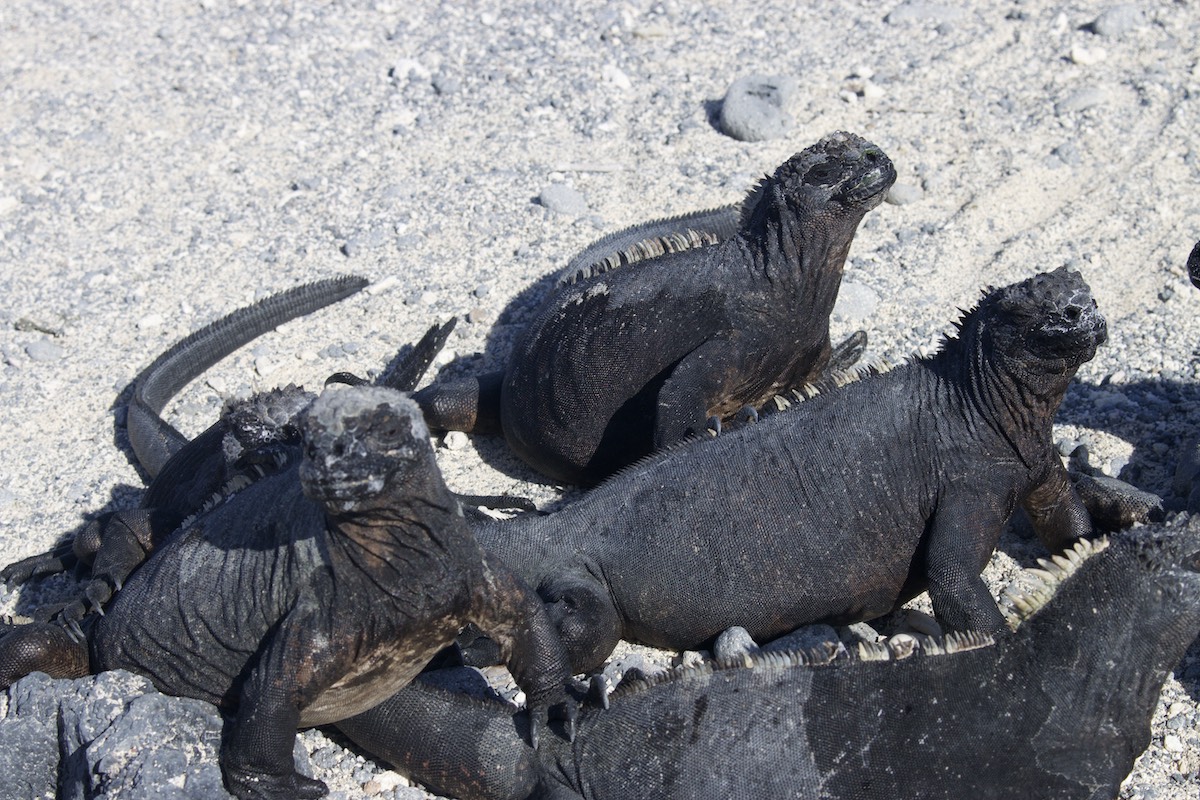
The Galápagos Marine Iguana, the world’s only ocean-going lizard, is truly one-of-a-kind, existing exclusively on the Galápagos Islands. These iconic reptiles boast 11 subspecies, each adapted to a specific island. While they aren’t exactly social, they’re remarkably tolerant of each other, often gathering in clusters for warmth during cooler nights. Early in the morning, you’ll spot them basking in the sun, warming up for their first swim of the day. It’s fascinating to watch these creatures adapt to the unique demands of island life, combining terrestrial habits with a marine lifestyle.
Brown Pelican
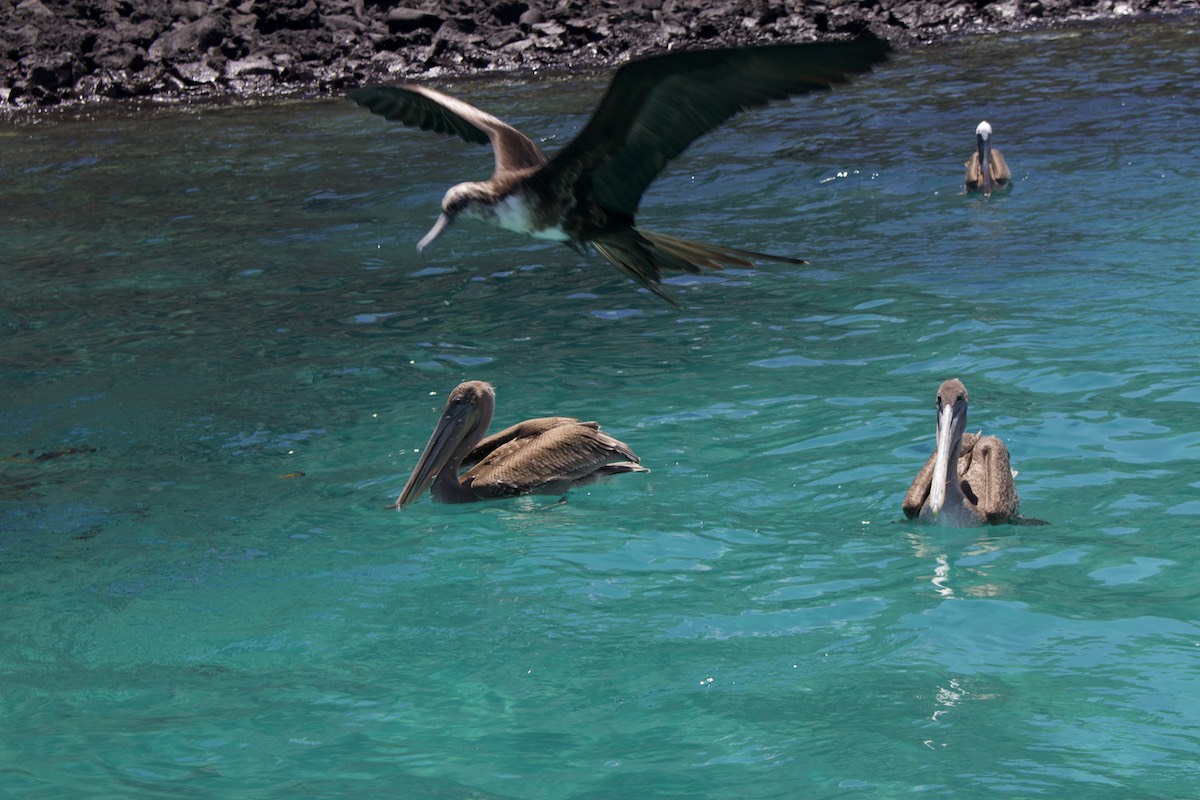
The Brown Pelican is a frequent sight across the Galápagos Islands and can even be found as far as the American coast. You’ll often spot these graceful birds around ships, ports, and especially near the bustling Fisherman’s Dock in Santa Cruz. It’s captivating to watch them swoop down elegantly into the water for fish, then skim over the surface before they return to their nests in the nearby mangrove lagoons. Their movements are both powerful and serene, adding a touch of grace to the Galápagos’ vibrant marine landscape.
Galapagos Mockingbird
While Darwin’s Finches are often celebrated as symbols of Charles Darwin’s theory of natural selection, it was actually the Galápagos Mockingbirds that sparked his first insights. Of the four mockingbird species on the islands, the Galápagos Mockingbird is the most commonly seen by visitors. These birds are famously curious, often approaching travelers instead of flying away. Their bold nature and striking presence provide a unique experience, letting you feel a little closer to the incredible diversity and history that inspired Darwin’s groundbreaking work.
Darwin’s Finches
The slight variations among the Galápagos Finches were crucial in helping Darwin shape his theory of natural selection, a concept that many students encounter today. These finches, often referred to as “Darwin’s Finches,” include 17 distinct species across the archipelago, ranging in size from about 4 to 8 inches (10 to 20 cm). Observing these small yet diverse birds is like witnessing evolution in action—each species has adapted uniquely to its environment, showing subtle yet important differences in beak shape and feeding habits.
When Is The Best Time To Visit Concha Perla?
For clear skies and calm water while snorkeling, the warmer, wet season from December to May is ideal. The drier, colder season from June to November suits diving: the Humboldt current enriches the sea with nutrients, attracting an array of marine life, including sharks and even whales, which makes the dive truly spectacular.
Full guide: Best Time To Visit The Galapagos: Month By Month
If you’re aiming for clear skies and calm waters while snorkeling at Concha Perla, the wet and warmer season from December to May is ideal. For diving enthusiasts, the drier, colder season from June to November offers a unique experience. During this time, the Humboldt current enriches the sea with nutrients, attracting an array of marine life, including sharks and even whales, making the dive truly spectacular.
Is Snorkeling In The Galapagos Worth It?
Snorkeling at Concha Perla is worth it. The shallow, clear bay is protected by a large rock structure, so the water stays calm, which suits kids and beginners. From the water we saw sea lions darting by, turtles gliding along, a few reef sharks in the distance and schools of colorful fish.
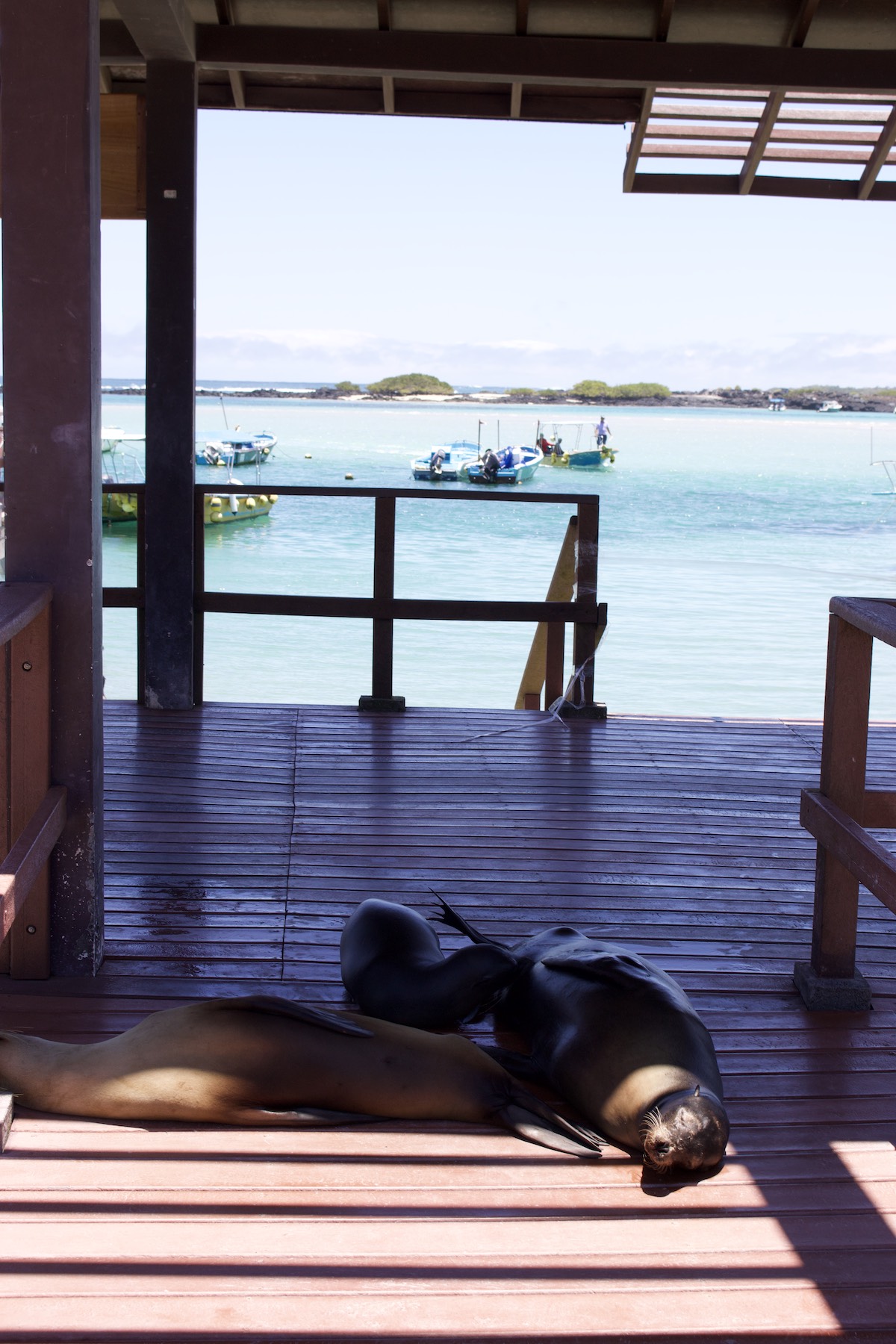
The walkway leading to Concha Perla starts conveniently next to one of the dockside food cabanas, and it’s impossible to miss the sea lions lounging along the way. They’re everywhere as we make our way down the boardwalk—some are dozing in the cool shade of the mangroves, while others have made themselves comfortable right on the path itself.
I have to admit, seeing these sea lions so close, right on the boardwalk, was unexpected, especially considering how popular Concha Perla is with both snorkelers and tour groups. Yet, they seem blissfully indifferent to us, barely noticing our approach, though we do startle a few now and then as we pass.
As we got closer to the lagoon, we walked across a wooden bridge that meandered through the dense mangrove forest. We kept our eyes peeled for iguanas and other land creatures that might be hiding in the shade. Soon, we arrived at the shallow, clear bay—perfect for a refreshing swim and some snorkeling.
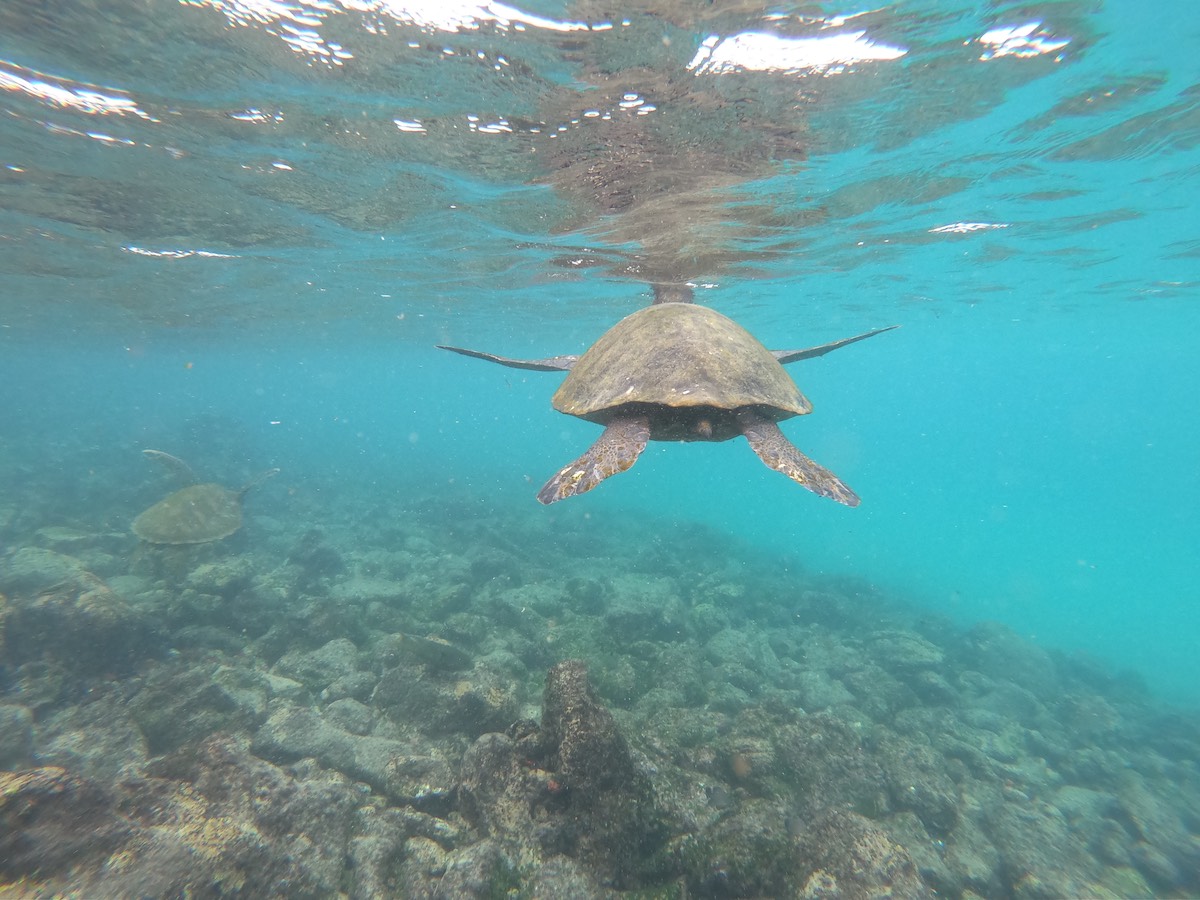
The waters in this spot are incredibly calm, thanks to the large rock structure that shields the lagoon, making it a fantastic place for kids and snorkeling beginners like us. With the crystal-clear water, it was easy to spot the vibrant marine life swimming around us—sea lions playfully darting by, graceful turtles gliding along, a few reef sharks in the distance, and schools of colorful fish weaving through the water.
Is Concha Perla Worth Adding To A Galapagos Itinerary?
Yes, it is one of the must-visit spots on Isabela Island. Strolling the wooden walkway through peaceful mangroves and snorkeling in the shallow, crystal-clear lagoon gave us an unforgettable glimpse of the marine life of the Galapagos. Entry is free and no guide is needed.
Concha Perla is truly one of the must-visit spots on Isabela Island, Galapagos. The combination of strolling along the wooden walkway through peaceful mangroves and snorkeling in the shallow, crystal-clear lagoon gave us an unforgettable glimpse into the incredible marine life of the Galapagos. If you’re planning your Galapagos itinerary, definitely add Concha Perla to your list—it’s the perfect place to relax and immerse yourself in the natural beauty and unique wildlife of these islands.
Planning trip to Galapagos Islands?
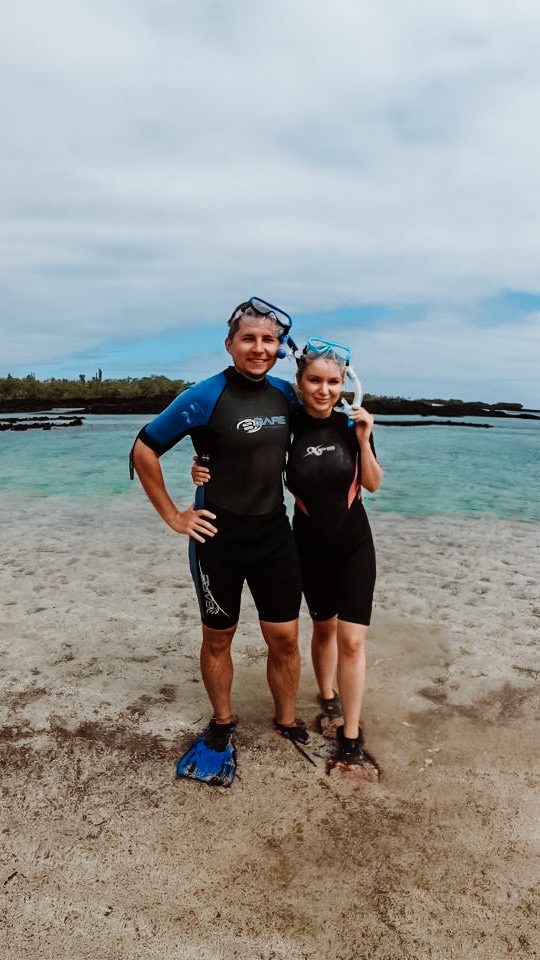
My wife and I spent two weeks on these magnificent islands, visited nearly every possible tour, and explored as much as we could. I shared all the important details in my comprehensive Galapagos Islands Travel Guide, where I cover everything you need to know about planning a trip to the Galapagos.
Galapagos Islands travel might surprise you with extra fees to enter the islands, the complicated logistics between islands, booking tours, and knowing which spots are free to explore and which ones are not. I’ve covered it all in this Galapagos Travel Guide.
Also, if you’re planning a trip to the Galapagos, make sure to use my link for discounted hotel prices via Booking.com. It really helps support my blog!
Questions About Concha Perla
Is snorkeling in the Galapagos worth it?
Snorkeling at Concha Perla is worth it. The calm, protected lagoon offers sea lions, turtles, a few reef sharks and schools of colorful fish in shallow, clear water, and it is described as one of the must-visit spots on Isabela Island.
What to avoid when snorkeling?
Follow the national park visitor code: stay at least 2 meters from wildlife, never feed or touch it, and do not collect rocks, shells, sand or wood. Flash photography is not allowed. Sea lions rest on the boardwalk and in mangrove shade, so walk around them and do not startle them.
Is there a direct ferry from Isabela to San Cristóbal?
No. There is no direct public boat between Isabela and San Cristóbal. The trip goes through Santa Cruz, with a morning and an afternoon leg, which uses most of a day.
Full guide: How To Get To The Galapagos: Flights, Airports And Fees
How much does a ferry ticket cost between the Galapagos Islands?
The regular public boat between the inhabited islands costs USD 50 per tourist one way since 11 August 2026, with half price for children under 12, students, people with disabilities and people aged 65 and over.
Full guide: How To Get To The Galapagos: Flights, Airports And Fees