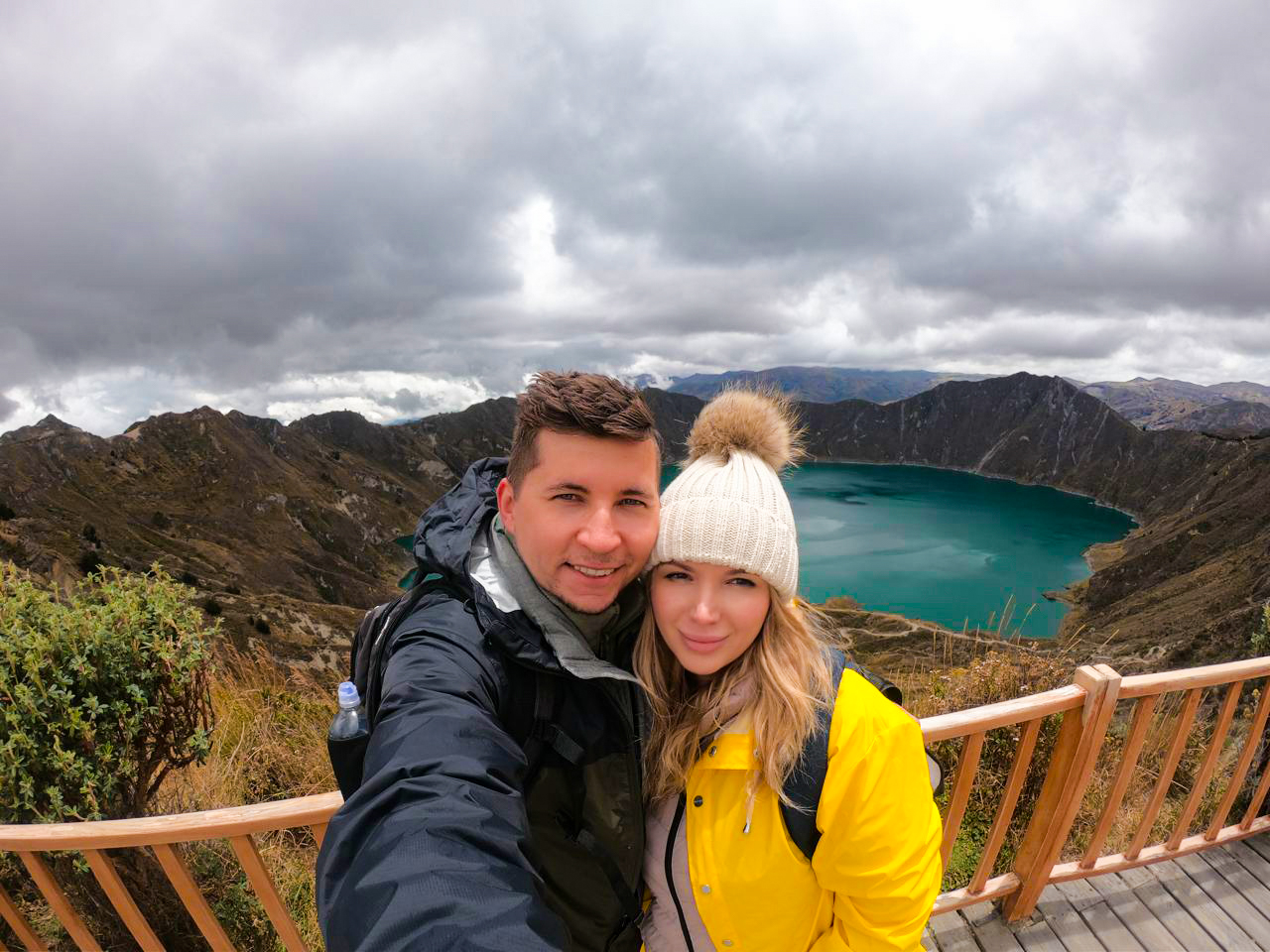
Visiting Galapagos Islands with Kids
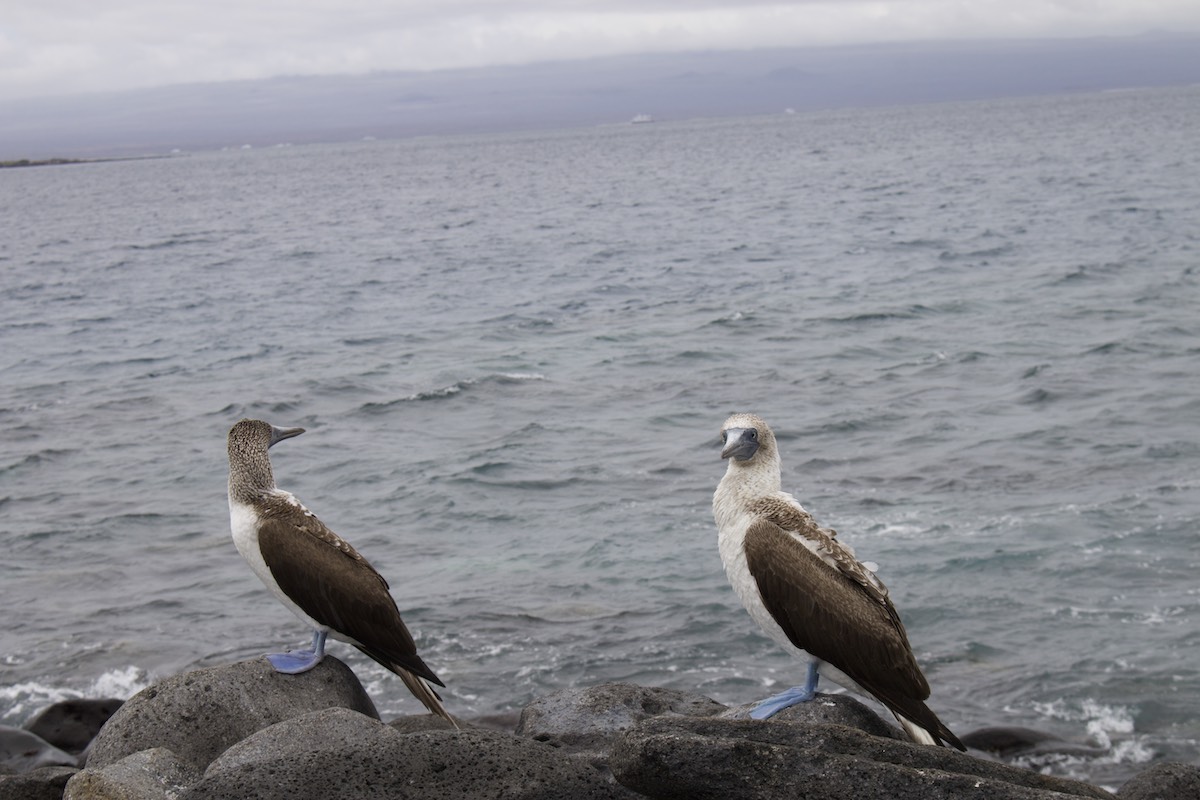
Quick Facts About Visiting The Galápagos With Kids
| Cruise minimum age | Most operators set 5 or 6 for scheduled departures; some take younger children only on a family charter |
|---|---|
| Land-based tours | No minimum age |
| Park fee for children | USD 100 under 12, USD 200 from 12, children under 2 exempt |
| Transit control card (TCT) | USD 20 per person, children under 2 exempt |
| Public boat between islands | Half price for children under 12 (adult fare USD 50 one way) |
| Drones | Prohibited for tourists without park authorization |
Our Take On Visiting The Galápagos With Kids
We packed a roll-up dry bag for shore excursions, which helped keep our cameras and phones safe, and it could even be attached to a kayak when we went paddling. Checking off animals as we spotted them kept our kids captivated. The land-based trips gave us more flexibility to explore at our own pace.
Many parents wonder if the Galapagos Islands are a good fit for children and if there’s enough for them to do there. The short answer is yes, you absolutely can visit the Galapagos with kids. But if you’d like your child to remember the trip, it might be worth waiting until they’re around five or six years old. Keep in mind that certain activities could be limited based on their age and endurance.
We didn’t see many families with young kids while we were there. Although the Galapagos are incredible and packed with wildlife, there might be destinations more suited to young children’s needs. Moving between the main islands often requires long speedboat rides, and many tours focus on snorkeling. The Galapagos currents can be strong, which might make it difficult for kids to join in. Marine life is truly the star attraction here, so snorkeling is a key activity.
That said, there’s a reason why the Galapagos Islands are often celebrated as one of the best family vacation spots. The animals here approach humans with a curiosity that amazes visitors of all ages, leading to up-close experiences with blue-footed boobies, sea lions, and more. Plus, expert naturalist guides lead activities like hiking, snorkeling, kayaking, and even mountain biking—perfect for older kids and teens who are ready for adventure.
Are The Galapagos Islands A Good Destination For Children?
Yes, kids can visit the Galapagos, though waiting until around five or six may help them remember the trip. Some activities have age or endurance limits, and inter-island travel involves long speedboat rides. Animals show little fear of people, tortoise sanctuaries teach children about conservation, and beaches on Santa Cruz offer sandcastle building and swimming.
Wildlife Observation
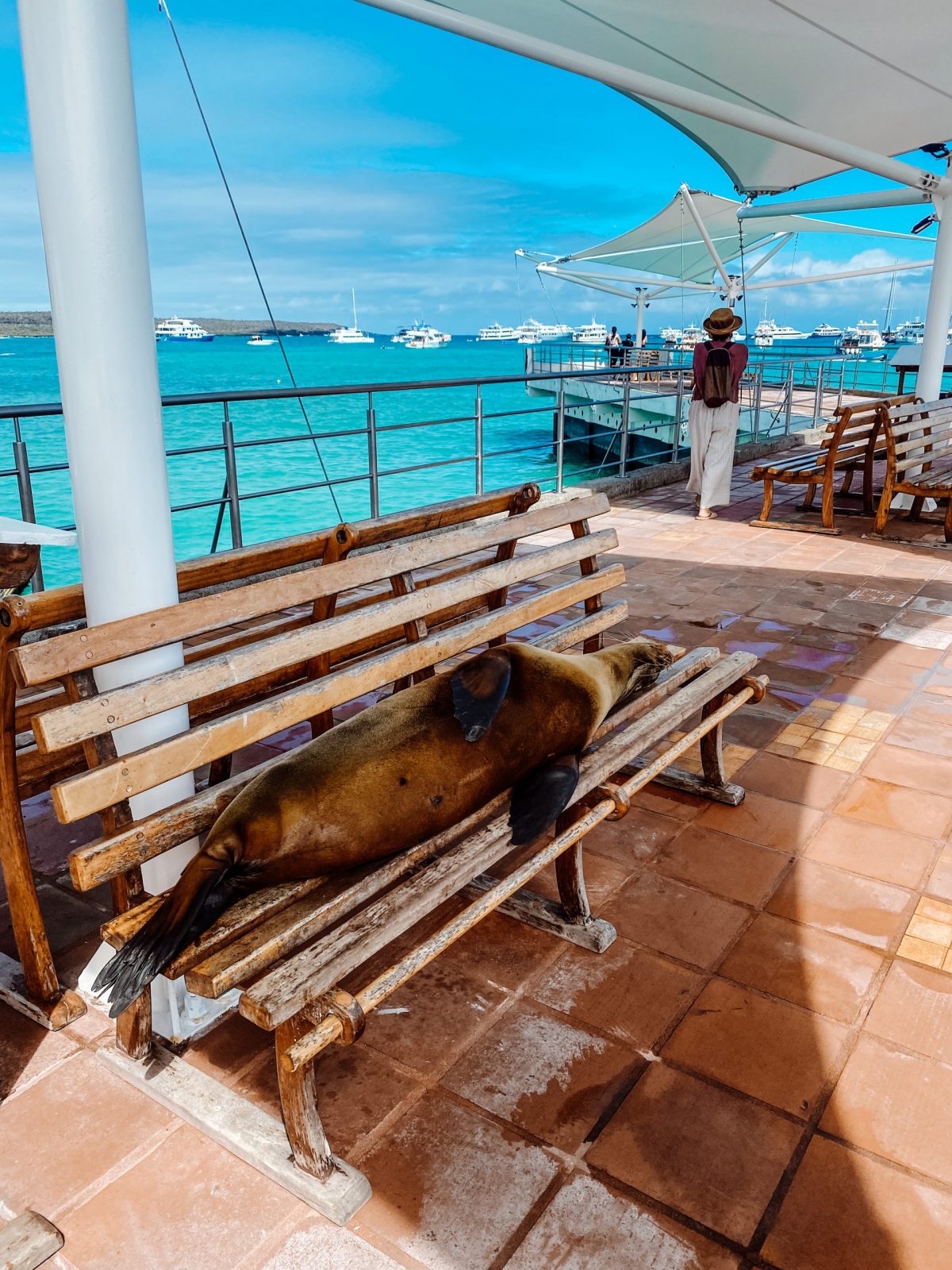
Watching the unique wildlife with kids on the Galapagos Islands is truly one of the most memorable activities. The animals here, aside from the occasional grumpy male sea lion, are incredibly unafraid of people and pose no risk, creating an open, natural zoo for kids to explore.
Tortoise sanctuaries are also a hit with children. These sanctuaries offer an educational experience, giving kids a chance to learn about these gentle giants and the importance of their conservation on the islands. It’s a special opportunity for them to connect with nature and understand the efforts behind preserving these incredible creatures.
Beach Lounging
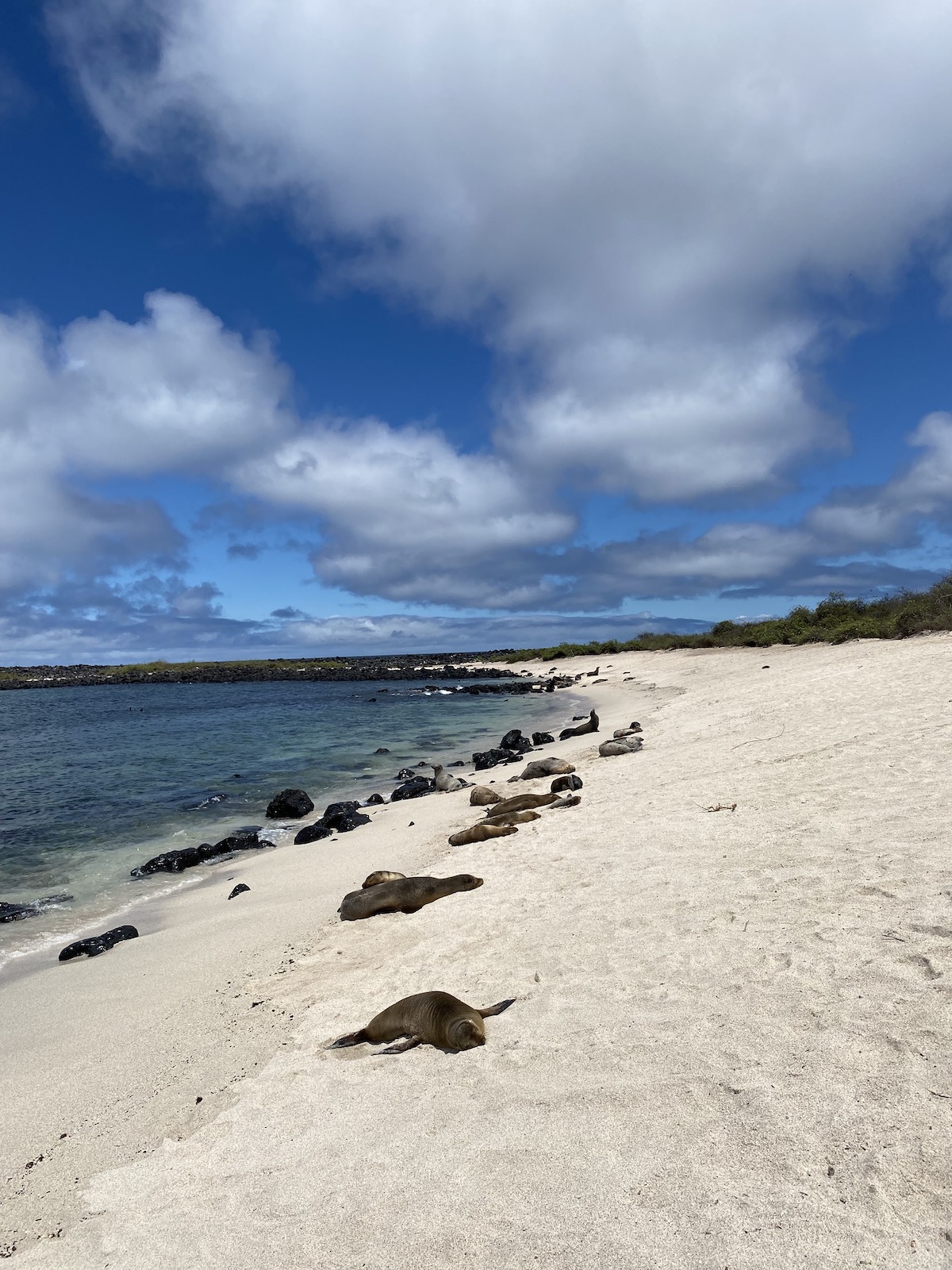
Beach time is another fantastic family activity in the Galapagos. If you opt for a land-based tour, you’ll have some free days to relax at the various beaches near your resort. Santa Cruz, in particular, has stunning white-sand beaches that the whole family can enjoy, whether it’s for swimming, building sandcastles, or simply relaxing. It’s the perfect spot to unwind and soak up the natural beauty of the islands together.
Water-Based Activities
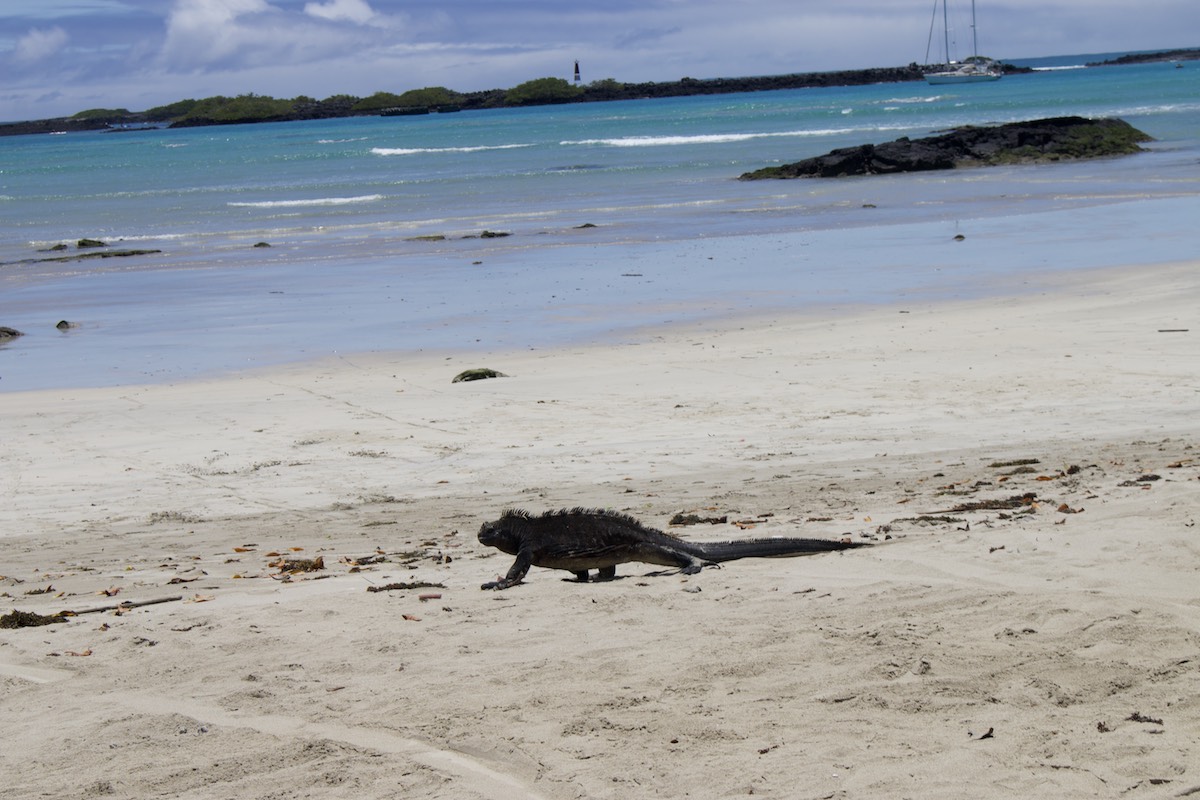
In the Galapagos, kids can enjoy even more water-based activities. Snorkeling is perfect for children who are confident swimmers. It can feel a bit intimidating initially—especially with sea lions playfully swimming nearby—but the chance to spot turtles, penguins, and marine iguanas underwater is absolutely magical. And for kids, interacting with the curious sea lions is an unforgettable thrill. It’s one of those experiences that stays with them, creating lasting memories of the Galapagos.
Is A Land-Based Tour Or A Galapagos Cruise Better For Kids?
Land-based tours suit families with small children better, since they offer rest days, no early starts, and no confined boat space, and there is no minimum age. Cruises often work well for older kids and teens, though most operators set a minimum age of five or six. Pack anti-nausea medication if seasickness is a concern.
Full guide: Galapagos Cruise Vs Land-Based Trip: We Did Both
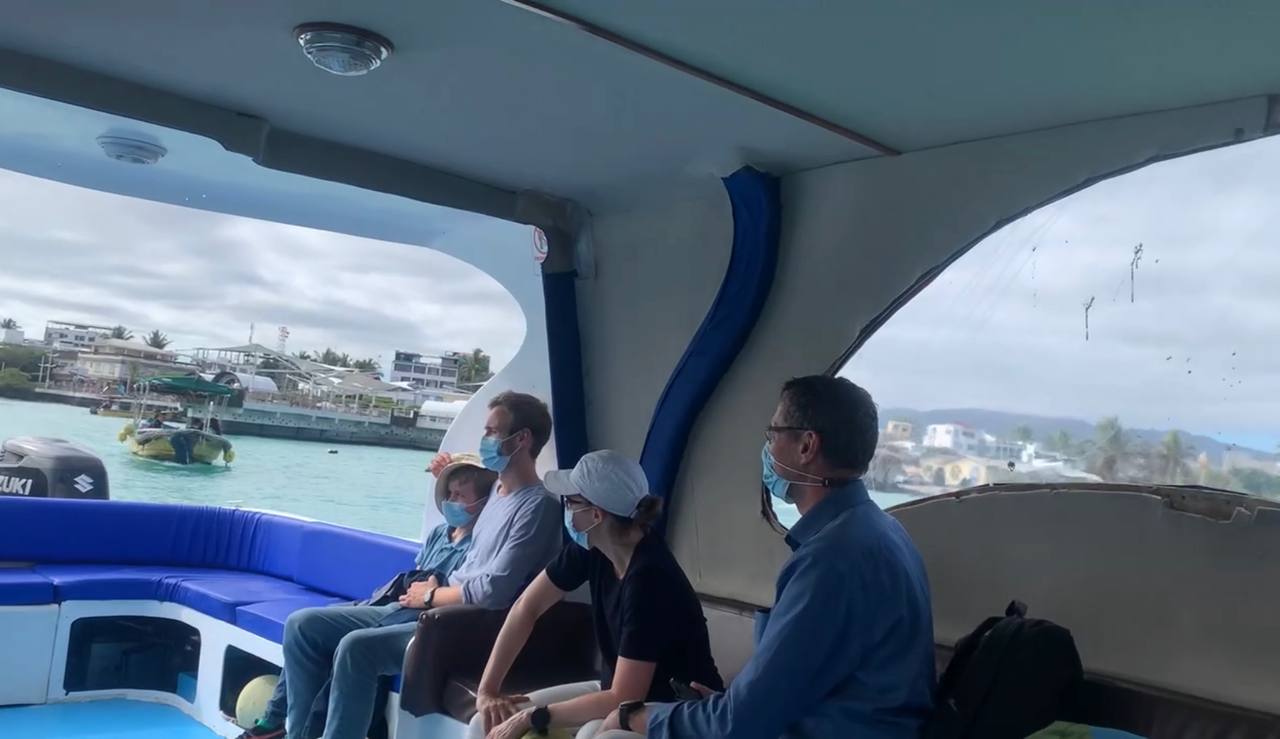
Many families opt for the land-based approach in the Galapagos because it offers flexibility: no early starts, rest days, and the ability to set your own schedule. Being on a boat for extended periods can be challenging, especially for younger kids who may not enjoy the confined space. Choosing a more relaxed, land-based option often works better for families with small children.
For older kids and teens, however, a Galapagos cruise can be a great fit—they’re more likely to handle the schedule and truly appreciate what they see. Some of the hikes on island excursions may feel lengthy for little ones, though the distances are usually short.
Also, consider the potential for seasickness on cruises, especially if your kids are prone to it. For peace of mind, bring some anti-nausea medication if you decide on a cruise, just in case!
What Should Families Pack And Plan For A Galapagos Trip With Kids?
Plan ahead, since most islands have few stores. Bring sun protection such as lightweight long-sleeved shirts, wide-brimmed hats and closed-toe shoes, plus extra memory cards and a dry bag for cameras. Drones are prohibited without park authorization. For seasons, check the best time to visit guide, since the warm and dry seasons each bring different wildlife.
Full guide: Best Time To Visit The Galapagos: Month By Month
| Item | Children |
|---|---|
| National park entrance fee | USD 100 under 12; USD 200 from age 12; under 2 exempt |
| Transit control card (TCT) | USD 20 per person; under 2 exempt |
| Public inter-island boat | Half price under 12 (adults USD 50 one way) |
Foreign visitors; the park fee is paid in cash on arrival.
Pick Your Season
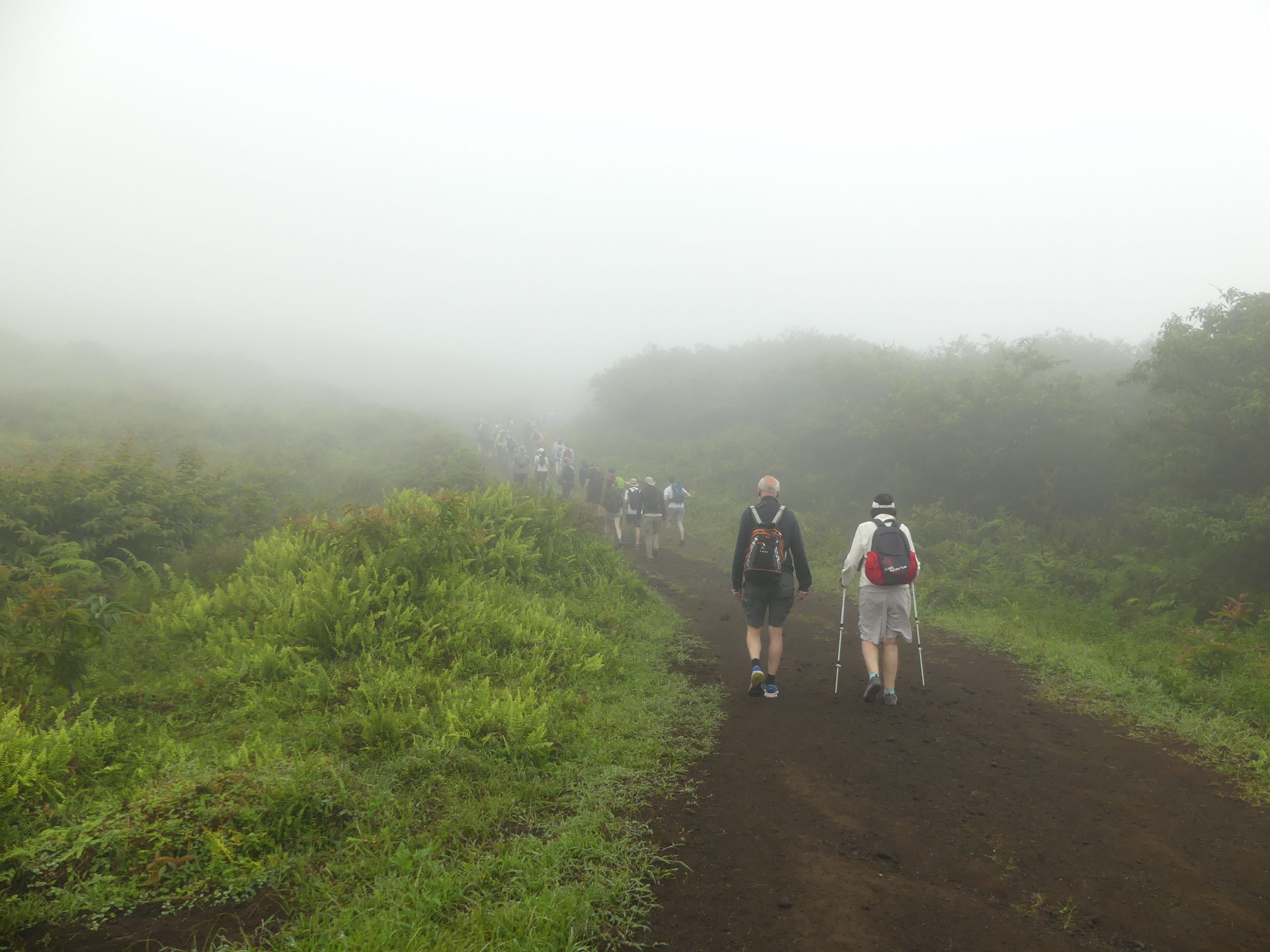
From January to June, the Galapagos experiences its hot season, with warmer water and increased wildlife activity on land. During this time, sea lions, marine iguanas, and bird species like the blue-footed boobies are especially lively, making it an exciting period for families to observe these animals up close.
The dry season, from June to December, brings cooler waters, which attracts whales and dolphins. If seeing these magnificent creatures is high on your list, this is an ideal time to visit. Each season offers its own unique wildlife encounters, so you can plan around the animals and experiences you’re most excited about.
We have guides for each month:
- Visiting Galapagos Islands in January
- Visiting Galapagos Islands in February
- Visiting Galapagos Islands in March
- Visiting Galapagos Islands in April
- Visiting Galapagos Islands in May
- Visiting Galapagos Islands in June
- Visiting Galapagos Islands in July
- Visiting Galapagos Islands in August
- Visiting Galapagos Islands in September
- Visiting Galapagos Islands in October
- Visiting Galapagos Islands in November
- Visiting Galapagos Islands in December
Be Prepared
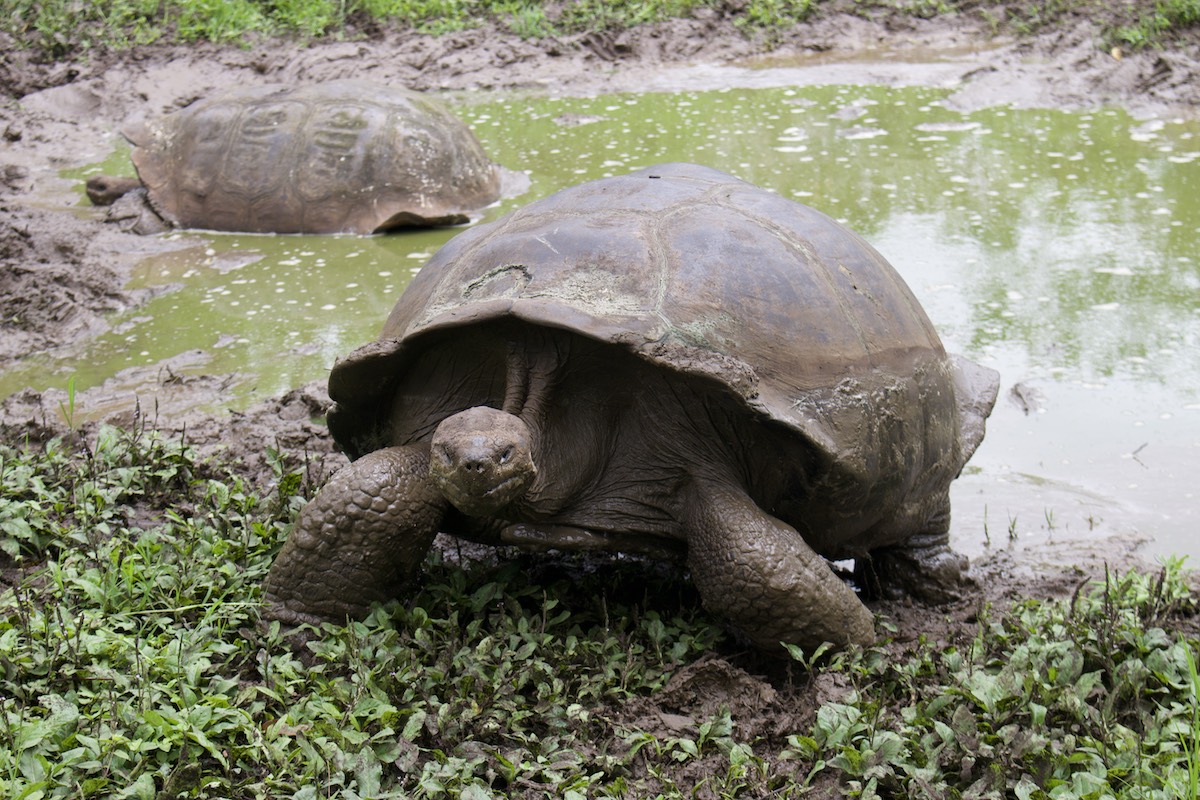
A trip to the Galapagos Islands with children necessitates some advance planning. Galapagos doesn’t really have stores on most islands, so you have one shot to get your packing right. I made sure to bring sun protection for all of us, as the UV rays here are no joke, even when it’s cloudy.
For sun protection, we made sure each of us had lightweight, long-sleeved shirts, wide-brimmed hats that wouldn’t blow away in the wind, and sturdy closed-toe shoes. We packed a roll-up dry bag for shore excursions, which helped keep our cameras and phones safe, and it could even be attached to a kayak when we went paddling.
With all the excitement and incredible wildlife sightings, we found ourselves taking endless photos. We didn’t want to run out of memory, so we brought extra memory cards and everything we’d need for capturing those special moments, from a GoPro to a waterproof phone cover.
Just remember, though, drones are off-limits on the islands.
Make A Wildlife Checklist
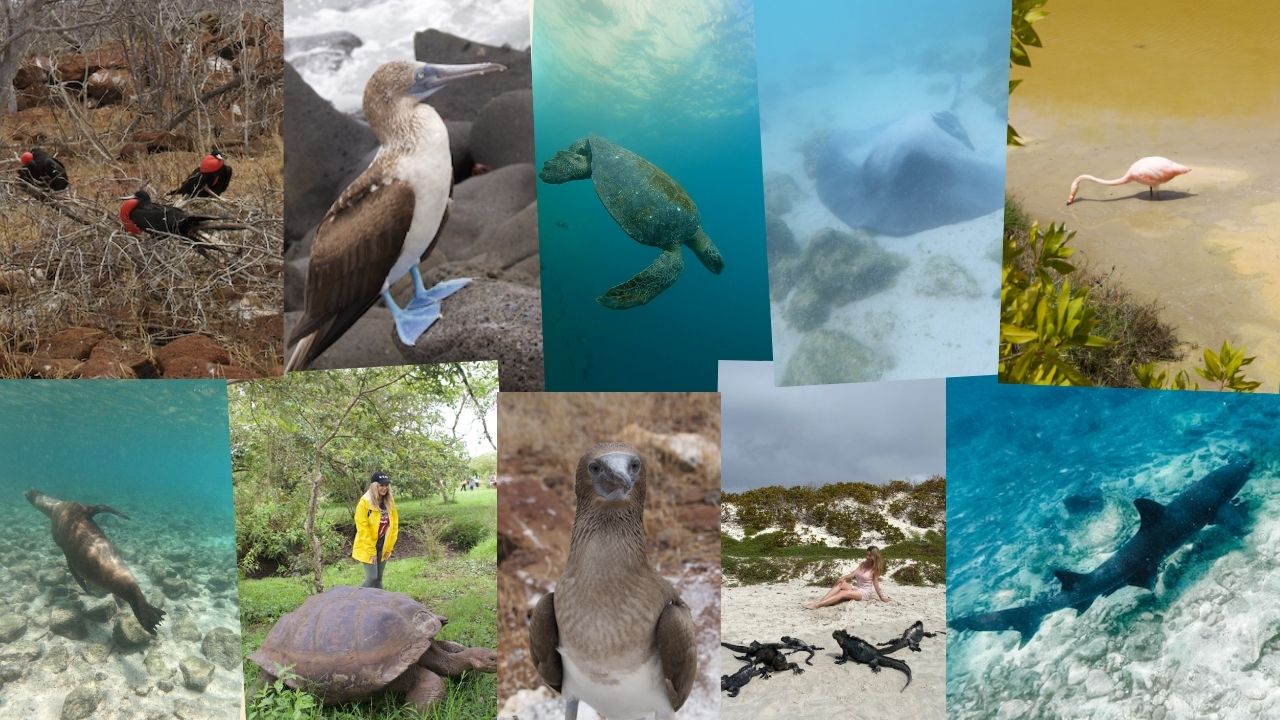
We found that checking off animals as we spotted them was a fun way to keep the whole family engaged. In the Galapagos, the wildlife is right there, practically posing for us – no need for binoculars or squinting to see tiny specks in the distance! This up-close encounter kept our kids totally captivated, and we didn’t have to worry about them losing interest. The animals are so calm, allowing us to take in every detail together and make a game out of spotting and identifying each new species.
Encourage Kids to Try New Things
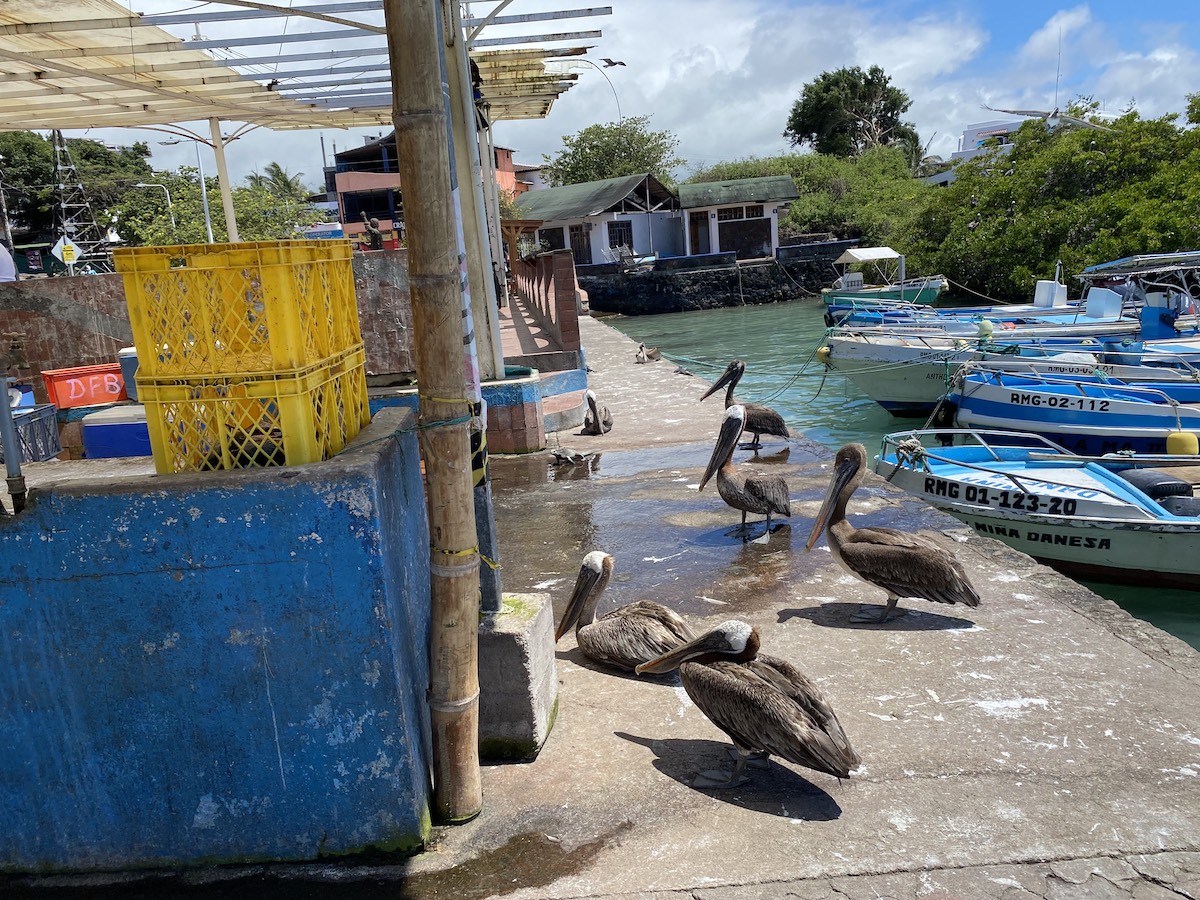
Letting the kids explore at their own pace really makes the Galapagos trip unforgettable. We found it fun to encourage them to try out new things, figuring out what they enjoyed most. The islands, with their still, patient wildlife, turned out to be an ideal spot for budding photographers. We gave them a smartphone and GoPro to create their own little wildlife documentaries – they loved it! Just remember, flash photography is a no-go in the Galapagos.
The calm waters around the islands were perfect for kayaking and stand-up paddling. We loved that double kayaks were available, making it easy to paddle together and help the kids gain confidence as they paddled alongside us.
Remind Kids to Observe and Avoid Touching
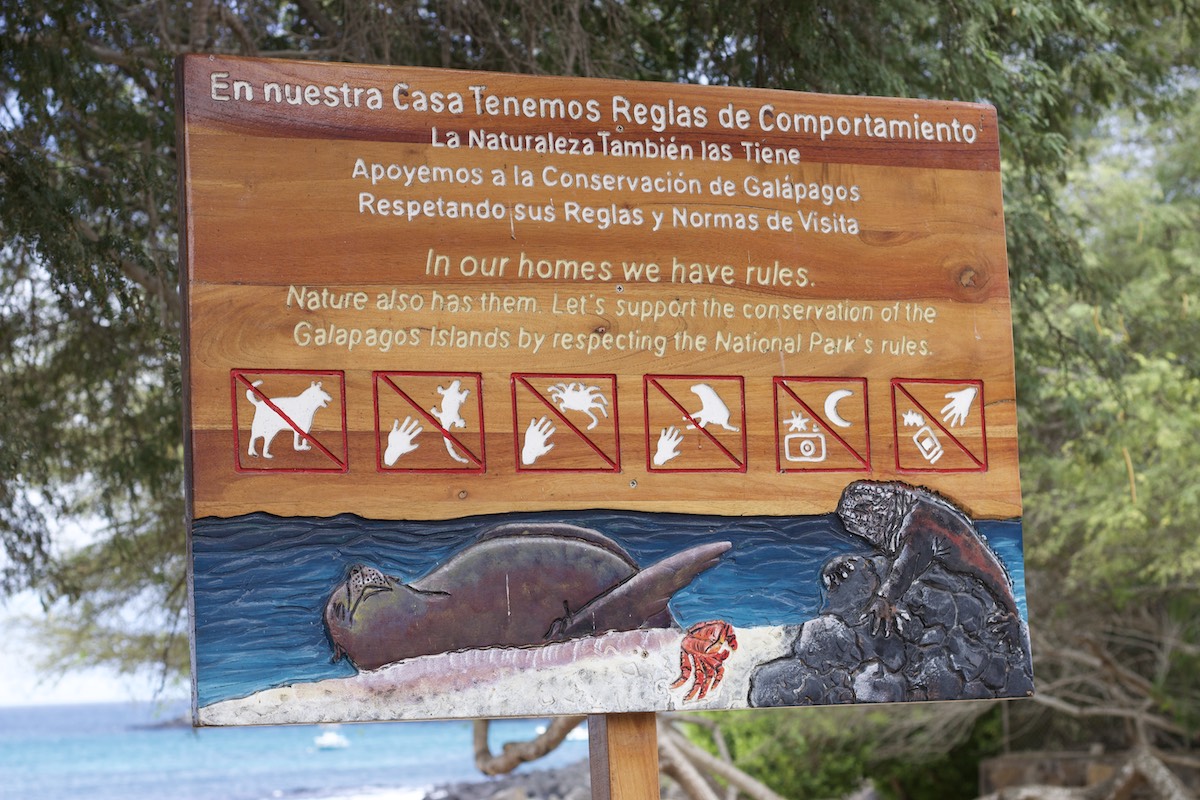
Before heading to the Galapagos, it was essential for all of us, including the kids, to get familiar with the park’s guidelines. The biosecurity checks, done before departing Quito or Guayaquil, added an extra layer of care to protect the islands, reminding us of how special the Galapagos really is.
Once we arrived, the animal guidelines made a lot of sense, though keeping six feet from wildlife was easier said than done. Sometimes we’d find sea lions or iguanas casually lounging right in our path, or a curious mockingbird would even land on our backpack. It became a lesson in patience, respecting that these animals have the right of way – no exceptions! We reminded the kids that as tempting as it might be, feeding or interacting with animals is a strict no-go, and staying on marked trails is a must.
We explained to the kids that while it might seem harmless to pick up a small pebble or shell, the “take only photos, leave just footprints” mantra was our guide. This truly is the perfect place to put that saying into practice!
Is The Galapagos Worth It For Kids In The End?
We found that the land-based trips gave us more flexibility to explore at our own pace. For children, the islands offer wildlife observation, beach time and snorkeling, whether families choose a cruise or a land-based tour. Children under 12 pay a USD 100 park fee, and the transit control card costs USD 20 per person.
The Galapagos Islands are a fantastic destination for kids, no matter their age. If you want them to carry lasting memories, waiting until they’re a bit older can be worthwhile. We found that the land-based trips gave us more flexibility to explore at our own pace, which is perfect when you’re with children.
Whether you decide on a Galapagos cruise or stick to land-based adventures, there’s no shortage of activities that will captivate kids. Watching them experience the unique mix of Galapagos wildlife up close—plants, animals, and landscapes that seem straight out of a storybook—is unforgettable. The islands are truly a magical playground for young explorers!
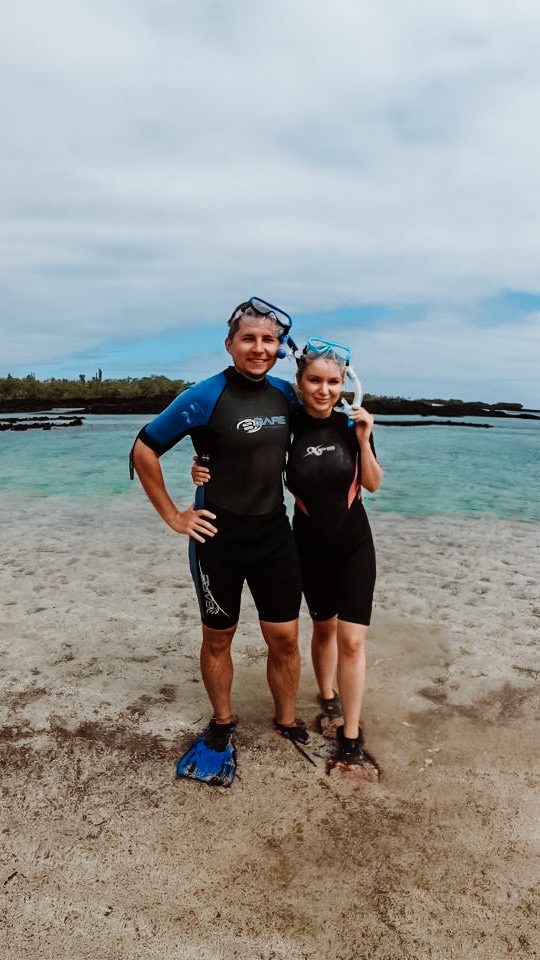
Planning trip to Galapagos Islands?
My wife and I spent two weeks on these magnificent islands, visited nearly every possible tour, and explored as much as we could. I shared all the important details in my comprehensive Galapagos Islands Travel Guide, where I cover everything you need to know about planning a trip to the Galapagos.
Galapagos Islands travel might surprise you with extra fees to enter the islands, the complicated logistics between islands, booking tours, and knowing which spots are free to explore and which ones are not. I’ve covered it all in this Galapagos Travel Guide.
Also, if you’re planning a trip to the Galapagos, make sure to use my link for discounted hotel prices via Booking.com. It really helps support my blog!
Questions About Visiting The Galápagos With Kids
What is the best age for kids to visit the Galapagos Islands?
Most cruise operators set a minimum age of five or six for scheduled departures, and some accept younger children only on a family charter of the whole boat. Land-based tours have no minimum age. Waiting until around five or six means the child is more likely to remember the trip.
Are the Galapagos Islands a good destination for children?
Yes, visiting with kids is possible. The animals are unafraid of people and pose no risk apart from the occasional grumpy male sea lion, tortoise sanctuaries are a hit, and Santa Cruz has white-sand beaches. Downsides include long speedboat rides between islands, strong snorkeling currents, and few families with young children seen there. Land-based trips suit small children, cruises suit older kids and teens.
Full guide: Galapagos Cruise Vs Land-Based Trip: We Did Both
Do US citizens need a visa for Galapagos?
No visa is needed for tourism in Ecuador, including the Galapagos, for US citizens staying up to 90 days in any 12-month period (US State Department). Children travel on their own passport; check the full entry rules on the entry-requirements guide.
Full guide: Ecuador Entry Requirements
Do I need bug spray in the Galápagos?
Yes, bring repellent. The dengue and Zika mosquito is present on the islands, and the CDC advises avoiding mosquito bites, including by using insect repellent. There is no malaria on the islands.
What is not allowed in the Galápagos?
It is not allowed to stay closer than two meters to wildlife, feed or touch animals, collect rocks, shells, sand or wood, use flash photography in the national park, or fly tourist drones. Explain the park guidelines to children before the trip, stay on marked trails, and take only photos, leaving only footprints.