9 Top Things To Do in Ambato, Ecuador
Quick Facts About Ambato
| Where | Capital of Tungurahua province, in the Ecuadorian highlands |
|---|---|
| Population | 177,316 in the urban area and 370,664 in the whole canton (2022 census) |
| Known for | Flowers, fruit (especially peaches), leather goods and its empanadas |
| Carnival of Flowers and Fruits | Usually between mid-February and early March, before Ash Wednesday |
| Market days | Monday is the busiest, then Wednesday and Friday |
Our Take On Ambato
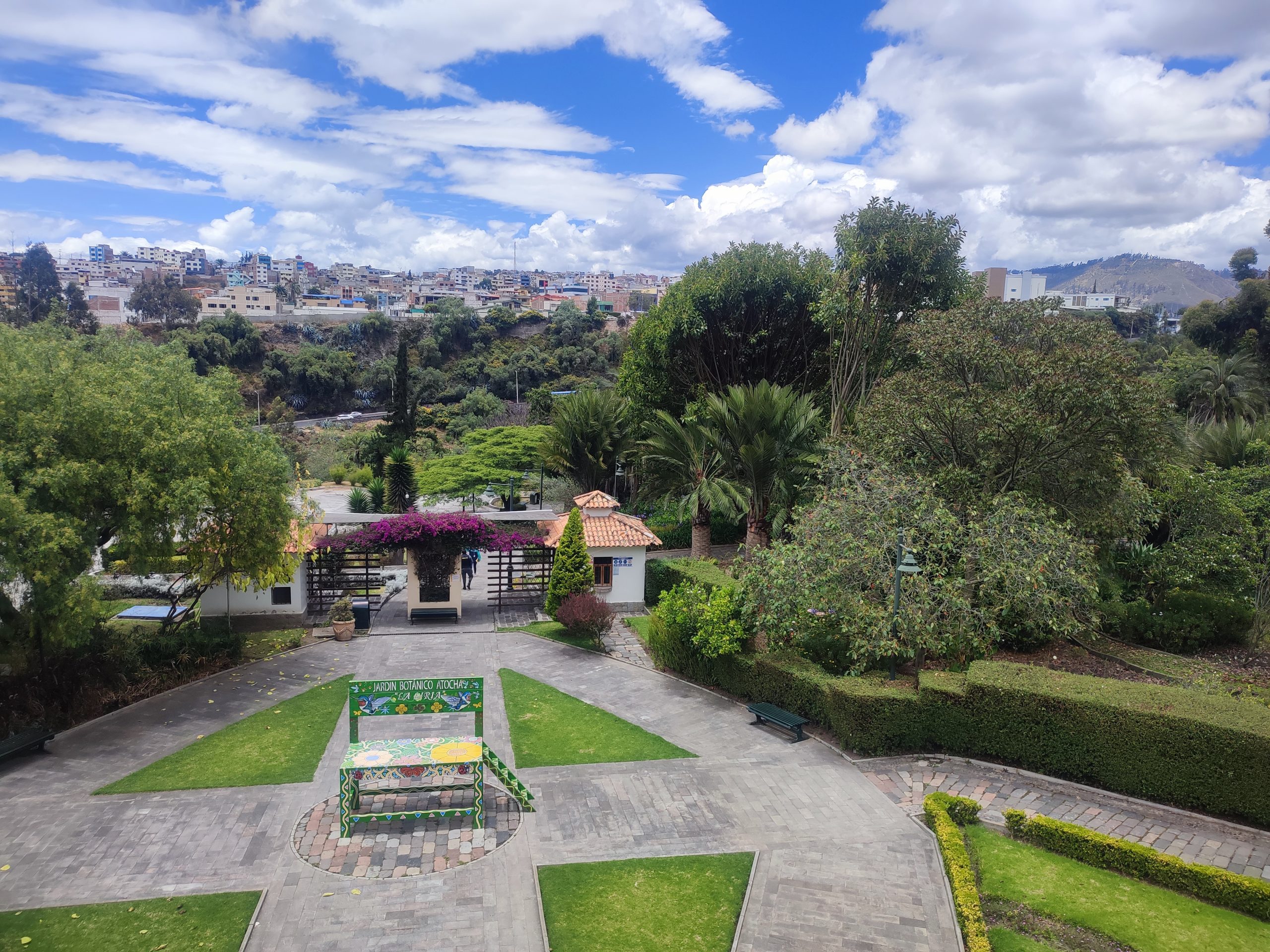
We wandered through Miraflores and loved seeing the orchards and gardens there. Each street in the neighborhood is named after a different flower, which added a quaint touch. Walking through it felt like stepping back in time. If you want somewhere unique in Ecuador, consider adding Ambato to your itinerary.
Ambato might not be as famous as other Ecuadorian cities, but don’t let that fool you. This modest yet charming city is an emerging tourist spot with plenty to offer. From hidden gems to unique experiences, Ambato will surprise you with its interesting places to visit and things to do.
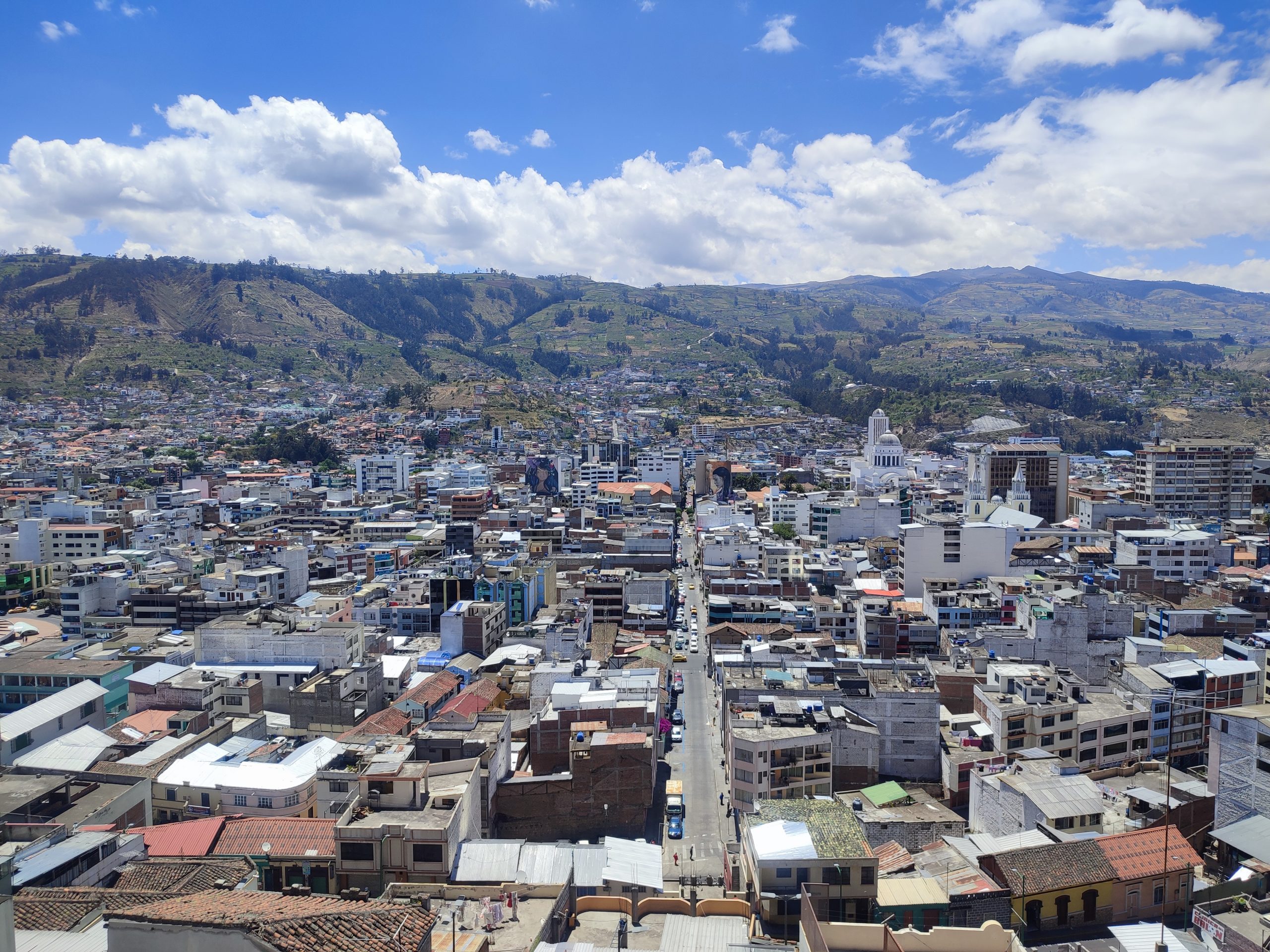
We’ve put together a list of must-do activities in Ambato and its surrounding areas. Adding this city to your travel plans is sure to be a rewarding choice!
What Is The Miraflores Neighborhood In Ambato, Ecuador?
Miraflores is one of Ambato's oldest and most charming neighborhoods. It began to flourish with the railway that once connected Ambato to Quito around the early 1900s. Although the railway has long been out of service, the area kept its character. Orchards and gardens highlight the city's natural beauty, and each street is named after a different flower.
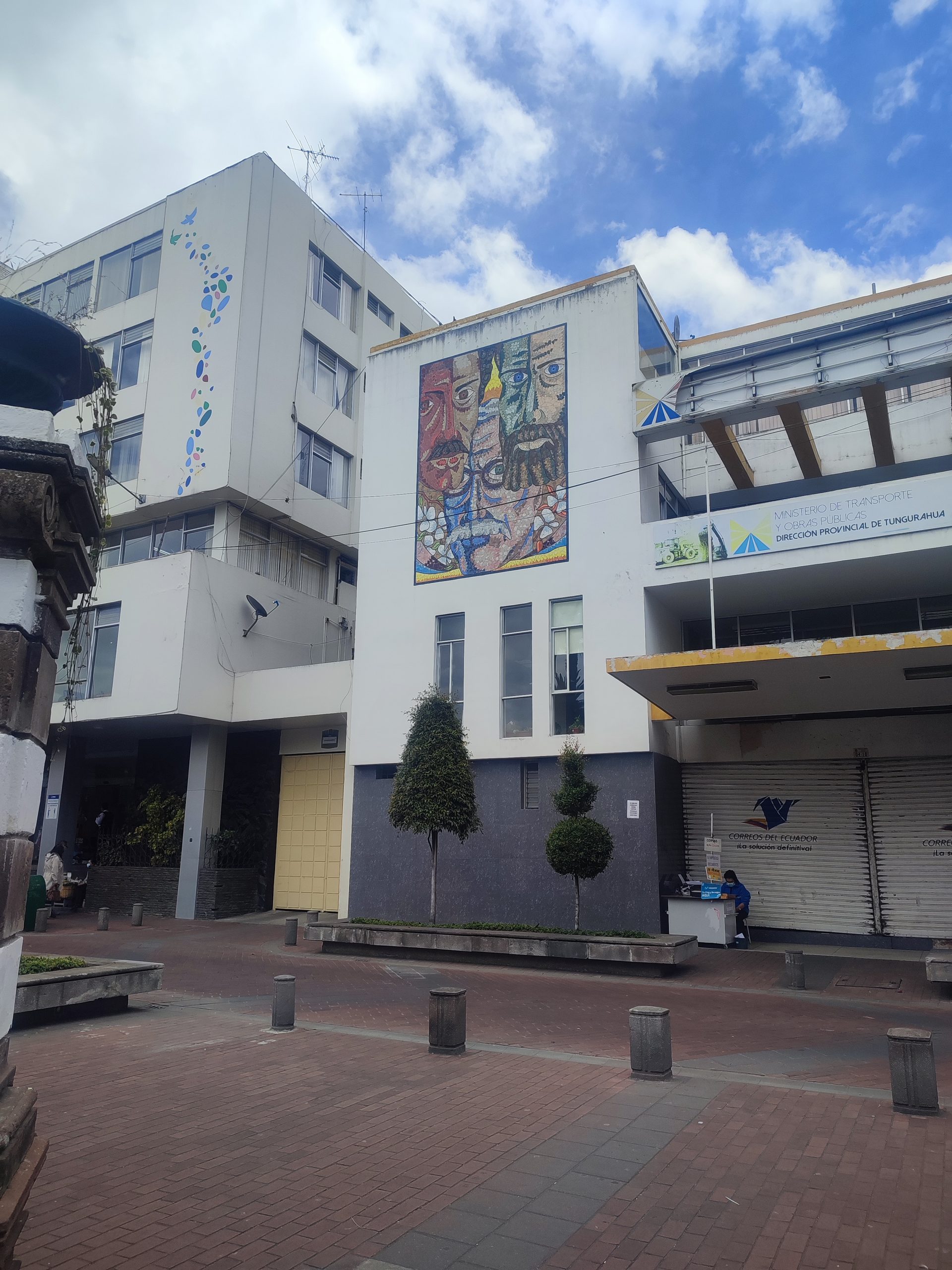
Miraflores is one of Ambato’s most charming and unique neighborhoods, and walking through it felt like stepping back in time. This area, among the oldest in the city, began to flourish with the railway that once connected Ambato to Quito around the early 1900s. Although the railway has long been out of service, it left behind a neighborhood that’s full of character and history.
As we wandered through Miraflores, we loved seeing the beautiful orchards and gardens that really highlight Ambato’s natural beauty. One detail that made us smile was discovering that each street is named after a different flower—it added such a quaint touch to this already picturesque place.
What Is Ambato, Ecuador Known For?
Ambato and its surrounding areas are known throughout Ecuador for their fruit cultivation, especially peaches, and for flowers. The city celebrates the Carnival of Flowers and Fruits, usually between mid-February and early March, before Ash Wednesday. For two weeks there are parades, outdoor performances, beauty pageants, bullfights, and street fairs with pop-up amusement rides.
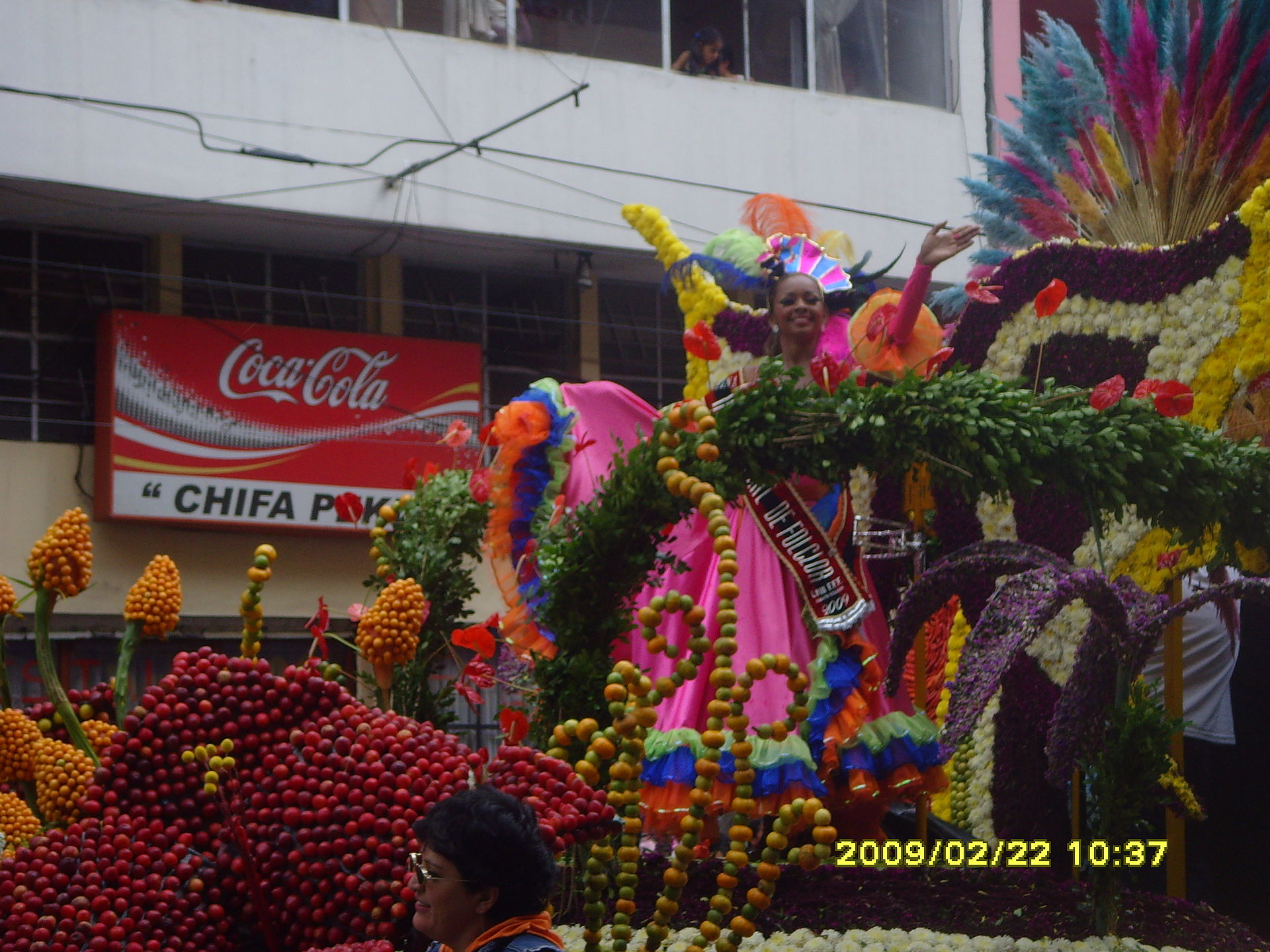
Ambato and its surrounding areas are famous throughout Ecuador for their fruit cultivation. Locals will tell you that there’s nothing quite like biting into an Ambato-grown peach fresh off the tree—some say they’re among the best in the world.
If you’re into celebrations, try to time your visit with the “Carnival of Flowers and Fruits.” We missed it during our trip, but locals gave us a vivid picture of the festivities. For two weeks, Ambato comes alive with parades, outdoor performances, beauty pageants, bullfights, and bustling street fairs, complete with pop-up amusement rides. It sounds like an experience that brings the whole city to life!
The festival dates vary slightly each year, usually falling between mid-February and early March, right before Ash Wednesday and the start of Lent, in line with the typical Latin American Carnaval season. We’d love to return someday to experience this vibrant celebration firsthand—it sounds like an incredible way to see Ambato at its liveliest!
Why Visit Juan Montalvo's Mausoleum In Ambato, Ecuador?
The mausoleum is one of Ambato's earliest and most remarkable structures. Its façade shows unique architectural details, and traditional local materials reflect the craftsmanship of Ecuador's early architects. The stone building marks a significant turning point in the city's rapid urbanization. It stands at the center of the historic district and offers a glimpse into Ambato's history and development.
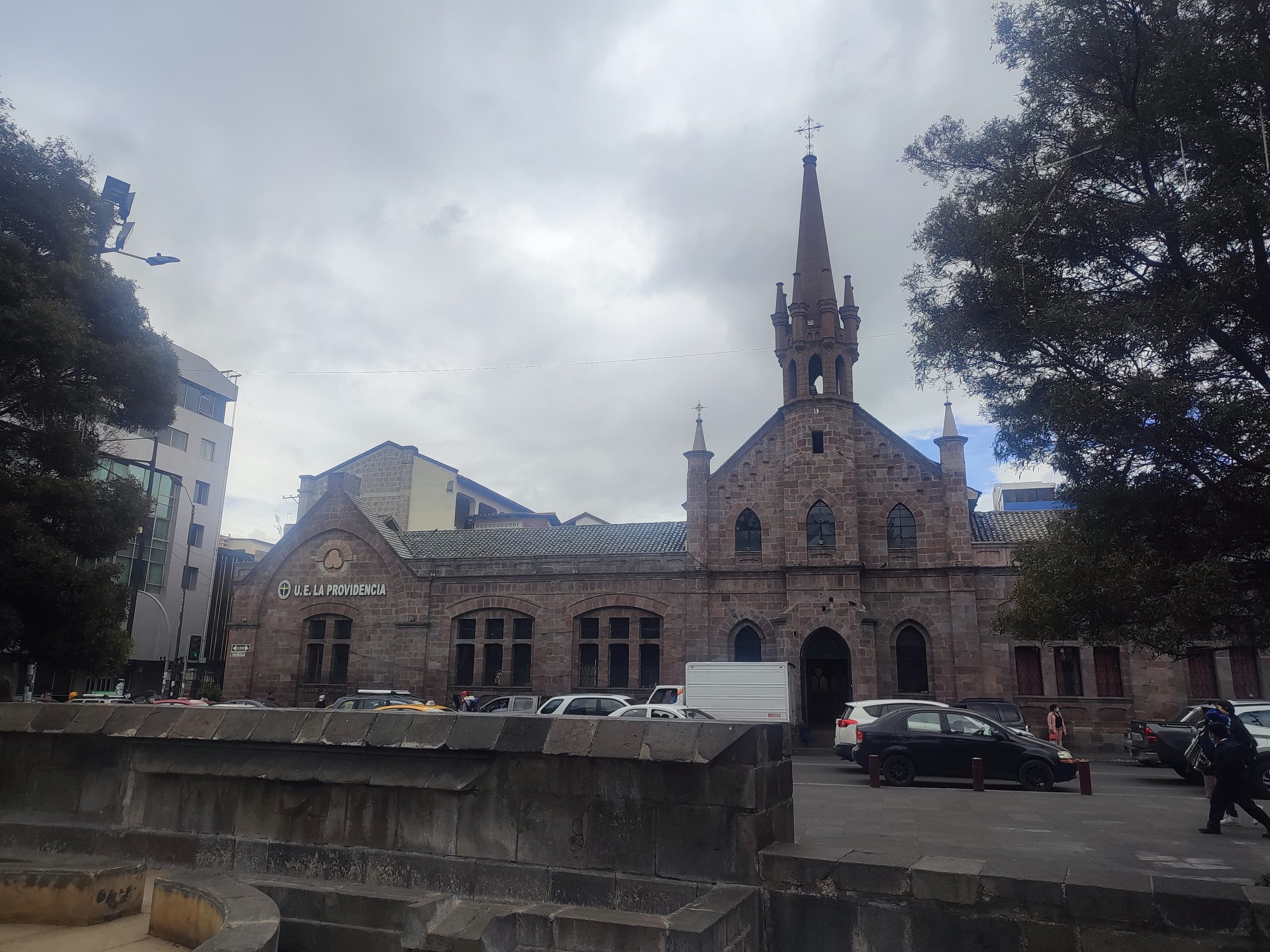
This mausoleum stands as one of Ambato’s earliest and most remarkable structures. We admired the unique architectural details of its façade, which, along with the use of traditional local materials, really showcases the craftsmanship of Ecuador’s early architects. It’s an impressive reminder of the skill and artistry present in Ambato’s history.
The structure marks a significant turning point in the city’s rapid urbanization. Ambato has been the site of many important administrative and political events, and this imposing stone building stands proudly at the center of the historic district. It’s definitely a must-see while exploring the city, offering a glimpse into Ambato’s rich history and development.
What Is The Casa Del Portal In Ambato, Ecuador?
Casa del Portal is a renowned and historic structure that has become a defining feature of Ambato's landscape. Its colonial design is emblematic of South American growth in the 19th century, reflected in its structure. Today the building is regarded as an important piece of Ambato's history, adding to the city's charm and cultural significance.
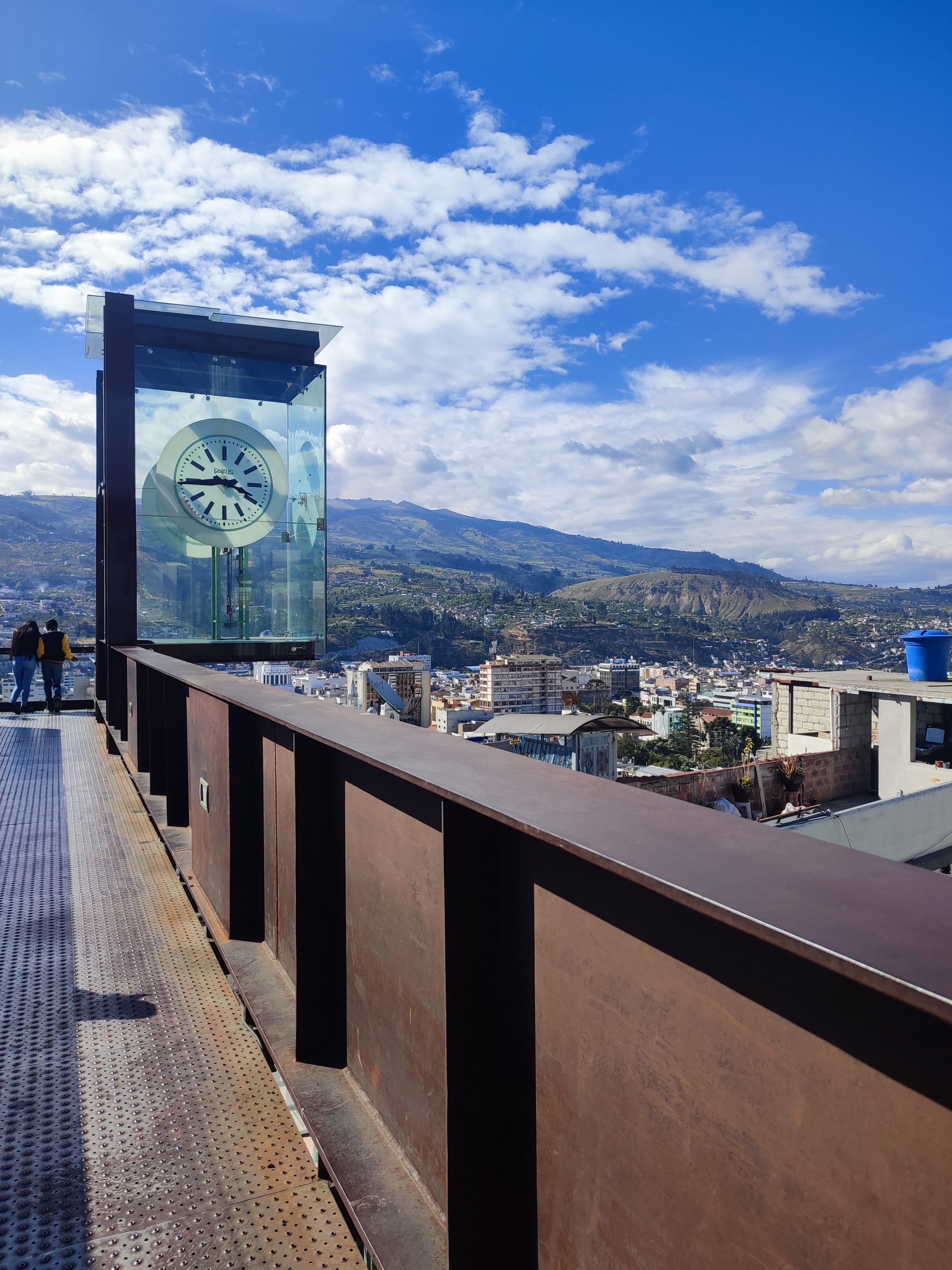
The renowned Casa del Portal is another remarkable and historic structure that has become a defining feature of Ambato’s landscape.
We were truly impressed by the architecture of this building. Its colonial design is emblematic of South American growth in the 19th century, beautifully reflected in its structure. Today, Casa del Portal is regarded as an important piece of Ambato’s rich history, adding to the city’s charm and cultural significance.
What Is Cevallos Park In Ambato, Ecuador?
Cevallos Park, formerly known as Plaza de San Bartolomé, was the town's second square and serves as a vital gathering spot for locals. It was named in honor of the scholar Pedro Fermin Cevallos. The park offers benches where visitors can take a break, unwind, soak in the surroundings, and enjoy a moment of tranquility after exploring Ambato.
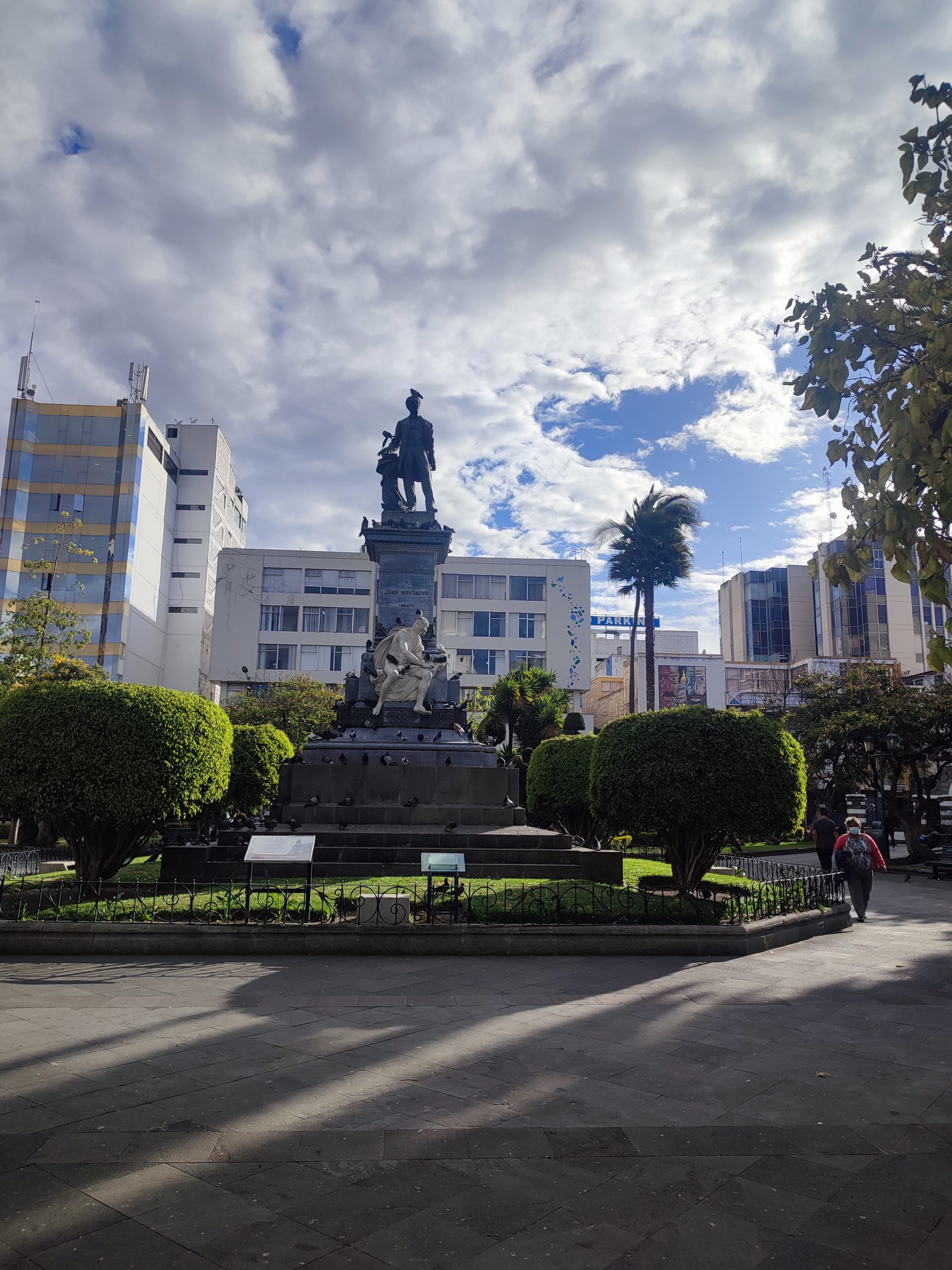
Cevallos Park, formerly known as Plaza de San Bartolomé, was the town’s second square and serves as a vital gathering spot for locals. It was named in honor of the esteemed scholar Pedro Fermin Cevallos.
After a long day of exploring Ambato, we decided to take a break and relax on the benches in this lovely park. It was the perfect place to unwind, soak in the surroundings, and enjoy a moment of tranquility amid our adventures.
What Are The Markets In Ambato, Ecuador?
Ambato's markets are traditional hubs where locals and people from the highlands trade goods, known especially for fruits and flowers. Mercado Central sits a block northeast of Parque 12 de Noviembre on Avenida 12 de Noviembre, while Mercado Modelo is about two blocks northeast of Parque Cevallos. Monday is busiest, then Wednesday and Friday.
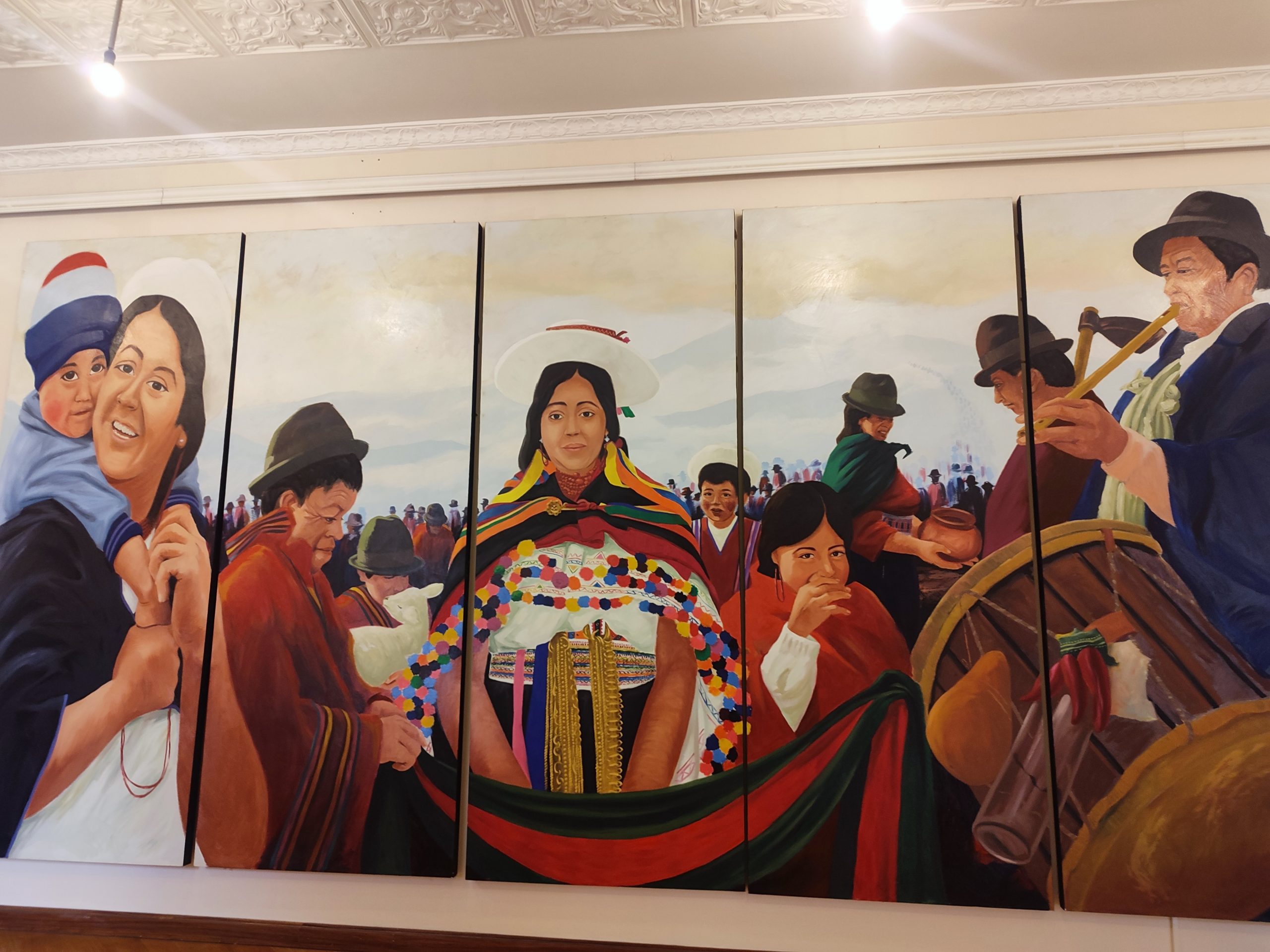
Ambato’s markets are famous for their vibrancy and activity, serving as traditional hubs where locals and people from the highlands come together to trade goods. The city is particularly known for its fruits and flowers. Monday is the busiest trading day, followed closely by Wednesday and Friday.
Each day of the week, Ambato’s bustling Mercados Central and Modelo offer a diverse array of products. You can find Mercado Central just a block northeast of Parque 12 de Noviembre on Avenida 12 de Noviembre, while Mercado Modelo is located about two blocks northeast of Parque Cevallos, on the southeast side of Avenida Cevallos.
On market days, vendors fill the downtown streets surrounding these two marketplaces, creating a lively atmosphere that’s a joy to experience.
Why Try Empanadas In Atocha, Ambato, Ecuador?
Atocha is one of Ambato's earliest established parishes, historically situated along the railway that connected to Quito. It has been home to prominent Ecuadorian families and is believed to have shaped much of Ecuador's modern culture, including literature, artwork, and the national hymn. The empanadas here offer flavors considered unique compared to those found in other cities.
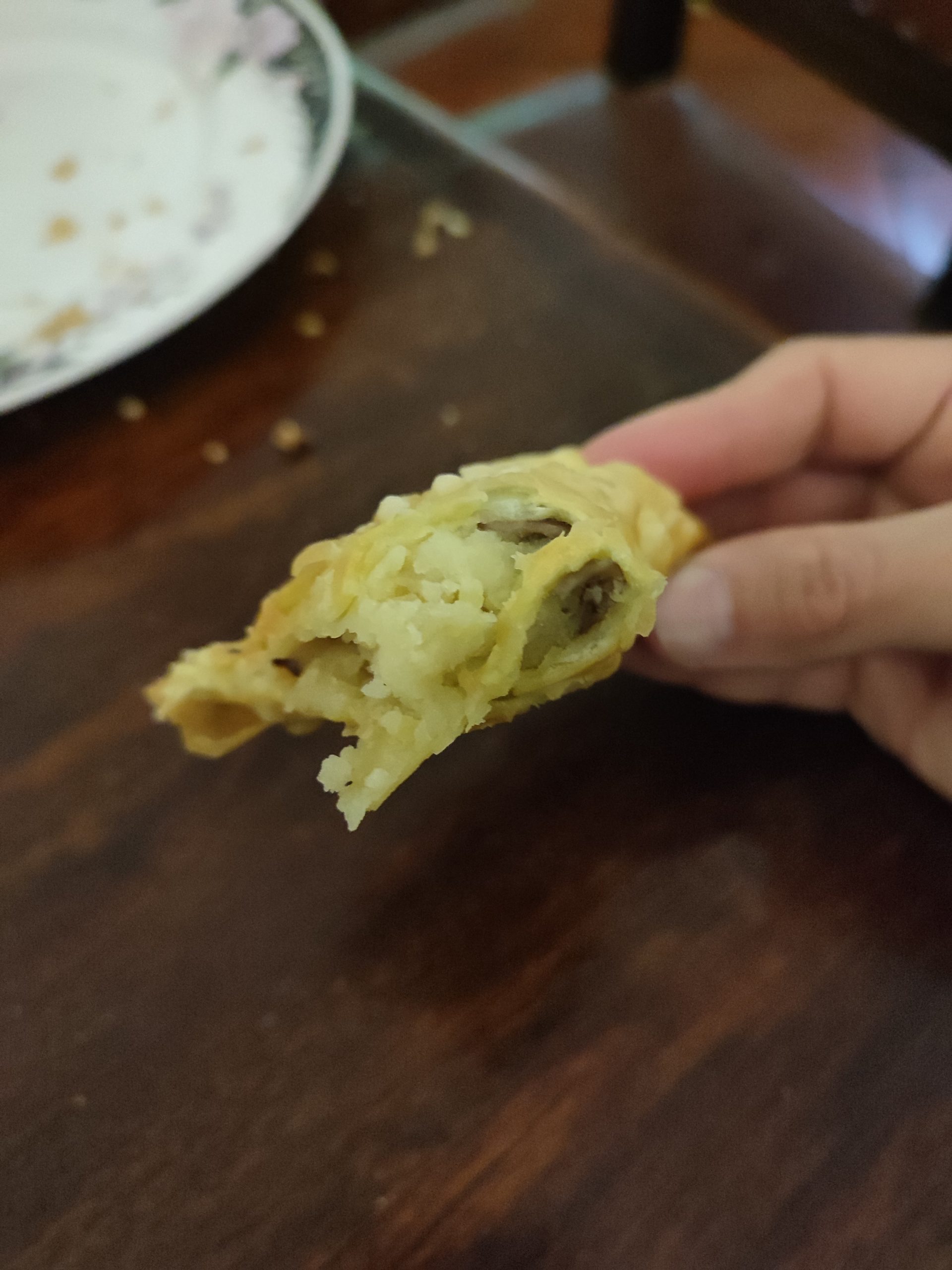
Ambato’s Atocha parish is one of the city’s earliest established areas, historically situated along the railway that connected to Quito. Its rich cultural history is fascinating, as it has been home to some of Ecuador’s most prominent and respected families.
This region is believed to have significantly shaped much of Ecuador’s modern culture, contributing to exceptional literature, artwork, and even the country’s national hymn!
If you’re a fan of empanadas, Atocha is the place to be, offering some of the best in Ecuador! The flavors here are truly unique compared to those I’ve tried in other cities, making it a must-try for any food lover.
What Is The Museum Of The Bolivar Higher Technical Institute In Ambato?
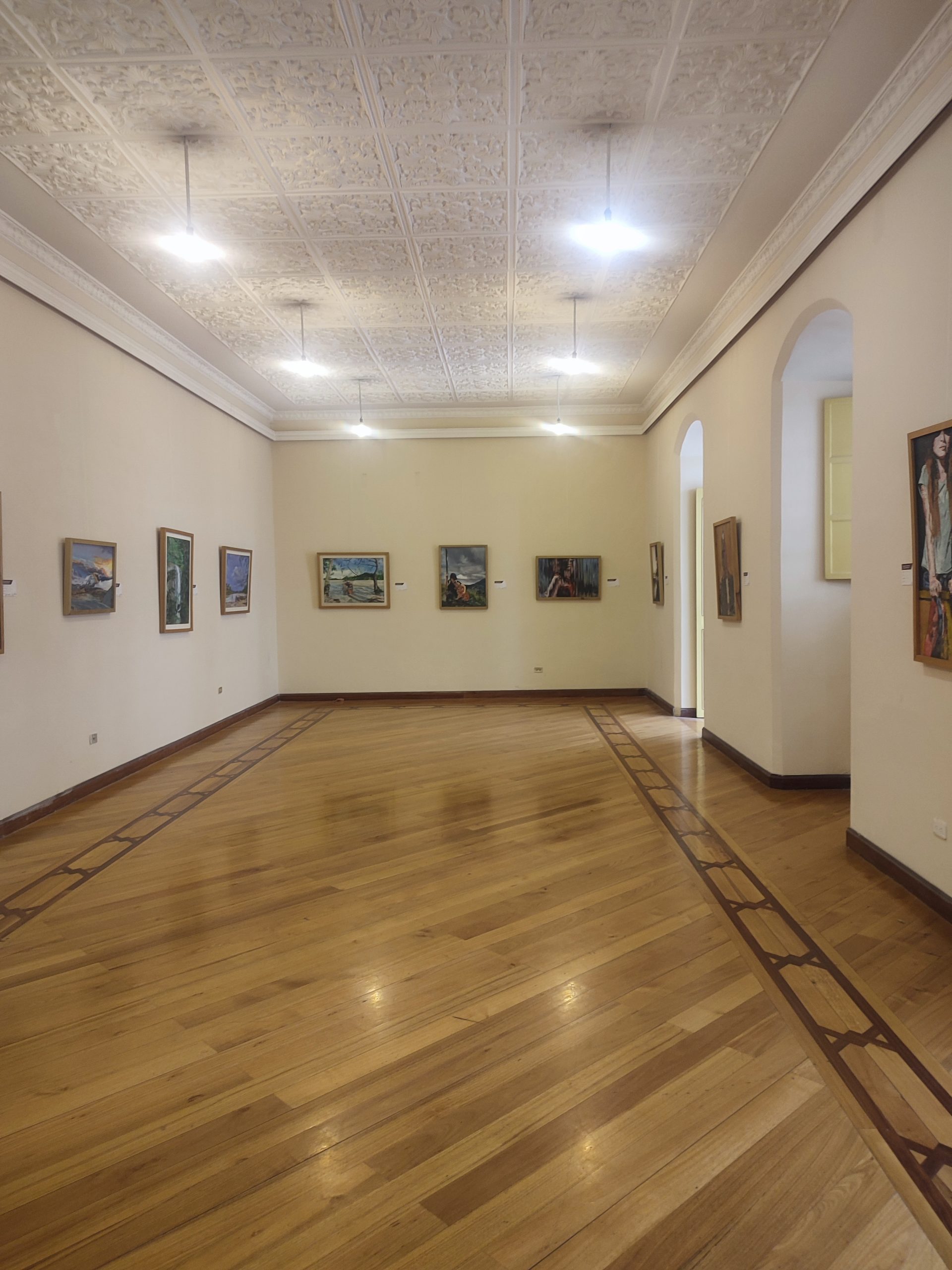
The museum began with a focus on the natural sciences but has evolved into a multidisciplinary institution. It serves as a window into Ecuador's history and the scientific principles behind its diverse flora and fauna. The exhibits provide insights into Ecuador's past and natural heritage, making it a worthwhile stop for anyone interested in history and culture.
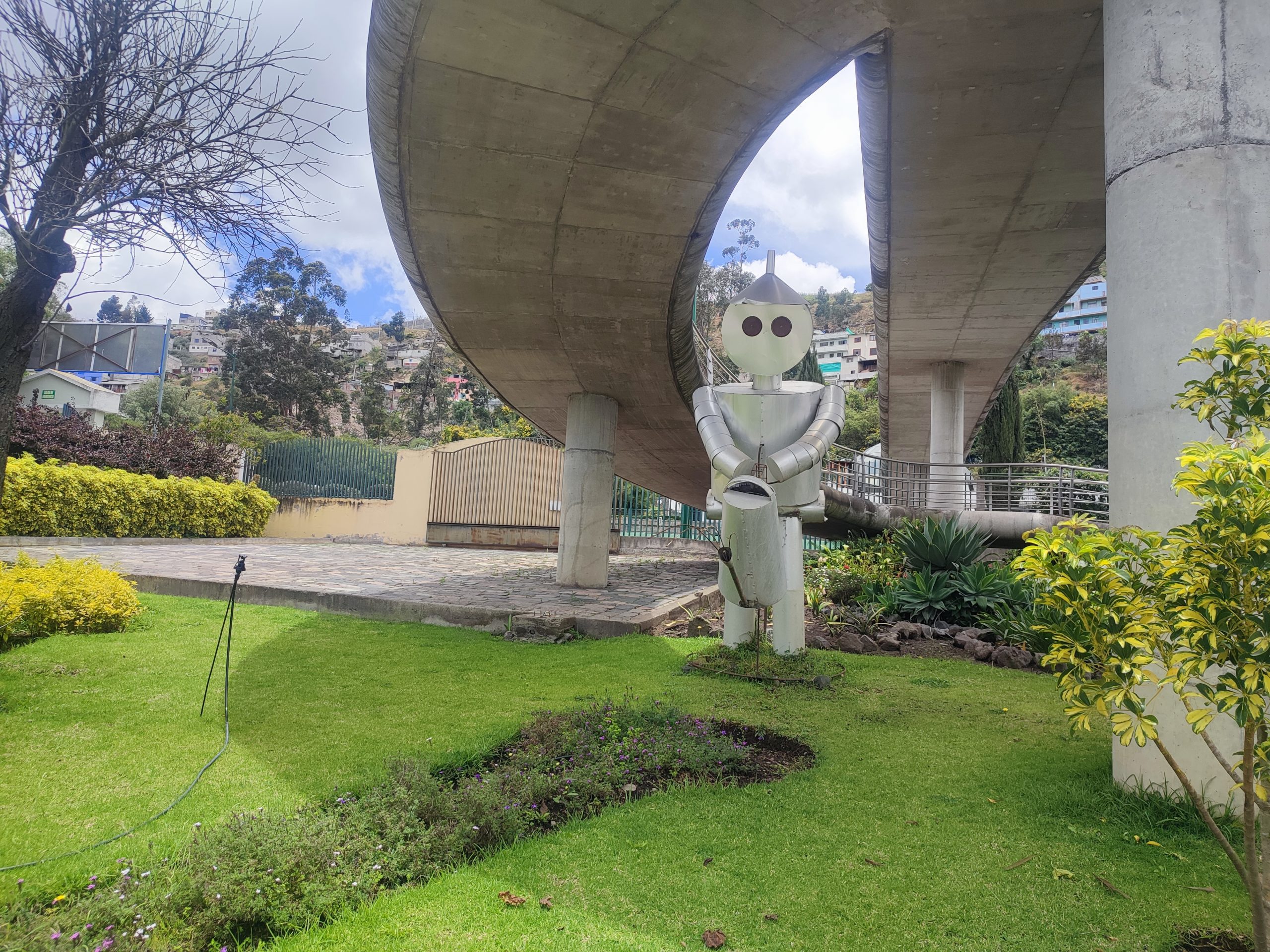
This museum began with a focus on the natural sciences but has evolved into a boldly multidisciplinary institution. It serves as a window into Ecuador’s rich history as well as the scientific principles behind its diverse flora and fauna.
Initially, I was hesitant to visit, as I’m not particularly fond of antiques and historical artifacts. However, if you have an interest in history and culture—like my travel companion—it’s definitely worth a stop. The exhibits provide valuable insights into Ecuador’s past and its natural heritage.
Where Can You Buy Leather Goods And Handicrafts In Ambato, Ecuador?
Quisapincha is the place for handcrafted, artisan goods in Ambato. It offers a wide variety of leather products, from coats and shoes to jeans and caps. Prices are much lower than in major shopping districts like Quito, and there is real opportunity for bargain hunting. Along with leather, Ambato is known for its flowers, fruit, and empanadas.
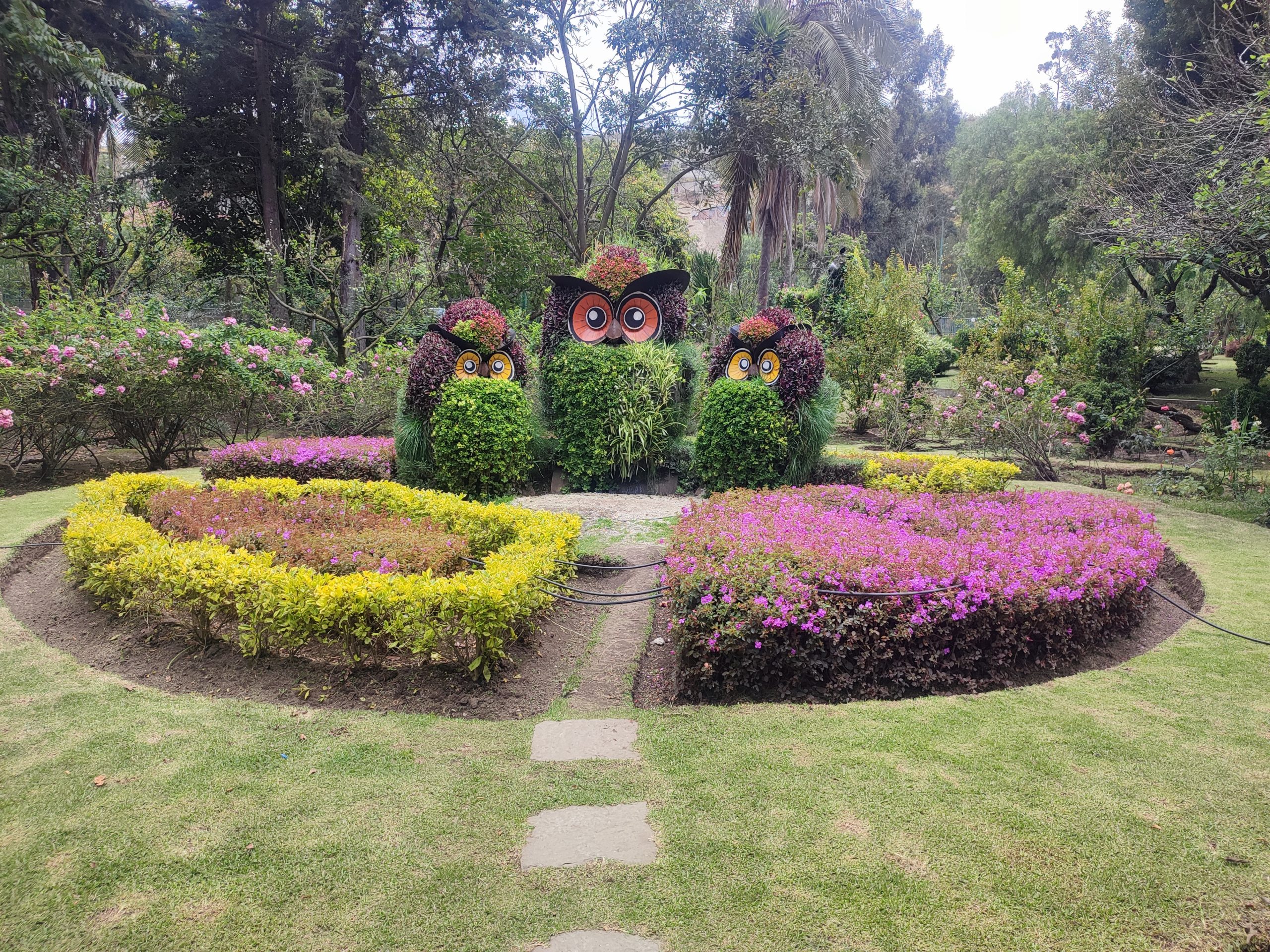
If you’re looking for handcrafted, artisan goods, Quisapincha is an absolute gem in Ambato. I was really impressed by the variety of leather products available—everything from coats and shoes to jeans and caps.
What I loved most about Quisapincha was the opportunity for bargain hunting. The prices are so much lower than in major shopping districts like Quito. I even scored a fantastic pair of leather shoes for half the usual price! It felt like a real victory, and I couldn’t help but share my excitement about finding such great deals.
Is Ambato, Ecuador Worth Visiting?
Yes. Ambato is a charming town in Ecuador known for its beautiful flowers and delicious fruits, especially peaches. The city has remained somewhat off the beaten path, with a welcoming and friendly atmosphere. Highlights include the Miraflores neighborhood, the Carnival of Flowers and Fruits, local markets, and Quisapincha's leather goods. Consider adding it to your Ecuador itinerary.
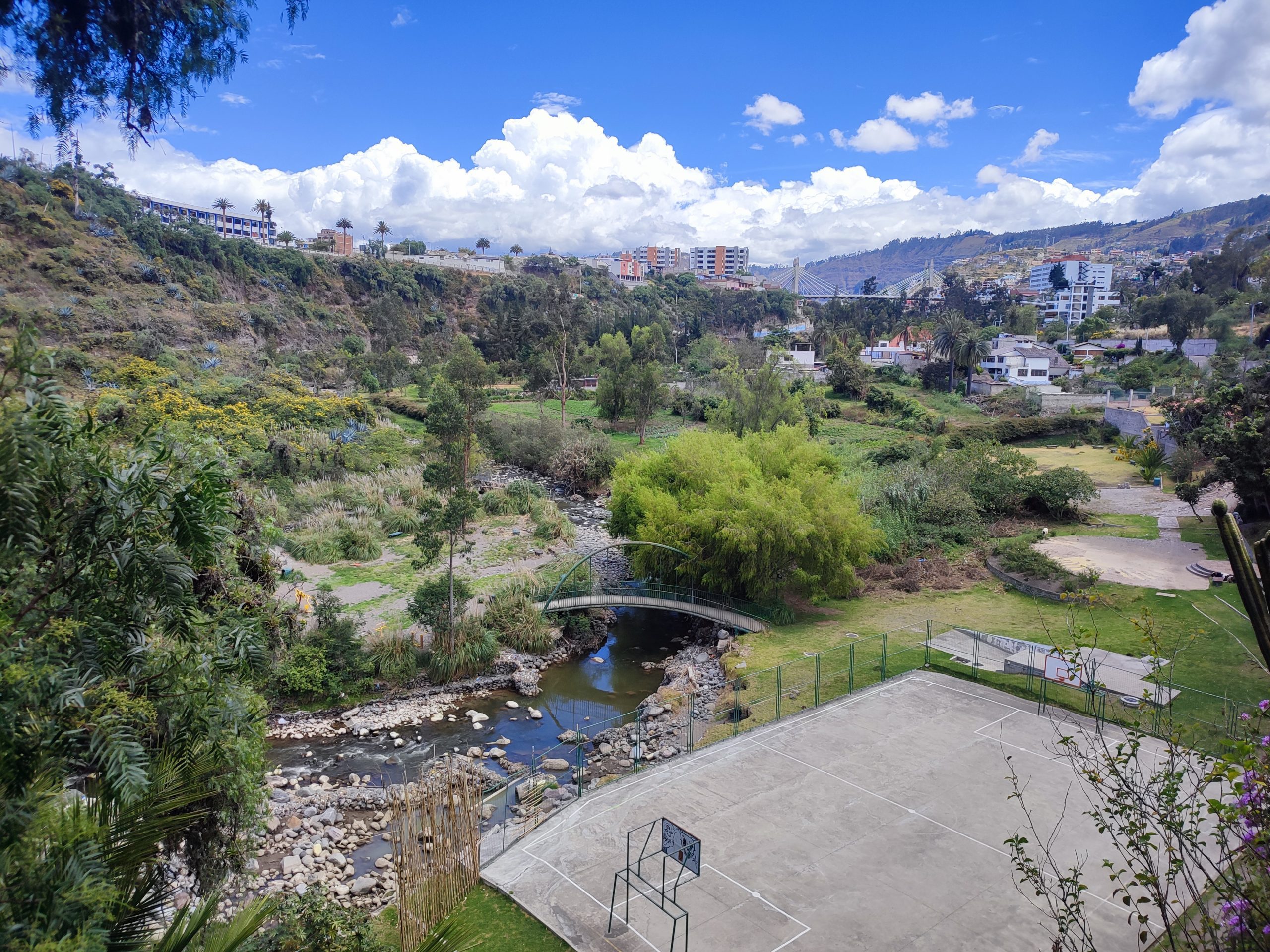
Ambato is a charming town in Ecuador, renowned for its beautiful flowers and delicious fruits. Although it has remained somewhat “off the beaten path” for tourists, it’s now attracting more international travelers than ever as word spreads about its welcoming and friendly atmosphere.
If you’re planning a trip to Ecuador and want to explore somewhere unique, definitely consider adding Ambato to your itinerary. It offers a delightful experience that captures the essence of Ecuadorian culture.
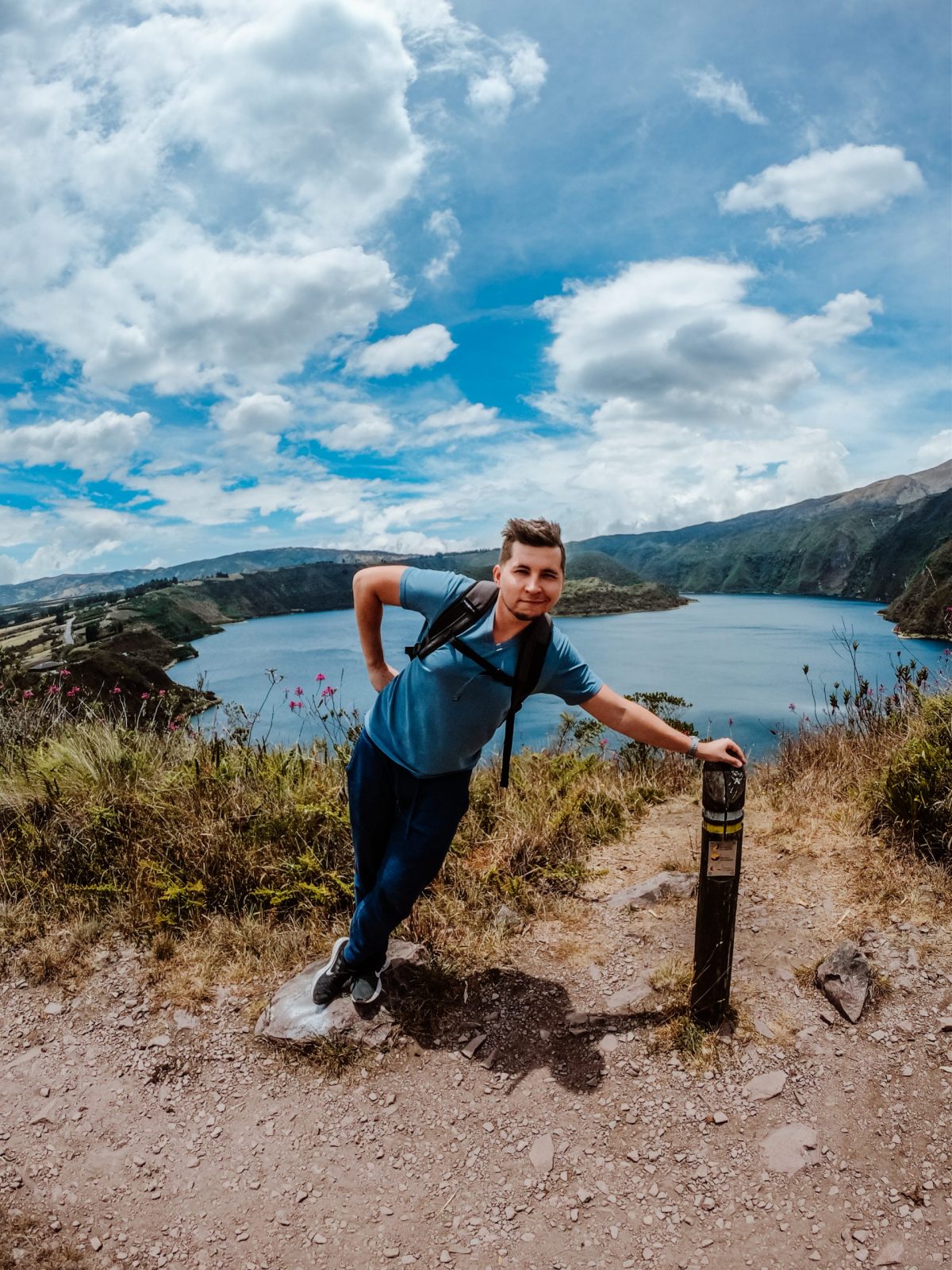
Planning trip to Ecuador?
My wife and I spent 15 days traveling from the northern part of Ecuador to the south, 11 of them in a rental car, visiting amazing cities like Quito, Otavalo, Baños, Cuenca, and Guayaquil. Along the way, we explored iconic places such as Cotopaxi National Park, Quilotoa Lake, and many more breathtaking destinations.
Not many blogs cover traveling in Ecuador in detail, so I spent nearly three weeks creating this comprehensive Ecuador travel guide based on our trip. It’s packed with everything you need to know, and honestly, I consider it the best free travel guide about Ecuador out there.
If you’re planning a trip to Ecuador, don’t forget to use my link for discounted hotel prices through Booking.com. It’s a great way to support my blog while saving money on your accommodations!
Questions About Ambato
Is Ambato, Ecuador worth visiting?
Ambato is a modest, charming city that has stayed somewhat off the beaten path. Highlights include the Miraflores neighborhood, large markets, Juan Montalvo's mausoleum, the Casa del Portal, Atocha's empanadas and leather shopping at Quisapincha.
What is Ambato, Ecuador known for?
Ambato and its surroundings are famous across Ecuador for fruit growing, with locals praising the peaches, and for flowers. The Carnival of Flowers and Fruits is its big festival, and the city's markets are known for fruit and flowers.
Where is Ambato?
Ambato is the capital of Tungurahua province, in the Ecuadorian highlands. Its Miraflores and Atocha areas grew up along the railway that once connected the city to Quito.
How many people live in Ambato?
The 2022 census counted 177,316 people in Ambato's urban area and 370,664 in the whole canton.
What is there to do in Ambato?
Options include walking Miraflores, timing a visit for the Carnival of Flowers and Fruits, seeing Juan Montalvo's mausoleum, the Casa del Portal and Cevallos Park, shopping at Mercado Central and Mercado Modelo, trying empanadas in Atocha, visiting the Bolivar Higher Technical Institute museum and buying leather goods at Quisapincha.