Driving in Ecuador: Is it Safe for Tourists or Not? My Experience
Quick Facts About Driving In Ecuador
| US driver's license | Valid for up to 90 days (US State Department) |
|---|---|
| Urban speed limit | 50 km/h |
| Open road speed limit | 100 km/h on straight roads, 90 km/h on perimeter roads, 60 km/h on curves |
| Insurance | SPPAT is compulsory, about USD 57 a year for a private car |
| Tolls | About USD 0.50 to 1.00 |
Our Take On Driving In Ecuador
Driving in Ecuador was a fantastic experience for me. I rented through Expedia and chose Enterprise for unlimited kilometers. I started my first day on a Sunday morning, when traffic was light, and used Waze and Maps.me for navigation. We drove from Otavalo to Guayaquil, and our longest stretch from Baños to Cuenca took over seven hours.
Driving in Ecuador turned out to be a fantastic experience for me. The country isn’t heavily populated, and much of it is rural, so traffic is generally manageable. I highly recommend booking through Expedia rather than directly with a rental office; this way, you’ll have all your confirmations in hand. I’d also suggest choosing Enterprise, as they offer unlimited kilometers—a big plus for exploring.
However, driving in Ecuador’s major cities, like Quito and Guayaquil, can be a bit more challenging, especially after dark, as both cities have their unique driving quirks. It’s a good idea to ask the rental company for advice if you need to drive at night. Local drivers sometimes ignore traffic lights and don’t often use turn signals, which takes a little getting used to.
I expected driving in Ecuador to be way more challenging than it was, you can check driving parts in my big Ecuador’s travel guide video:
What Is Driving Like In Ecuador?
Ecuador has improved many of its major highways in recent years, which has enhanced road safety, though the overall driving experience and its challenges remain. A Sunday morning start is recommended, since roads are quieter then. Waze or Maps.me work better than Google Maps, but rural signal can weaken, so defensive driving stays essential.
Ecuador has made significant improvements to many of its major highways in recent years, which has certainly enhanced road safety. However, these upgrades don’t entirely change the overall driving experience or the unique challenges you might face on Ecuadorian roads.
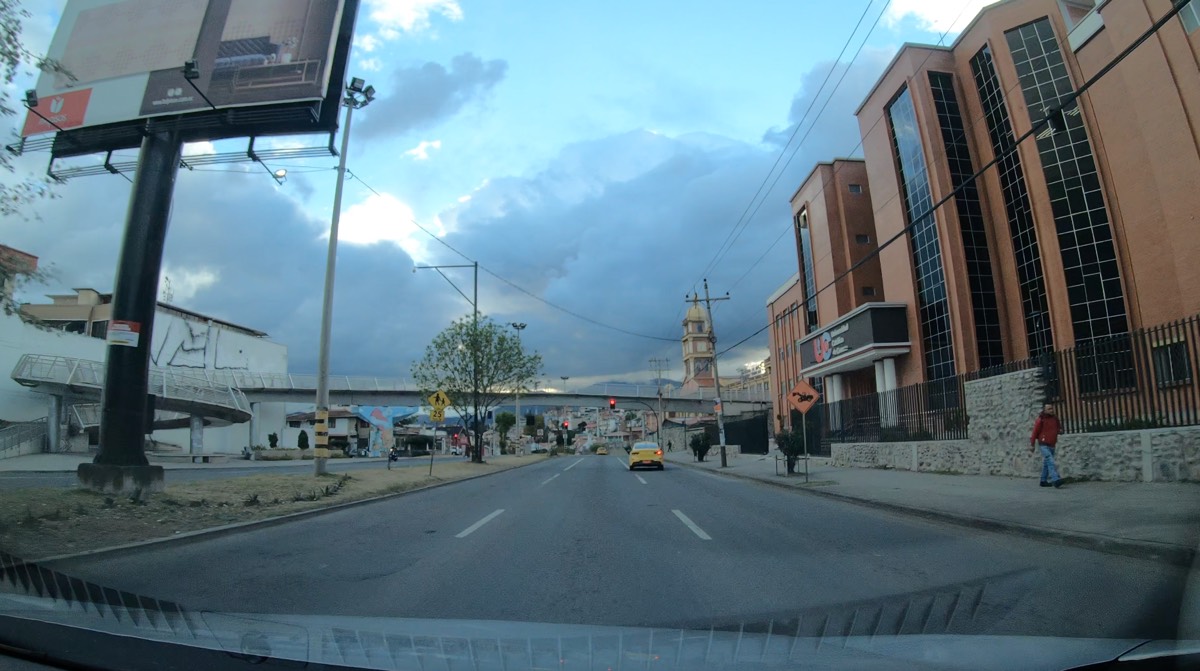
I chose to start my first day on the road on a Sunday morning, which gave me a relaxed chance to get the lay of the land, navigate traffic signs in a foreign language, and get a feel for the local driving practices. The roads were fairly quiet, likely because it was early on a Sunday, making it an ideal time to ease into driving in Ecuador.
For anyone driving here for the first time, I’d highly recommend a Sunday morning start to take advantage of the lighter traffic and get comfortable with the road.
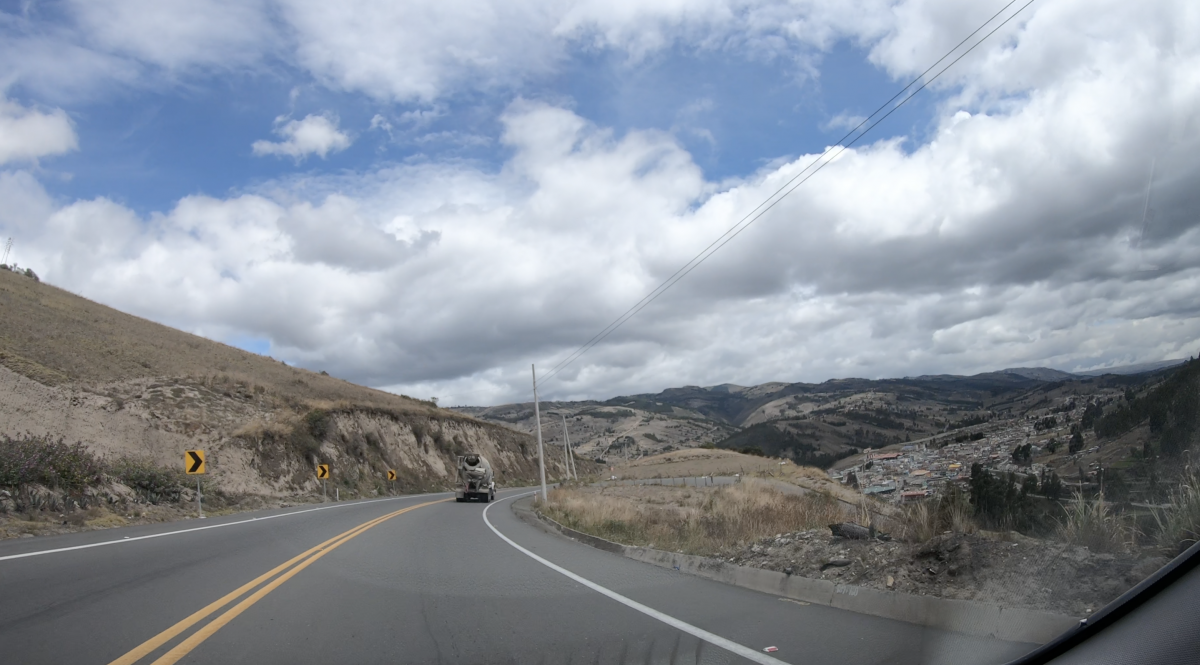
Using a GPS app is invaluable for navigating Ecuador. I highly recommend Waze or Maps.me over Google Maps, as these two are much better optimized for driving here. That said, keep in mind that rural areas can be tricky since the signal tends to weaken.
If you stick to city driving, you’ll miss out on one of the highlights of driving in Ecuador: the stunning, diverse landscapes beyond the urban areas. Make the most of your time by exploring the countryside. And always remember, defensive driving is essential for staying safe on the highways.
I also shared my impressions about driving in Ecuador in my video:
Is It Dangerous To Drive In Ecuador?
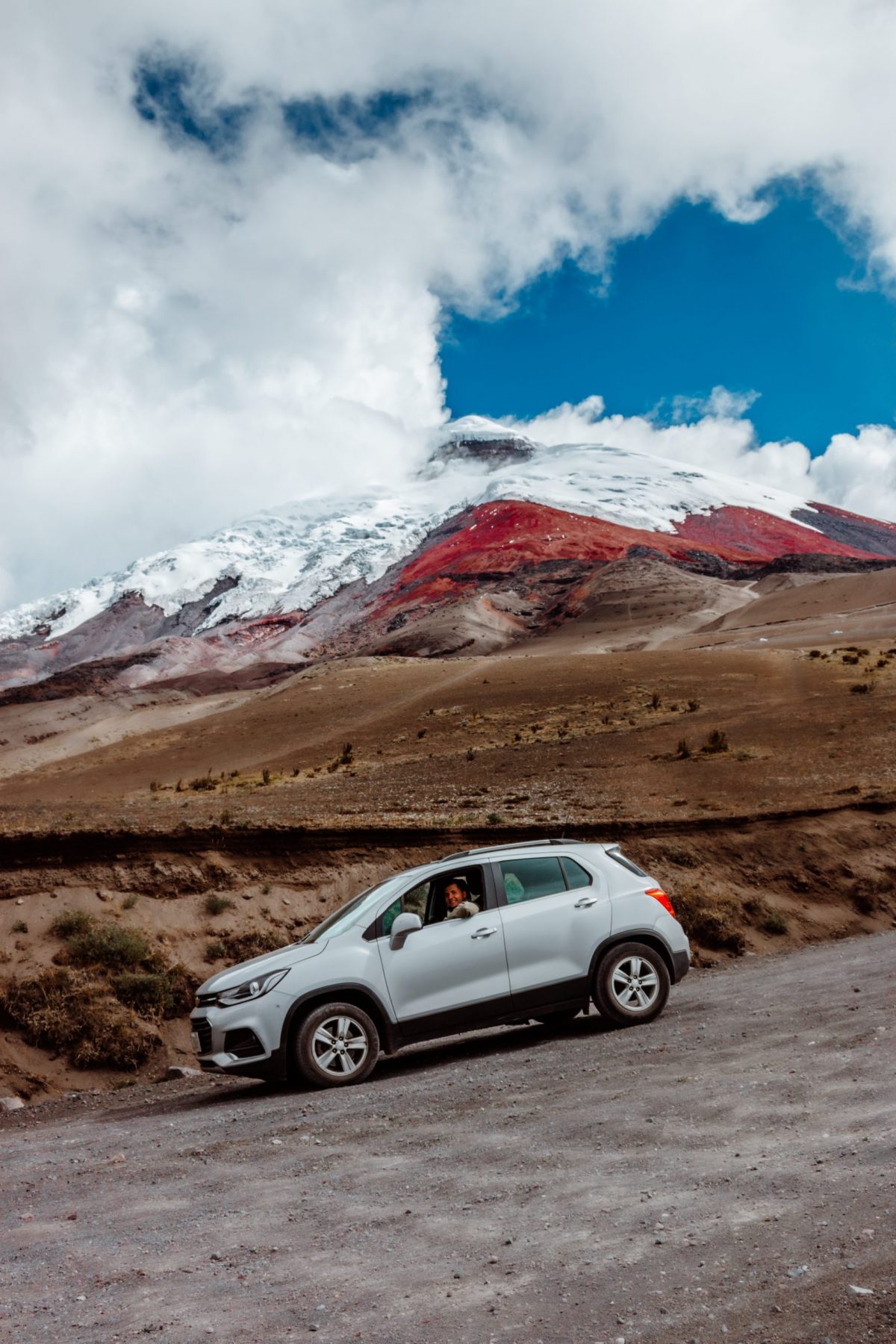
Road conditions can be unpredictable, and travel can still be risky, especially at night. Some roads, including in Cotopaxi National Park, remain unpaved, and some drivers pass aggressively around curves without visibility. Stop signs are not always respected. Still, Ecuador's compact size makes getting around by car relatively easy.
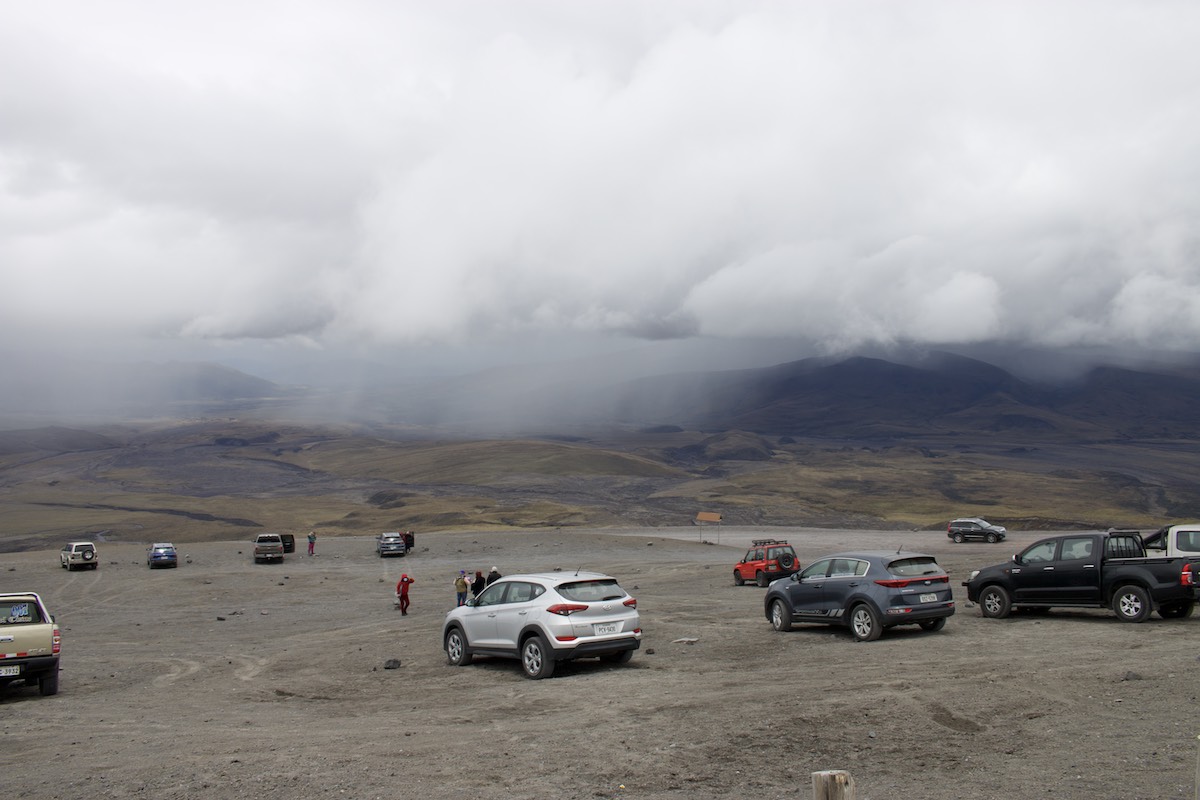
Road conditions in Ecuador can be quite unpredictable. While many highways have been significantly improved, road travel can still be risky, especially at night.
Certain roads remain unpaved, particularly in national parks like Cotopaxi. You’ll also encounter some drivers who pass aggressively around curves without clear visibility. Overall, I found the Ecuadorian driving style to be assertive, regardless of the vehicle.
Despite these challenges, the chance to explore Ecuador’s beautiful landscapes was worth it. Just remember to stay extra careful and attentive behind the wheel.
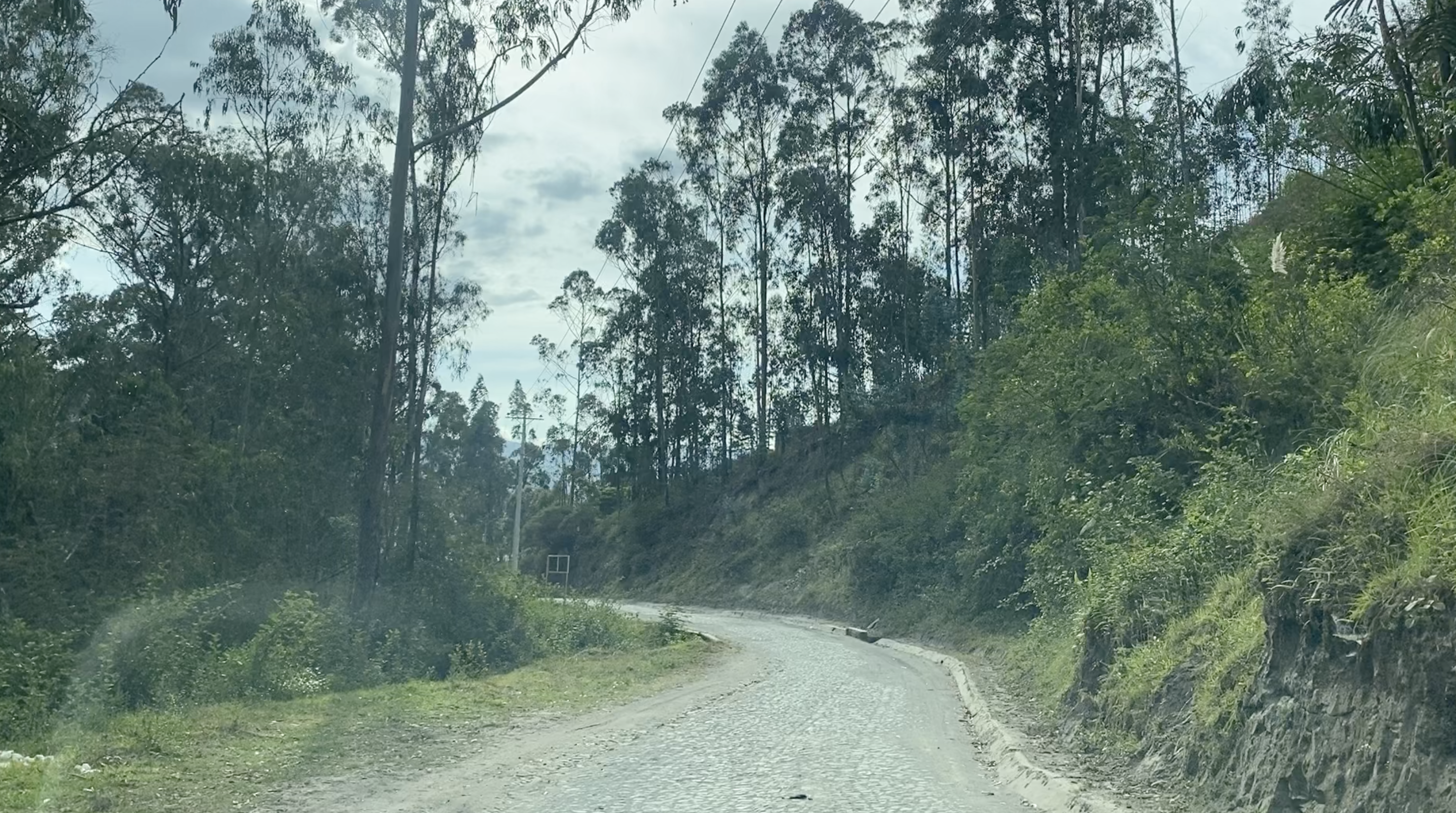
Ecuador’s compact size makes it relatively easy to get around by car. We managed to drive all the way from Otavalo to Guayaquil, and our longest stretch was from Baños to Cuenca—about 350 km—which took over seven hours. The time flew by, though, as we soaked in Ecuador’s stunning landscapes along the way.
One thing I noticed was that not all traffic signs are treated the same. In some neighborhoods, for instance, stop signs seemed more like suggestions—most drivers wouldn’t stop unless there was another vehicle approaching with a left turn signal. Being extra attentive in these situations is key.
What Are The Driving Laws In Ecuador?
Visitors from the US can drive on a valid US license for up to 90 days, though some rental companies ask for an international driving permit. Speed limits are 50 km/h urban, 90 km/h perimeter roads, 100 km/h straight roads, 60 km/h curves. Seatbelts and motorcycle helmets are mandatory, with a 0.03% blood-alcohol limit.
| Road | Maximum speed |
|---|---|
| Urban areas | 50 km/h |
| Perimeter roads | 90 km/h |
| Open straight roads | 100 km/h |
| Curves | 60 km/h |
Base limits for light vehicles under the 2012 traffic regulation, still cited in 2025 and 2026.
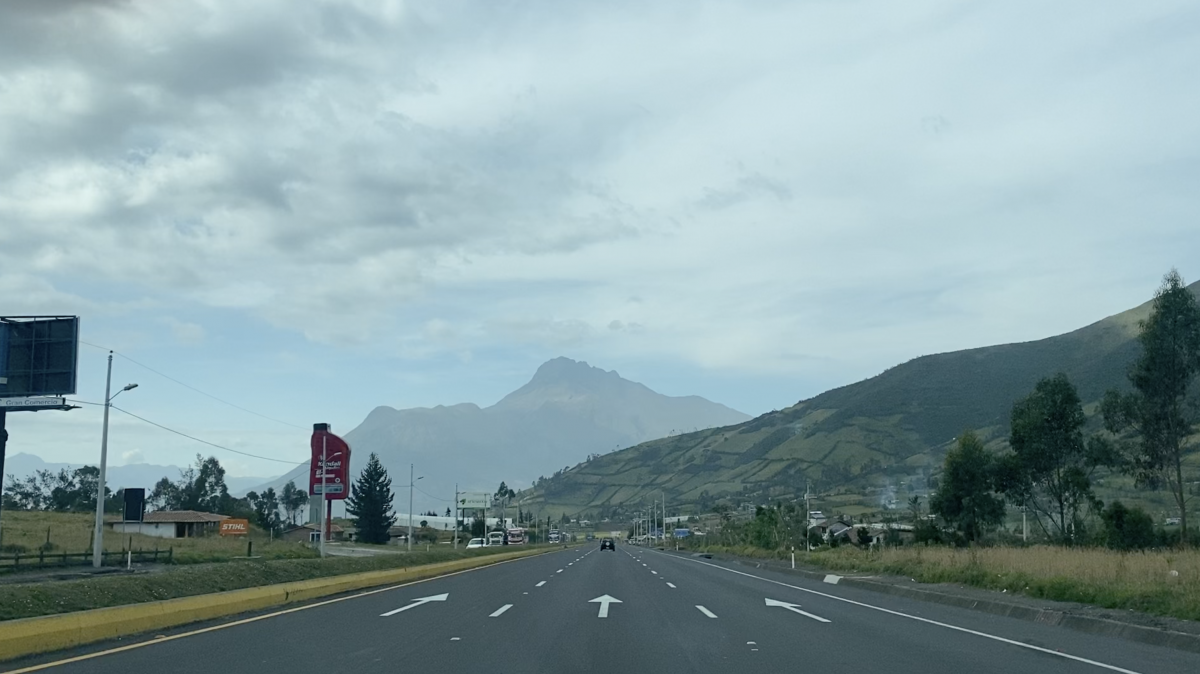
Visitors from the US can drive in Ecuador on a valid US driver’s license for up to 90 days, according to the US State Department, though some rental companies still ask for an international driving permit; visitors from other countries should check whether their license is accepted. Always remember to wear seatbelts.
In terms of speed limits, urban areas have a maximum of 50 km/h (30 mph), and going over 60 km/h (37 mph) could lead to penalties. On perimeter roads, the limit is 90 km/h (55 mph), with speeds between 90 km/h (55 mph) and 120 km/h (75 mph) considered infractions.
For straight roads, the speed limit is 100 km/h (60 mph), and speeds from 90 km/h (55 mph) to 135 km/h (84 mph) are violations with penalties. On curvy roads, the maximum is 60 km/h (37 mph), with speeds between 60 km/h (37 mph) and 75 km/h (45 mph) subject to fines.
Helmet use is mandatory for motorcyclists. While drinking and driving isn’t entirely prohibited, the blood-alcohol limit is 0.03%. However, it’s always safest to avoid drinking if you plan to drive.
What Tips Help When Driving In Ecuador?
Stay attentive to other drivers, since some change lanes abruptly and buses and trucks move quickly. Avoid nighttime driving where possible. GPS apps help, but rural signal can weaken, so basic Spanish phrases are useful. Police checkpoints are common, so always carry registration documents, a valid driver's license and your passport.
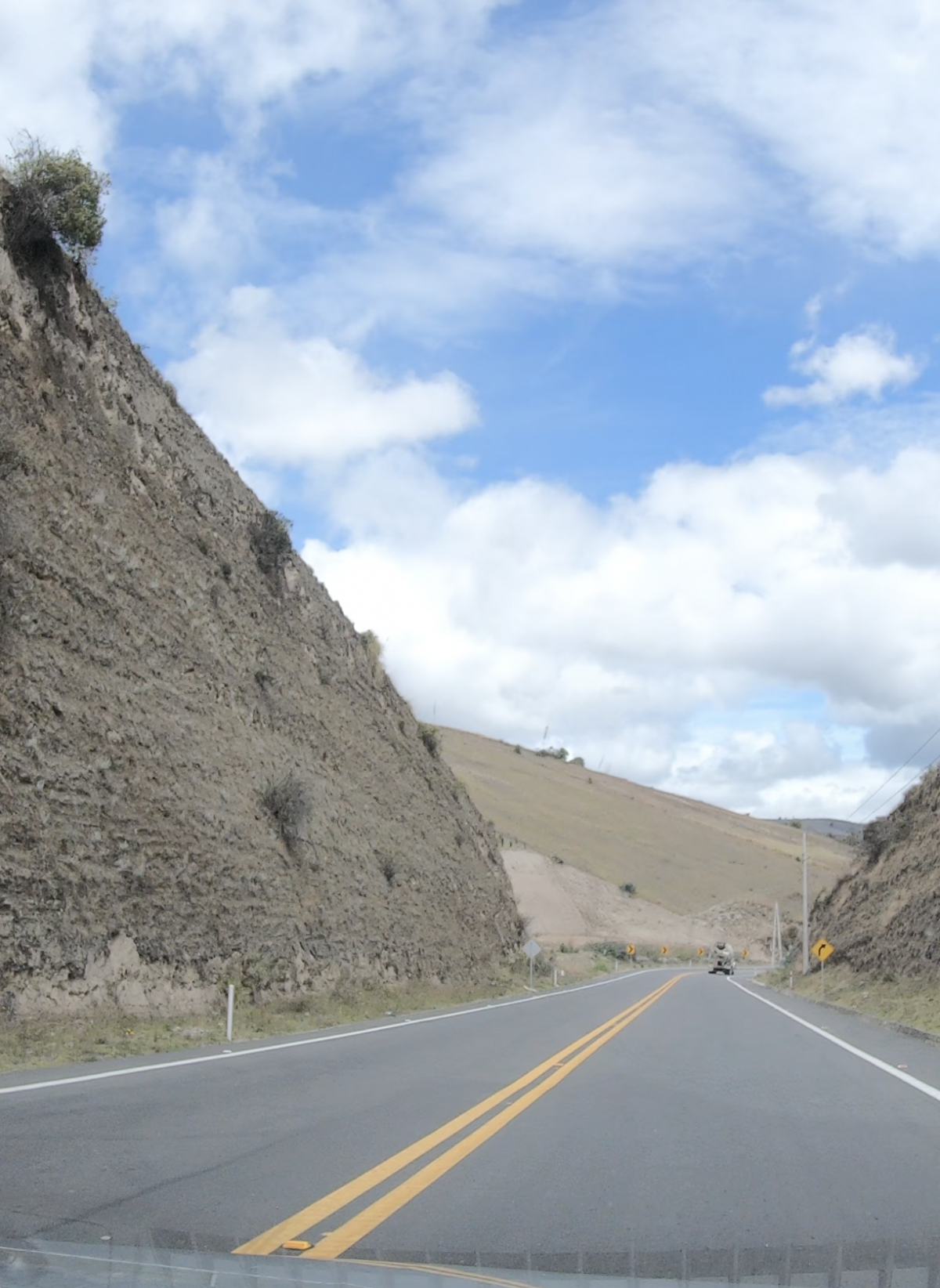
When driving, especially in a foreign country like Ecuador, it’s essential to stay prepared for anything, from courteous drivers to more aggressive ones. Driving through Ecuador’s beautiful landscapes, I kept a close eye on the behavior of other drivers—cars changing lanes abruptly, buses moving quickly, and trucks speeding by. I made sure to stay extra attentive, as we don’t want any accidents, especially while far from home.
For safety, I recommend avoiding nighttime driving. If you must drive after dark, stay calm, focus, and be mindful of Ecuador’s unique rules and driving habits. GPS apps are helpful, but rural areas can have weak signals, so it’s wise to learn a few basic Spanish phrases in case you need to ask locals for directions.
Since police checkpoints and roadblocks are common, always carry your registration documents, a valid driver’s license, and passport. Being prepared ensures a smoother trip and helps keep your vacation stress-free.
Is It Worth Driving In Ecuador?
Adapting to the local driving style is essential, and researching the rules ahead of time makes a big difference. Book a rental car in advance, preferably through Expedia for clear confirmations. Enterprise offers unlimited kilometers, giving more freedom to explore. Wherever you drive, keeping focus and staying calm is key.
Wherever you’re driving, keeping your focus and staying calm is key. A positive mindset goes a long way, especially when navigating foreign roads.
Driving in Ecuador, with its mix of aggressive drivers, can be challenging, but it was an incredible experience for me. Adapting to the local driving style was essential, and I found that following Ecuador’s rules and doing some research ahead of time made a big difference.
If you’re renting a car, book in advance for peace of mind. I highly recommend using Expedia rather than booking directly, as it provides clear confirmations. For unlimited kilometers, Enterprise is a great option, giving you more freedom to explore.
Planning trip to Ecuador?
My wife and I spent 15 days traveling from the northern part of Ecuador to the south, 11 of them in a rental car, visiting amazing cities like Quito, Otavalo, Baños, Cuenca, and Guayaquil. Along the way, we explored iconic places such as Cotopaxi National Park, Quilotoa Lake, and many more breathtaking destinations.
Not many blogs cover traveling in Ecuador in detail, so I spent nearly three weeks creating this comprehensive Ecuador travel guide based on our trip. It’s packed with everything you need to know, and honestly, I consider it the best free travel guide about Ecuador out there.
If you’re planning a trip to Ecuador, don’t forget to use my link for discounted hotel prices through Booking.com. It’s a great way to support my blog while saving money on your accommodations!
Questions About Driving In Ecuador
Is it safe to rent a car and drive in Ecuador?
Driving in Ecuador is manageable but requires care. Roads can be unpredictable, especially at night, with some unpaved routes in places like Cotopaxi. Local drivers may pass aggressively around curves, ignore traffic lights, and rarely signal. Defensive driving, staying attentive, and avoiding nighttime driving are recommended.
Can Americans drive in Ecuador?
Yes. The US State Department says a US driver's license can be used for up to 90 days. The US Embassy adds that the license must be valid and carried with your passport; an international driving permit is not required by law, though some rental companies ask for one.
Can you drive to Ecuador from the United States?
Not in one road trip. The Pan-American Highway is broken by the Darien Gap, about 100 km of roadless jungle between Panama and Colombia, so a vehicle has to be shipped by sea from Panama to Colombia. From Colombia, Ecuador is reachable by road.
What are the speed limits in Ecuador?
Urban areas 50 km/h, perimeter roads 90 km/h, open straight roads 100 km/h and curves 60 km/h for light vehicles, under the 2012 traffic regulation that is still cited in 2025 and 2026.