Ecuador Taxis: A Guide in Taking Taxis in Ecuador Like a Local

Quick Facts About Taxis In Ecuador
| Quito airport to the city | Official counter taxi, USD 25 flat to most central zones (USD 25 to 40 in total) |
|---|---|
| Public bus from the airport | About USD 2 |
| Quito Metro | USD 0.45 general fare |
| Ride-hailing | Uber and inDrive work in practice |
| Emergency | 911 (ECU 911) |
Our Take On Taxis In Ecuador
Taxis were our go-to mode of transportation in Ecuador, and they were surprisingly budget-friendly. We learned to look for official yellow taxis with a license number, negotiate fares before the ride since not all taxis are metered, and prefer radio taxis for a set price. Apps like Uber helped us in larger cities, and negotiating with drivers before setting off from the airport saved us from overpaying.
Taxis were our go-to mode of transportation while traveling around Ecuador, and they were surprisingly budget-friendly. My wife and I were amazed at how far a few dollars could take us—whether we were weaving through the narrow streets of Quito or heading out to explore the outskirts of smaller towns. It was definitely one of the easiest ways to get around, but like any traveler, we quickly learned that a few simple tips could make all the difference in having a smooth, safe ride.
During our trip, we picked up a few tricks that made our taxi experiences even better, and I’d love to share those with you so you can feel more prepared for your adventure. From how to hail a cab to what to look out for, these tips will help you navigate Ecuador’s taxi system with ease.
How Do You Spot Authorized Taxis In Ecuador?
Official taxis in Ecuador are yellow and carry taxi signage, with a taxi license number displayed both inside and outside the vehicle. Unauthorized pirate taxis also circulate, so check for these signs before getting in. Taking a pirate taxi once did not lead to problems, but sticking to official taxis is the safer choice for getting around the country.
| Tip | On This Page |
|---|---|
| Authorized Taxis | Look for yellow official taxis with visible license numbers |
| Ask Locals | Locals and hotel staff help estimate fair fares |
| Negotiate Fare | Agree on fare before the ride and stay firm |
| Use Radio Taxis | Central dispatch offers set prices and accountability |
| Bring Smaller Bills | Drivers often lack change for larger denominations |
| Safety | Sit in the back seat and keep belongings close |
| Language Barrier | Write destinations down and learn simple Spanish phrases |
| Emergency Contacts | Save local authorities and embassy numbers on your phone |
| Taxi-Hailing Apps | Useful in larger cities with upfront fares and tracking |
| Taking a Taxi to and From Quito Airport | Official fares posted outside Mariscal Sucre Airport; negotiate first |
One thing we quickly noticed during our travels in Ecuador was the number of unauthorized or pirate taxis on the streets. The safest bet is to always look for the official ones, which are easy to spot with their distinctive yellow color and taxi signage. They also have a taxi license number displayed both inside and outside the vehicle—definitely something worth keeping an eye out for.
My wife and I did try taking a pirate taxi once during our trip, and while we didn’t run into any issues, I wouldn’t recommend it. Looking back, we realized we took a bit of a risk, and it’s always better to stick to the official taxis to ensure your safety while exploring the country.
Should You Ask Locals About Taxi Fares In Ecuador?
Locals in Ecuador are happy to advise on taxi fares and routes, so ask hotel staff or people at cafés for a rough estimate of a fair price. These conversations help travelers avoid being overcharged and often lead to recommendations for alternate transportation options or lesser-known places worth exploring. It is a simple habit that makes rides smoother.
One of the things that really stood out to my wife and me during our time in Ecuador was the genuine warmth and friendliness of the locals. If you’re ever unsure about the fare or the best route to take, don’t hesitate to ask for advice. We often found ourselves chatting with hotel staff or even locals at cafés, and they were more than happy to give us a rough estimate of what a fair price should be for a taxi ride.
Engaging with the locals became one of the most enriching parts of our trip. Ecuadorians are incredibly hospitable and eager to help, and those casual conversations not only helped us avoid being overcharged but also led to great recommendations for alternate transportation options or hidden gems to explore. Some of our best moments came from tips we got from locals!
Do You Need To Negotiate Taxi Fares In Ecuador?
Not all taxis in Ecuador are metered, especially outside major cities, so agree on the fare before starting the ride. Ask locals what a typical fare to your destination should be. Some drivers may pretend not to understand an address or claim the journey is longer than expected to charge more, so stay firm on the negotiated price.
One thing we learned quickly during our time in Ecuador is that not all taxis are metered, especially when you’re outside the major cities. My wife and I found that negotiating the fare before starting the ride saved us a lot of hassle and helped us avoid any disputes later on. To get a sense of what’s fair, we’d often ask locals for an idea of the typical fare to our destination.
We also had a couple of interesting encounters with taxi drivers who pretended not to understand the address we provided. In some cases, they’d even complain that the journey was longer than expected, trying to charge us more than what we had agreed upon. Thankfully, we weren’t fooled. We stuck to the price we had negotiated from the beginning and didn’t let those small tricks get the better of us. It’s definitely a good tip to stay firm on the fare you agreed to!
Are Radio Taxis A Safer Option In Ecuador?
Radio taxis are dispatched by a central service, which adds accountability to the ride. They can be requested by calling ahead or through a taxi app. The price is set from the start, so there is no haggling and no drivers asking for extra money along the way. For reliable transportation in Ecuador, radio taxis are a dependable choice.
During our trip, my wife and I discovered that radio taxis are definitely the way to go when it comes to safer and more reliable transportation in Ecuador. These taxis are dispatched by a central service, which gives you a bit more peace of mind knowing there’s some accountability behind the ride. You can either call ahead or use a taxi app to request one, which is super convenient.
We gave radio-dispatched taxis a try, and it was such a relief not having to haggle over the fare. The price was set from the start, and we didn’t face any of the typical issues like drivers asking for extra money. It made getting around stress-free, and we could just sit back and enjoy the ride!
Why Bring Smaller Bills For Taxis In Ecuador?
Taxi drivers in Ecuador often do not have change for larger denominations, so carry smaller bills and coins before hopping into a cab. Forgetting them can mean wandering around looking for a convenience store just to break a large bill and pay the driver. It is a small preparation step that saves time and avoids unnecessary hassle during your trip.

A valuable lesson we learned during our trip to Ecuador was the importance of carrying smaller bills and coins for taxi fares. Drivers often don’t have change for larger denominations, so it’s best to be prepared.
One time, my wife and I forgot to bring small bills, and we found ourselves in a bit of a scramble. We ended up wandering around looking for a convenience store just so we could break a large bill and pay the driver. It was a hassle and definitely a waste of time, so I’d recommend making sure you have smaller bills and coins ready before hopping into a taxi. It’s a simple step that will save you a lot of trouble!
How Can You Stay Safe In Taxis In Ecuador?
Sit in the back seat, which is particularly important when traveling solo, as it gives extra security and control. Keep belongings close and avoid flashing valuable items, especially in unfamiliar areas. Ecuador felt generally safe during the trip, but these simple precautions make taxi rides more comfortable and help travelers stay cautious without taking away from the journey.
Ecuador felt generally safe during our trip, but my wife and I still made sure to take a few precautions, especially when taking taxis. One tip that served us well was to always sit in the back seat—this is particularly important if you’re traveling solo. It just gives you a bit of extra security and control over your situation.
We also kept our belongings close and made sure not to flash any valuable items. Even though we didn’t experience any issues, it felt better to be cautious, especially in unfamiliar areas. It’s a simple way to stay safe while still enjoying the journey!
How Do You Handle The Language Barrier With Ecuadorian Taxi Drivers?
If Spanish is not your strong point, have destinations written down or saved on your phone in digital format so drivers know exactly where to go. Learning a few simple phrases helps too. One useful phrase is "Con taxímetro, por favor," which politely asks the driver to turn on the taxi meter and helps avoid being overcharged.
Since my wife and I don’t speak fluent Spanish, we found it really helpful to have our destinations written down or saved on our phones in digital format. This made things so much easier when communicating with taxi drivers and helped ensure we were heading to the right place without any confusion.
We also picked up a few simple Spanish phrases to use with drivers. One phrase that came in handy was “Con taxímetro, por favor,” which politely asks the driver to turn on the taxi meter. It made a big difference in ensuring we weren’t overcharged and helped bridge the language gap just enough to make the ride smoother. Even learning a handful of phrases can really enhance your experience!
Which Emergency Contacts Should You Save Before Taking Taxis In Ecuador?
Save emergency contact numbers on your phone early in the trip, including local authorities and your embassy's contact details. The emergency number in Ecuador is 911 (ECU 911). The numbers may never be needed, but having them at hand means quick access to assistance if something unexpected happens. It is a small step that brings real peace of mind.
One thing my wife and I did early on during our trip to Ecuador was save emergency contact numbers on our phones. We made sure to include local authorities and our embassy’s contact details. It’s a simple precaution, but having those numbers at hand gave us peace of mind, knowing we could quickly access assistance if something unexpected came up.
Luckily, we didn’t need to use them, but it felt reassuring to know we were prepared. It’s one of those small steps that can make all the difference when traveling in a foreign country, just in case things don’t go as planned.
Do Taxi-Hailing Apps Work In Ecuador's Larger Cities?
In larger cities like Quito and Guayaquil, taxi-hailing apps are very convenient. Uber and inDrive work in practice. With a few taps on the phone, the fare appears upfront, the route can be tracked, and the driver's details are recorded, which adds security. Apps save time and effort, especially when in a rush or unwilling to haggle over prices.
| Item | Detail |
|---|---|
| General fare | USD 0.45 |
| Reduced fare (children 5 to 17 and seniors) | USD 0.22 |
| Monday to Friday | 5:30am to 11pm |
| Saturday | 7am to 11pm |
| Sunday and holidays | 7am to 10pm |
In the larger cities like Quito and Guayaquil, my wife and I discovered that taxi-hailing apps are a game-changer. We used apps like Uber, Easy Taxi, and Cabify, which made booking a taxi so much more convenient and, most importantly, safe. With just a few taps on our phones, we could see the fare upfront, track the route, and feel more secure knowing the driver’s details were recorded.
These apps saved us time and effort, especially when we were in a rush or didn’t feel like haggling over prices. If you’re visiting one of these cities, I definitely recommend using them to make getting around a breeze.
How Much Is A Taxi From Quito Airport To The City?
Mariscal Sucre Airport sits about 30 km from Quito's historic city center. An official counter taxi costs a USD 25 flat fare to most central zones, with the total ranging from USD 25 to 40 depending on the zone. Clear signage outside the airport shows detailed fares for various destinations, giving a useful reference point before negotiating with the driver.
| Option | Cost |
|---|---|
| Official counter taxi to most central zones | USD 25 |
| Official counter taxi, range depending on zone | USD 25 to 40 |
| Public bus | About USD 2 |
The old USD 8 shuttle no longer exists.
When my wife and I arrived at Mariscal Sucre Airport, we learned that the distance to Quito’s historic city center is about 30 km. The official rate for this trip is listed as USD 25, but we found that, in practice, most drivers quoted around USD 27. The fare can vary depending on the exact area you’re headed to, so it’s worth negotiating with the driver before setting off.
One helpful thing we noticed right outside the airport was clear signage showing detailed taxi fares for various destinations around the city. It made it easier to have a reference point, so we knew roughly what to expect and avoid overpaying. This little bit of preparation made the journey into Quito smooth and hassle-free.
Are Taxis A Good Way To Get Around Ecuador?
Ecuadorian taxis are an easy and affordable way to get around, covering short distances for just a few dollars. Rides offer a chance to connect with local culture through conversations with drivers and glimpses of daily life from the window. An airport bus costs about USD 2, showing how budget-friendly transport can be.
Ecuadorian taxis provide an easy and affordable way to get around, whether you’re exploring bustling cities or traveling short distances for just a few dollars. My wife and I found them to be a convenient option throughout our trip, making it simple to move from place to place without much hassle.
But taking a taxi in Ecuador isn’t just about transportation—it’s also an opportunity to connect with the local culture. From friendly conversations with drivers to observing daily life through the car windows, each ride became part of our adventure. We hope the tips and insights we’ve shared help you prepare for a smooth and enjoyable experience as you explore this beautiful country. Safe travels!

Planning trip to Ecuador?
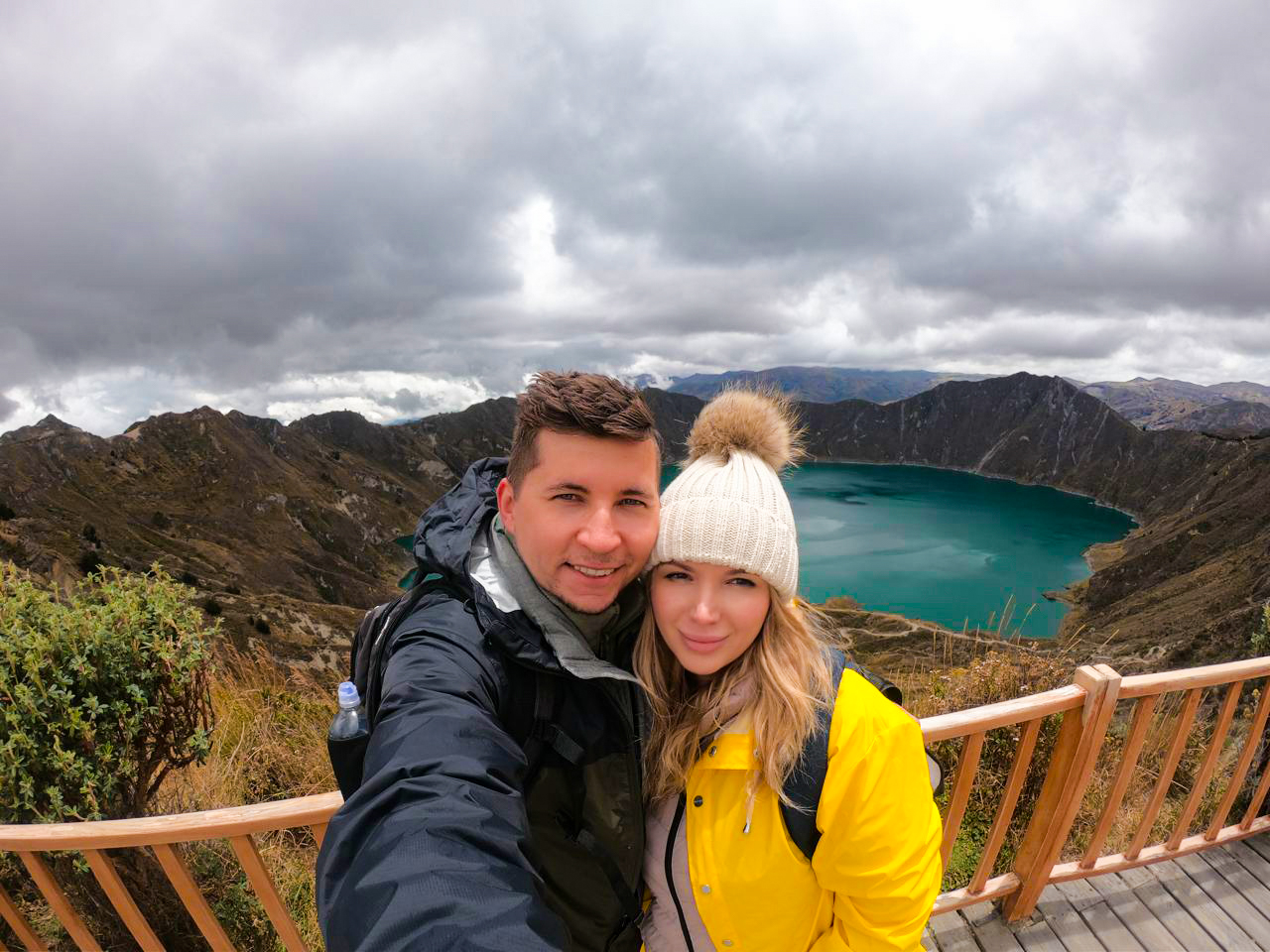
My wife and I spent 15 days traveling from the northern part of Ecuador to the south, 11 of them in a rental car, visiting amazing cities like Quito, Otavalo, Baños, Cuenca, and Guayaquil. Along the way, we explored iconic places such as Cotopaxi National Park, Quilotoa Lake, and many more breathtaking destinations.
Not many blogs cover traveling in Ecuador in detail, so I spent nearly three weeks creating this comprehensive Ecuador travel guide based on our trip. It’s packed with everything you need to know, and honestly, I consider it the best free travel guide about Ecuador out there.
If you’re planning a trip to Ecuador, don’t forget to use my link for discounted hotel prices through Booking.com. It’s a great way to support my blog while saving money on your accommodations!
Questions About Taxis In Ecuador
How much is a taxi from Quito airport to the city?
The official counter taxi costs USD 25 flat to most central zones, with fares of USD 25 to 40 depending on the zone. The public bus costs about USD 2.
Do Uber and inDrive work in Ecuador?
Ride-hailing apps work in practice in Quito, Guayaquil and Cuenca, though their legal status is unsettled; Uber has also operated in Cuenca since late 2025 under municipal limits.
How much does the Quito Metro cost?
The general fare is USD 0.45, and it runs Mon to Fri 5:30am to 11pm, Sat 7am to 11pm and Sun and holidays 7am to 10pm.
Are taxis safe in Ecuador?
Taxis in Ecuador are generally considered safe, though precautions help. Use authorized yellow taxis with a license number displayed inside and outside, or radio taxis dispatched by a central service. Sit in the back seat, keep belongings close, and avoid displaying valuables.
Who do you call if there is a problem with a taxi?
Call 911 (ECU 911) or use the ECU 911 app.
Should you negotiate a taxi fare in Ecuador?
Negotiating the fare before starting the ride is recommended, since not all taxis are metered, especially outside major cities. Asking locals about typical fares gives a reference point, and staying firm on the agreed price helps avoid disputes when drivers later claim the journey was longer.