Is Quito Safe For Tourists? A Safety Guide To Quito and How We Managed It
Quick Facts About Quito
| US State Department | Level 2 for Ecuador, including Pichincha and Quito (14 October 2025) |
|---|---|
| UK FCDO | No advice against travel to Pichincha; mugging and pickpocketing are common in the Old Town and at transport hubs |
| Homicide rate | 9 per 100,000 in 2025 (264 homicides, up from 248 in 2024) |
| Emergency number | 911 (ECU 911) |
Our Take On Quito
We spent three days in Quito, took a few precautions and enjoyed the city without any issues. Below are the safety tips that worked for us, covering night walks, buses and taxis, tap water, and the areas to be careful in.
What The Governments Say Right Now
| US State Department | Level 2, exercise increased caution, advisory issued 14 October 2025 |
|---|---|
| UK FCDO | Advises against all but essential travel to seven coastal provinces and a 20 km strip along the Colombian border; updated 16 September 2026 |
| State of emergency | A 60-day state of emergency from 15 September 2026 covers eight provinces including Pichincha and Guayas, with curfew hours from midnight to 5am in El Oro, Guayas, Los Ríos and Manabí from 17 to 30 September (as reported by the UK FCDO) |
This post will cover the essential topic of safety in Quito and outline potential risks that visitors or locals might face in the city. We’ll also share our top safety tips for exploring Quito confidently. During our three-day stay, we took a few precautionary measures and managed to enjoy the city without any issues.
What Visitors Need To Know In October 2026
- Safety: The UK FCDO says a 60-day state of emergency began on 15 September 2026 in eight provinces, including Pichincha and Guayas, with more police and soldiers on the streets.
- Safety: The UK FCDO last updated its Ecuador advice on 16 September 2026 and still advises against all but essential travel to seven coastal provinces and a 20 km strip along the Colombian border.
- Safety: The US State Department's current Ecuador advisory, Level 2 exercise increased caution, was issued on 14 October 2025.
How Safe Is Quito For Visitors?
Quito is generally considered as safe as many South American capitals with significant tourism, but pickpocketing is prevalent, so remain alert and use common sense. Some areas are best avoided. The historic center is well-policed but needs care, especially after dark. The US State Department currently advises exercising increased caution in Ecuador, including Quito.
| Source | Position |
|---|---|
| US State Department | Level 2, exercise increased caution; no Quito neighbourhoods named |
| UK FCDO | No advice against travel to Pichincha; take care in the Old Town and at transport hubs |
| State of emergency (UK FCDO) | Pichincha is one of eight provinces covered from 15 September 2026; the curfew hours apply to other provinces |
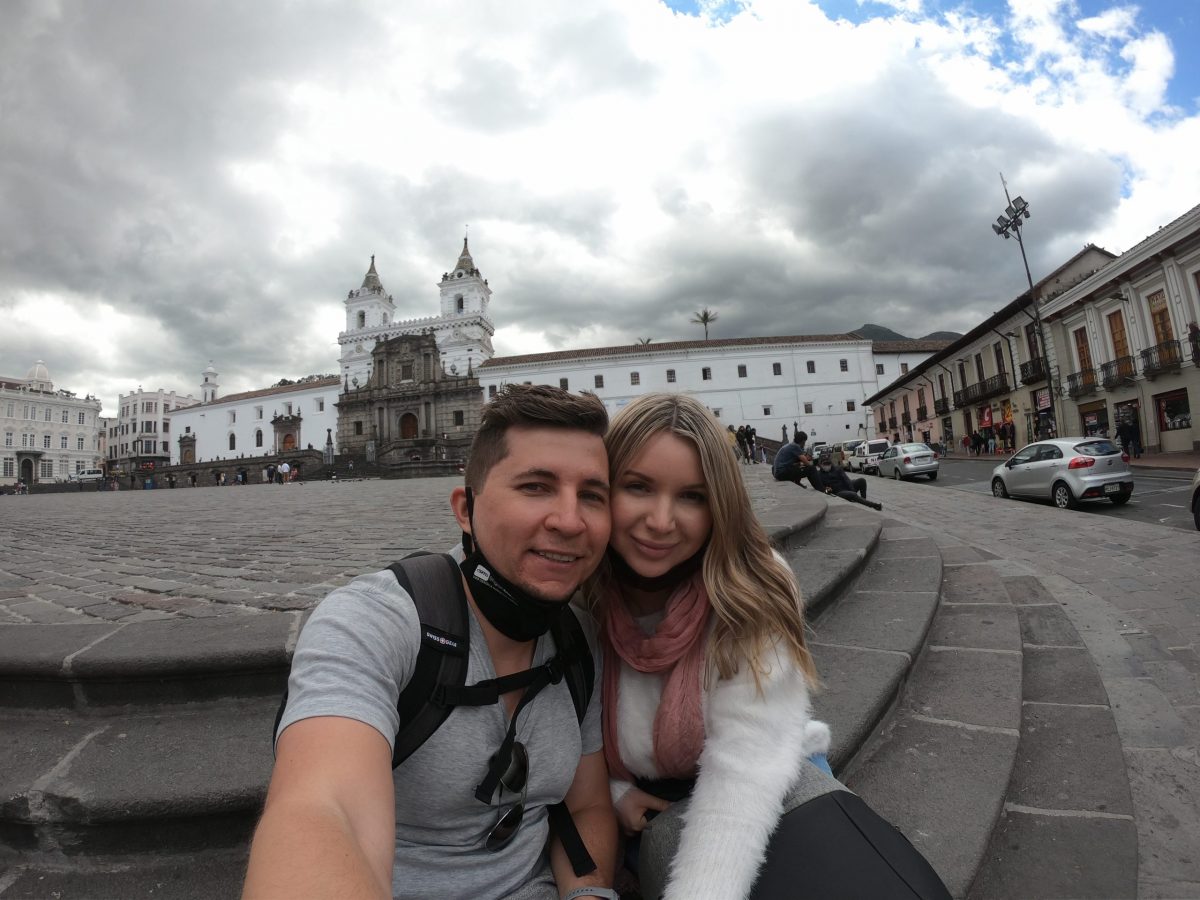
Quito is generally considered as safe as many South American capitals with significant tourism. Still, it’s essential to remain alert and practice common sense, as pickpocketing is prevalent here. Some areas are less welcoming and best avoided, so be cautious about where you go.
The historic center, popular with tourists, is well-policed but should be approached carefully, especially after dark. We stayed in an Airbnb in this area, and we experienced an attempted break-in around 3 a.m., which was unnerving.
Quito offers a solid tourism infrastructure with reliable public transportation. However, it’s worth remembering that incidents like pickpocketing, scams, and even natural events can disrupt an otherwise fantastic visit.
When booking accommodations, research thoroughly and check reviews for insights into neighborhood safety at night. Community forums or Reddit can be great resources for tips and first-hand advice from locals and past visitors.
If safety is a concern or you’re unfamiliar with the language, consider booking a guide. These affordable guides can help you fully experience the city while ensuring a smoother, safer visit.
Is Quito Safe At Night?
Quito feels riskier at night when criminal activity can increase. Avoid walking through quiet neighborhoods after dark and choose certified taxis instead. La Ronda, Republica de El Salvador and Plaza Foch are safer areas for nighttime walks. Stay near your accommodation, keep money and your phone secure, and avoid using them openly on the street.
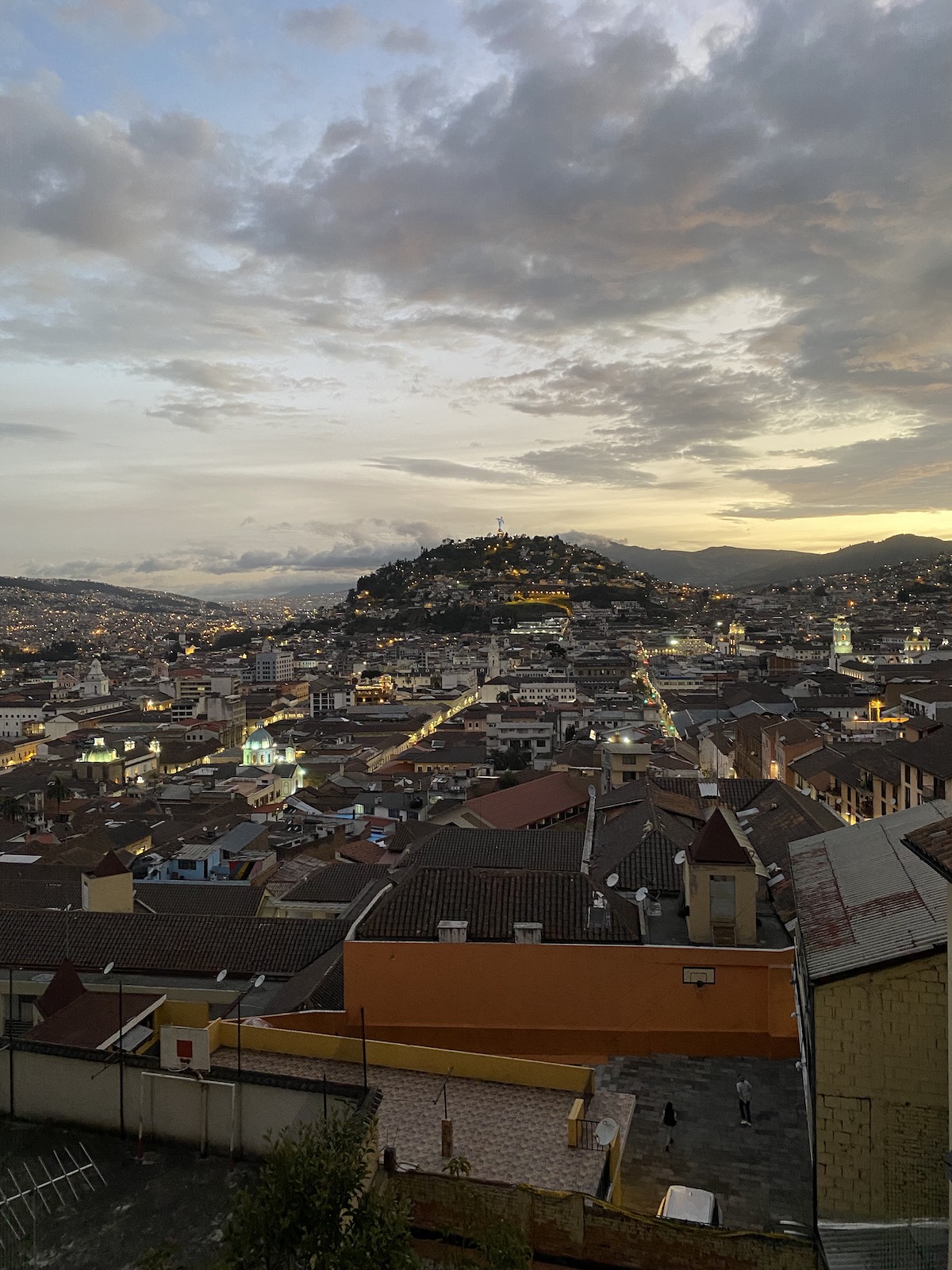
Quito, like any major city, feels riskier at night when criminal activity can increase. Walking through quiet neighborhoods after dark is best avoided; opting for certified taxis is a safer choice to steer clear of risky situations.
If you’re planning a night out, try not to wander too far from your accommodations. Safe areas for nighttime walks include La Ronda, Republica de El Salvador, and Plaza Foch. We stayed in the old town but wouldn’t recommend it for accommodations, especially after our late-night experience there.
Be mindful of your belongings; keep your money and phone secure and avoid using them openly on the street. Staying alert and cautious can go a long way in keeping your visit enjoyable and safe.
Is Transportation In Quito Safe?
Buses between Ecuador's major cities run dozens of times a day and are typically clean, spacious and affordable, but keep bags on your lap and travel during the day. Taxis in Quito are generally safe; legitimate ones have orange license plates or white plates with an orange stripe. We mainly used Uber, which takes payment through the app.
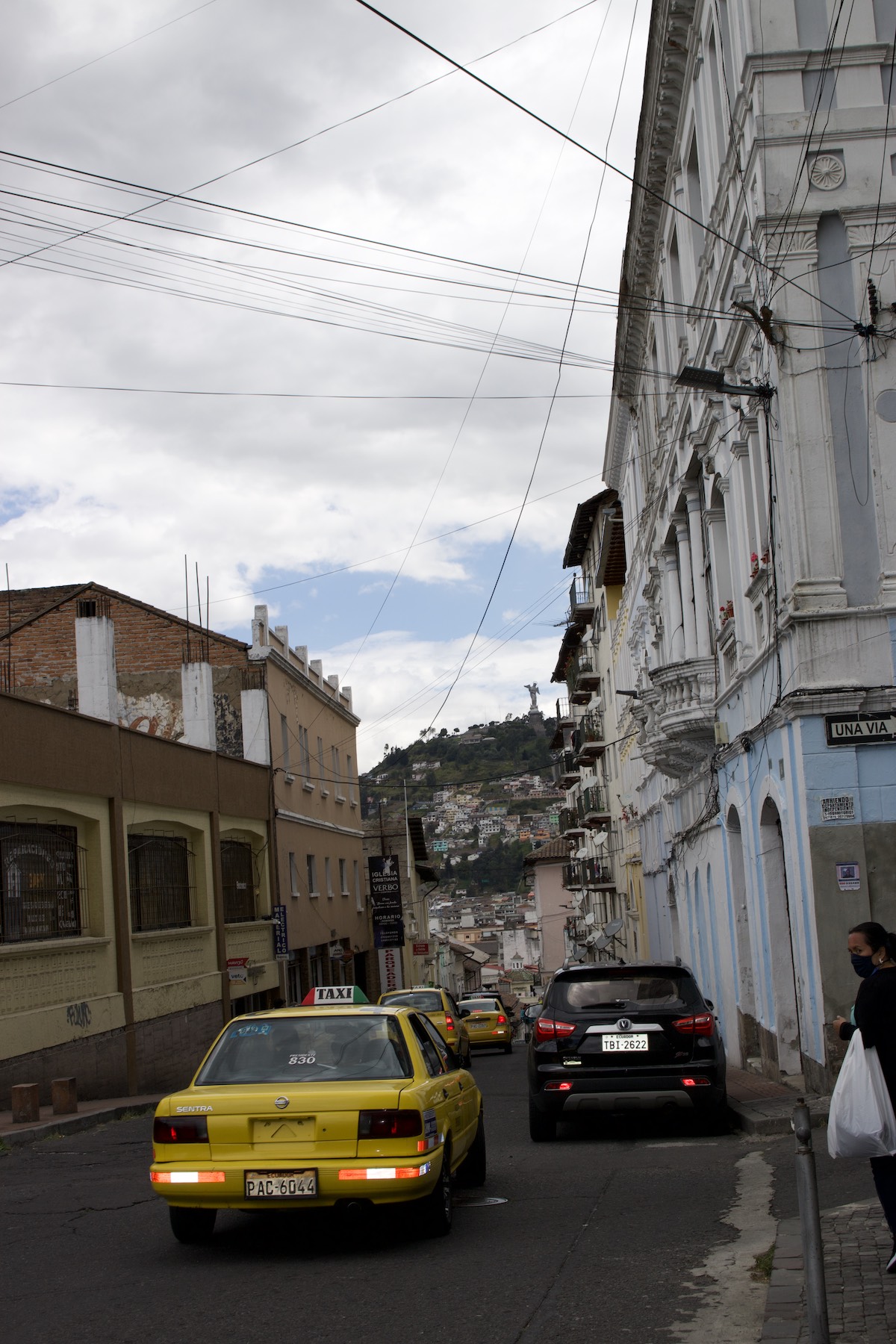
Ecuador has an excellent public transportation infrastructure, with buses going dozens of times every day between its major cities.
Are Buses in Quito Safe?
Buses can be a great way to explore natural gems like Baños, Laguna Quilotoa, and more. They’re typically clean, spacious, and affordable. However, it’s wise to be cautious since buses can be hotspots for minor thefts. Keep a close eye on your belongings, and if possible, avoid sleeping unless your items are securely fastened to you.
It’s best to avoid using the overhead racks, as they make it harder to react if someone tries to grab your belongings on their way off the bus. Similarly, placing your bag under the seat in front can put it at risk of being tampered with, so keeping it on your lap, though less comfortable, allows you to stay in control.
Traveling during the day is also a good idea, as sitting near the driver can make you feel safer and less likely to doze off. Plus, you’ll enjoy the beautiful scenery outside.
Lastly, consider spending a bit extra on a direct bus to your destination to avoid switching buses, reducing the risk of losing track of your luggage during transfers.
Are Taxis in Quito Safe?
Cabs in Quito are generally safe, but it’s crucial to avoid unlicensed taxis, which are strongly discouraged in Ecuador. Legitimate taxis are easy to identify—they have either orange license plates or white plates with an orange stripe at the top. Many official taxis are also equipped with video monitoring, which offers extra peace of mind.
For added security, we primarily used Uber. App-based services like Uber, Easy Taxi, and Cabify are widely available in Quito and most Ecuadorian cities, reducing the risk of encountering unlicensed drivers. With pre-payment on your phone, it’s a convenient and secure option.
Is It Safe To Drink Tap Water In Quito?
Tap water in Quito is technically labeled as potable, but old piping and outdated infrastructure can add contaminants before it reaches the tap. Travelers are generally advised not to drink it directly. It is fine for brushing teeth or cooking, and many locals boil it first. We stuck to bottled water during our stay.
While tap water in Quito is technically labeled as potable, it’s generally advised that travelers avoid drinking it directly. The city’s water is deemed safe at the source, but due to old piping and outdated infrastructure, it can pick up contaminants before it reaches the tap.
For peace of mind, we stuck to bottled water during our stay in Ecuador. It’s also fine to use tap water for brushing your teeth or cooking. Many locals boil their tap water to ensure it’s safe, as it helps reduce the risk of any stomach issues.
Travel tip: Plastic waste has engulfed the earth and poses a serious threat to marine life. Travel with a filter water bottle to contribute to the cause.
Is Quito Safe For Women And Solo Travelers?
Reports of assaults on women in Quito are relatively few but not entirely unheard of, and some cases involving drugging have occurred. Female travelers should stay cautious and aware of their surroundings, especially when alone. If anything feels off, head to a busy spot or find a police officer, and stick to well-lit, busy streets, especially at night.
| Contact | Details |
|---|---|
| Emergency (police, medical, fire) | 911 (ECU 911), free, 24 hours |
| US Embassy | Av. Avigiras E12-170 and Av. Eloy Alfaro, +593-2-398-5000 |
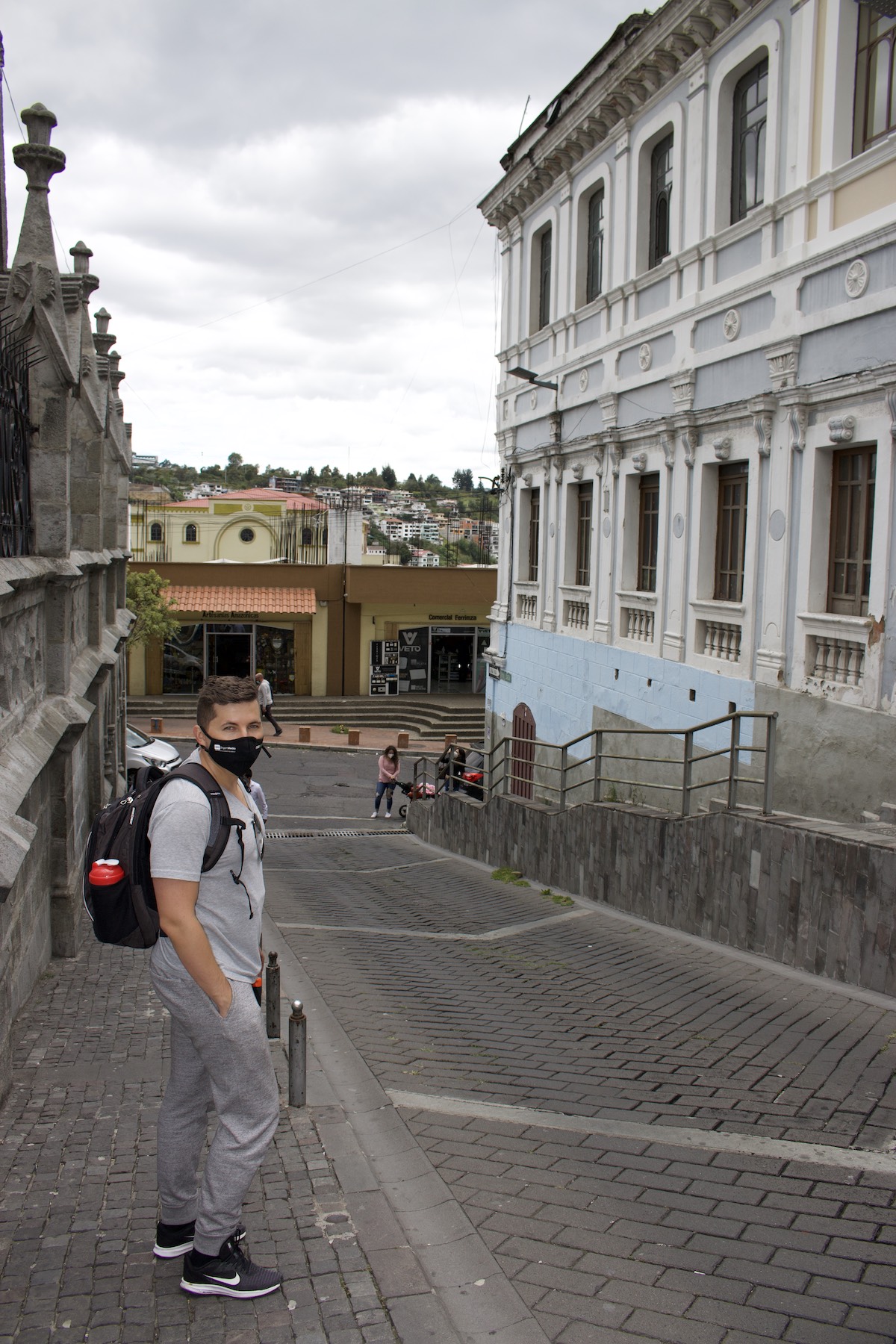
While reports of assaults on women in Quito are relatively few, it’s essential to remember they are not entirely unheard of. Female travelers should stay cautious and stay aware of their surroundings, especially when alone, as they may sometimes draw unwanted attention. If anything feels off, heading to a busy spot or finding a police officer can be helpful.
Unfortunately, the increase in tourism has brought occasional instances of attacks on female tourists, with some cases involving drugging. To stay safe, we recommend sticking to well-lit, busy streets and avoiding detours, especially in less popular areas or at night. This advice applies to all travelers, regardless of gender.
What Are The Travel Safety Tips In Quito?
Pickpockets and bag snatchers operate in prominent tourist places, including the parks La Carolina and El Ejido, the neighborhoods La Mariscal, La Floresta and La Marin, bus terminals and the old town with El Panecillo hill. Keep no valuables in your bag, wear no pricey jewelry, and always ask the taxi driver to use the meter.
| Year | Intentional homicides | Rate per 100,000 |
|---|---|---|
| 2024 | 248 | Not given |
| 2025 | 264 | 9 |
Source: the Quito municipality's security office, reported by Primicias in January 2026.
In Quito, look out for the parks ‘La Carolina’ and ‘El Ejido,’ the neighborhoods of ‘La Mariscal,’ ‘La Floresta,’ and ‘La Marin,’ the bus terminals, and the old town, which includes the main plaza and ‘El Panecillo’ hill. If you want to go to El Panecillo hill, you need to take a tour or use a trustworthy mode of transportation.
Pickpockets and bag snatchers are known to operate in prominent tourist places, therefore adhere to the standard precautions of:
- Keep no valuables in your bag.
- Things should not be kept in your back pocket.
- Zip your luggage closed.
- Purchase a money belt.
- When on public transportation, keep your possessions in front of you.
- Wear no pricey jewelry or watches.
- Never take anything from a stranger, and be suspicious of too pleasant strangers.
- Avoid being overly sidetracked when taking photographs or enjoying the sights, especially in busy locations.
- Avoid wandering in dark locations, especially if you’re alone.
- Always request that the taxi driver use the meter! This is the regulation in Ecuador, and the majority of drivers will follow it. Uber accepts payments straight through the app, which is also a viable alternative.
You can also check out my video:
What Is The Verdict On Safety In Quito?
We felt Ecuador was a safe travel destination when basic personal safety rules are followed, and it is one of the most biodiverse countries in South America. Stay alert to petty crime, natural hazards and your surroundings. For travelers considering Quito's history and culture or the Galapagos Islands, we hope this article helps with planning the trip.
Ecuador is indeed a safe travel destination and one of the most biodiverse countries in South America, making it an essential place to explore. Its stunning landscapes and natural diversity alone are enough to capture any traveler’s attention.
Following basic personal safety rules is always a wise approach. Awareness is key—staying alert to petty crime, potential natural hazards, and your surroundings should help ensure a safe and enjoyable experience throughout your trip.
Once again, if you are concerned about safety, just get one of these reasonably priced tours:
If you are considering a vacation to Ecuador to see the history and culture of Quito or the natural marvels of the Galapagos Islands, we hope this article has been of use in organizing your trip.
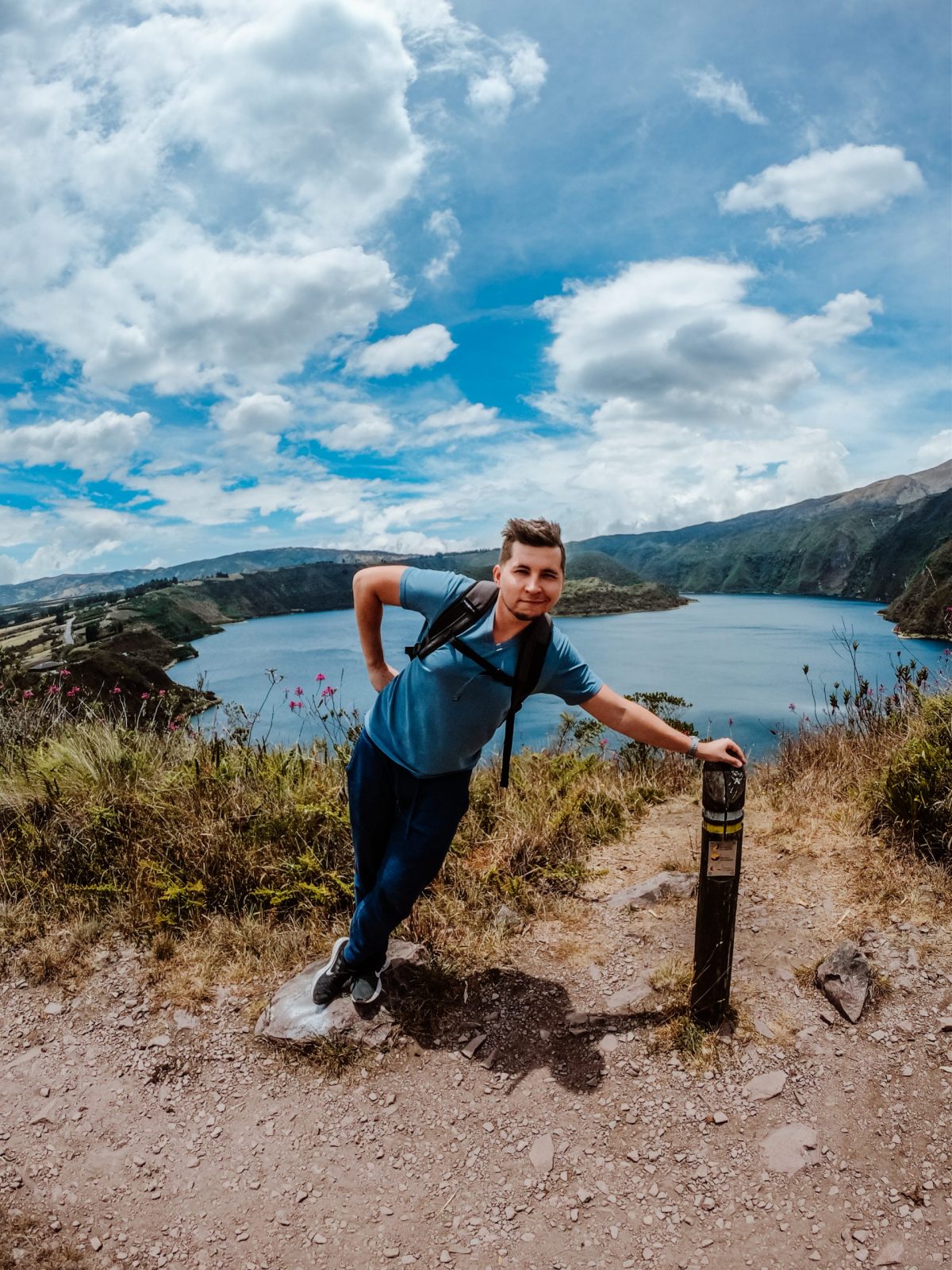
Planning trip to Ecuador?
My wife and I spent 15 days traveling from the northern part of Ecuador to the south, 11 of them in a rental car, visiting amazing cities like Quito, Otavalo, Baños, Cuenca, and Guayaquil. Along the way, we explored iconic places such as Cotopaxi National Park, Quilotoa Lake, and many more breathtaking destinations.
Not many blogs cover traveling in Ecuador in detail, so I spent nearly three weeks creating this comprehensive Ecuador travel guide based on our trip. It’s packed with everything you need to know, and honestly, I consider it the best free travel guide about Ecuador out there.
If you’re planning a trip to Ecuador, don’t forget to use my link for discounted hotel prices through Booking.com. It’s a great way to support my blog while saving money on your accommodations!
Questions About Quito
Is Quito safe for tourists right now?
The US advisory is Level 2 for Quito and Pichincha with no Quito neighbourhoods named, and the UK FCDO does not advise against travel to Pichincha but warns that mugging and pickpocketing are common in the Old Town and at transport hubs.
Is there a state of emergency in Quito?
The UK FCDO page (updated 16 September 2026) says the Ecuadorean government declared a 60-day state of emergency from 15 September 2026 for security reasons in eight provinces: Guayas, Manabí, Santa Elena, Los Ríos, El Oro, Pichincha, Esmeraldas and Santo Domingo de los Tsáchilas, plus three cantons. It brings a larger police and military presence, and curfew hours from midnight to 5am in El Oro, Guayas, Los Ríos and Manabí from 17 to 30 September.
How many homicides does Quito have?
Quito recorded 264 intentional homicides in 2025, a rate of 9 per 100,000, up from 248 in 2024.
Is Quito safe at night?
The UK FCDO advises avoiding walking alone in quiet areas or at night and avoiding road travel after dark.
Are buses in Quito safe?
The UK FCDO warns of robbery and pickpocketing on interstate transport and at bus stations, and says criminals can pose as uniformed bus inspectors in some Quito stations and insist luggage goes overhead.
What number do you call in an emergency in Quito?
Call 911 (ECU 911), free and open 24 hours.
Is it safe to drink tap water in Quito?
Tap water in Quito is technically labeled potable and safe at the source, but old piping can add contaminants. Avoid drinking it directly; use bottled water, or boiled tap water. Tap water is fine for brushing teeth or cooking. Travelers can reduce plastic waste, which threatens marine life, by using a filter water bottle instead of buying bottled water.